

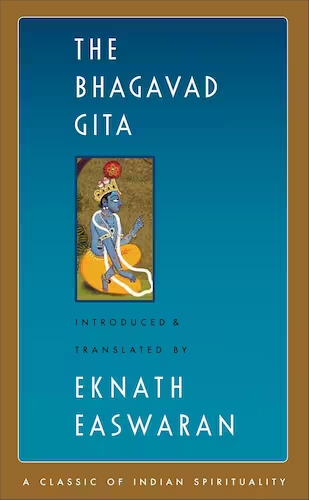
The Bhagavad Gita: A Timeless Guide to Life
Why You Should Read the Bhagavad Gita
- Timeless Relevance: The Gita addresses universal themes like duty, self-discovery, and inner peace, making it relevant across ages.
- Practical Guidance: From navigating conflicts to achieving mental clarity, it’s a toolkit for modern living.
- Personal Growth: The teachings guide you toward mastering your mind and realizing your potential.
- Spiritual Insight: It offers profound understanding of existence and the divine.
- Inclusivity: Whether you’re action-oriented, knowledge-driven, or devotion-focused, the Gita speaks to every seeker.
30 Key Lessons from the Bhagavad Gita
- The War Within: Life’s real battle is internal, a struggle between higher ideals and lower instincts.
- Dharma: True purpose lies in fulfilling one’s duty with integrity and dedication.
- Selfless Action: Act without attachment to results, for liberation lies in selflessness.
- Master the Mind: An uncontrolled mind leads to chaos, while mastery brings peace.
- The Law of Karma: Every action shapes your destiny; you are the architect of your future.
- Detachment: Liberation comes from releasing attachment to outcomes and material desires.
- The Eternal Self: The soul is eternal, unchanging, and transcends birth and death.
- Yoga as Discipline: A disciplined mind and body lead to higher awareness.
- Three Gunas: Life is influenced by tamas (inertia), rajas (activity), and sattva (harmony).
- Equanimity: Treat success and failure, pleasure and pain, as equals.
- Surrender: Devotion to the divine brings unshakable peace.
- The Power of Meditation: Meditation silences the noise within, revealing your higher self.
- Faith as Strength: Faith in a higher purpose fuels resilience in adversity.
- Wisdom Over Rituals: Spiritual knowledge is superior to blind adherence to rituals.
- The Universal Vision: Krishna reveals his cosmic form, underscoring the unity of all existence.
- Unity in Diversity: The divine resides in every being; true wisdom recognizes this unity.
- Compassion as Power: Treat all beings with kindness and empathy.
- Knowledge is Liberation: Understanding the self is the key to freedom.
- Simplicity as Strength: Embrace a simple, focused, and disciplined life.
- Overcoming Ego: The ego clouds judgment; transcend it to see truth.
- Desire and Freedom: Desires bind the soul; renouncing selfish cravings leads to liberation.
- Action vs. Inaction: True renunciation is not avoiding action but acting with purpose and detachment.
- Freedom Through Discipline: Discipline empowers you to live fearlessly.
- Inner Peace: Real peace is the result of self-awareness and devotion.
- Life as a Journey: View life as a path of growth, guided by higher principles.
- The Supreme Self: Realizing the divine within is the ultimate fulfillment.
- The Nature of Reality: Balance the material and spiritual; life is both.
- Death and Rebirth: The soul transcends physical death, shaped by karma.
- Service to Others: Selfless service is an expression of divine worship.
- Universal Love: Love all beings as manifestations of the divine.
Final Thoughts
The Bhagavad Gita is not just a book; it’s a conversation that echoes through the corridors of time, calling every seeker to their highest self. It is a compass for those navigating the storms of life, a balm for restless hearts, and a mirror reflecting the infinite potential within us.
Reading the Gita is a journey – one that challenges, enlightens, and transforms. It’s not about arriving at a destination but about walking the path with grace, courage, and wisdom. Dive into its depths, and you may find not just answers but an enduring connection to the divine essence within and around you.
 Maheshwari Tantra
 The Yoga Body by Lola Berry
 28 Days of Chair Yoga For Seniors: Build Strength, Boost Flexibility, and Increase Balance in Just 10 Minutes a Day by Ottie Oz
 KARMA-YOGA AND BHAKTI-YOGA by SWAMI VIVEKANANDA
 Yoga: Immortality and Freedom by Mircea Eliade