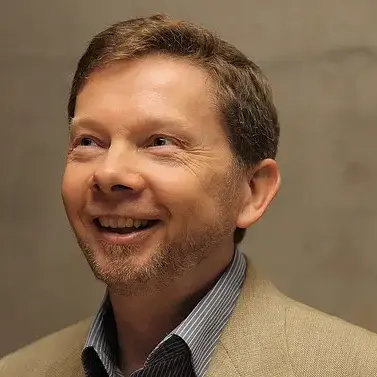
Eckhart Tolle
German Teacher
Spiritual Teacher, Author, Yogi, Philosopher.
German Teacher
Canadian
584
Views
79
Years Old
About Eckhart Tolle
Eckhart Tolle – Influenced by Yoga and Eastern Philosophy
Introduction to Eckhart Tolle
- Eckhart Tolle is a spiritual teacher and author whose work centers on awakening to present-moment awareness.
- Best known for his groundbreaking books The Power of Now (1997) and A New Earth (2005), which have been translated into numerous languages and influenced millions globally.
- His teachings focus on transcending the mind’s incessant chatter and ego-based identity to experience inner peace.
Spiritual Awakening Rooted in Eastern Thought
- Tolle experienced a profound spiritual awakening in his late twenties during a period of intense depression and anxiety.
- This experience led him to realize a state of consciousness beyond the mind—an insight closely aligned with Eastern spiritual traditions.
- He does not affiliate strictly with any religion but draws heavily on Eastern philosophies, especially yoga and Vedanta, in his teachings.
Influence of Yoga Philosophy
- Yoga, traditionally understood as a spiritual discipline, aims at uniting the individual self with universal consciousness.
- Tolle emphasizes presence—living fully in the "Now"—a core principle of yoga’s dhyana (meditation) and smriti (mindfulness).
- Like the yogic practice of observing the mind without judgment, Tolle teaches detachment from thoughts and emotions, reducing ego-driven suffering.
- The yogic goal of moksha (liberation) parallels Tolle’s message of freedom through disidentification from the ego.
Advaita Vedanta and Non-Duality
- Advaita Vedanta, a school of Hindu philosophy, stresses the non-dual nature of reality—the self (Atman) and ultimate reality (Brahman) are one.
- Tolle’s focus on the illusory nature of the ego and the importance of awakening to true being reflects this non-dual perspective.
- In The Power of Now, he explains that the ego creates a false sense of separation, and spiritual awakening dissolves this illusion.
- This aligns with Vedantic teachings that emphasize direct experience of oneness beyond conceptual thought.
Buddhist Philosophical Parallels
- Buddhist mindfulness (sati) and meditation practices are echoed throughout Tolle’s work.
- The concept of impermanence (anicca) in Buddhism resonates with Tolle’s teaching that thoughts and emotions are transient and should not be clung to.
- His advice to witness thoughts as passing phenomena without attachment is akin to Buddhist insight meditation (vipassana).
- Both traditions seek to alleviate suffering by transcending ego-centered thinking.
Key Books by Eckhart Tolle
- The Power of Now (1997): Focuses on living fully in the present moment as a path to spiritual enlightenment and freedom from suffering.
- A New Earth (2005): Explores the evolution of human consciousness and the role of ego in global dysfunction; offers practical guidance on awakening to a higher state of being.
- Stillness Speaks (2003): A collection of short teachings emphasizing the importance of inner stillness and silence.
- Practicing the Power of Now (2001): A practical guide with exercises to apply the concepts of The Power of Now in daily life.
Why Tolle’s Teachings Resonate Today
- Modern life is often characterized by stress, distraction, and a fragmented sense of self.
- Tolle offers a simple but profound antidote—cultivating awareness of the present moment, which reduces anxiety and fosters peace.
- His blending of timeless Eastern wisdom with accessible language makes spiritual concepts practical for a global audience.
- He encourages self-inquiry and mindfulness practices that can be integrated into everyday life regardless of religious or cultural background.
Impact on Contemporary Spirituality
- Eckhart Tolle’s work has contributed significantly to the global mindfulness movement.
- His teachings have influenced countless spiritual seekers, therapists, and even corporate leaders looking to cultivate presence and emotional intelligence.
- By bridging Eastern philosophy with Western psychology, Tolle continues to inspire a new generation toward awakening and conscious living.
Profile Information
Born: Feb 16, 1948
in Lünen, North Rhine-Westphalia, Germany
in Lünen, North Rhine-Westphalia, Germany
Nationality:
Canadian
Profession:
German Teacher
Top profiles
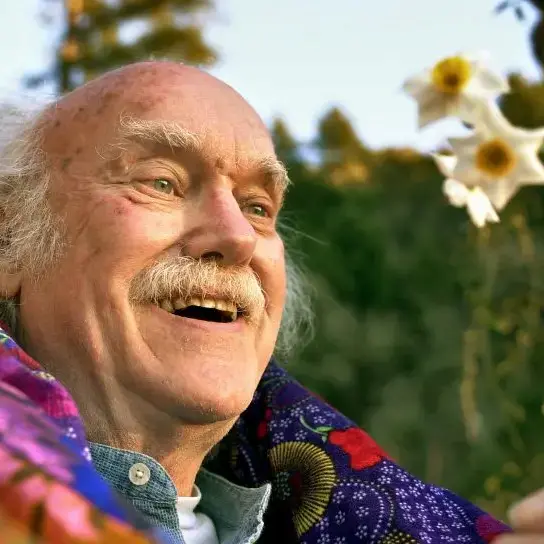
Ram Dass
Professor
Psychologist, Professor, Spiritual Teacher, Author, Lecturer

Jessamyn Stanley
Yoga Teacher
Yogi, Author, Advocate, Influencer
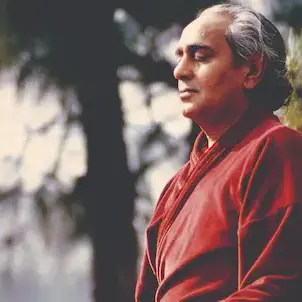
Swami Rama
Yoga Teacher
Yoga Teacher, Author
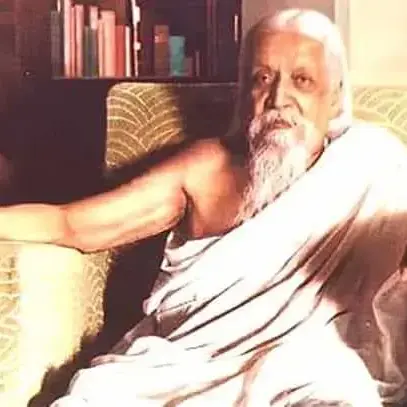
Sri Aurobindo
Indian yogi
Indian yogi, maharishi, and Indian nationalist.
Richard Freeman
Yoga Teacher
Yoga Teacher, Author
Indra Devi
Yoga Teacher
Yoga Teacher, First Lady of Yoga