

Yoga Poses for Flexibility and Strength: Build a Balanced, Strong Body

In today’s fast-paced world, more people are turning to yoga not just for mindfulness but for physical health. If you're looking to build a body that’s both limber and strong, yoga offers the perfect balance. This guide to yoga poses for flexibility and strength is designed to help you cultivate a functional body—one that’s resilient, agile, and balanced.
Whether you're a beginner or seasoned yogi, combining flexibility and strength ensures that your practice supports longevity, muscle tone, and injury prevention.
Why Combine Flexibility and Strength in Yoga?
Most people view yoga as either a stretching workout or a relaxing flow. But in reality, the best yoga practices build strength and flexibility simultaneously. The deeper goal is to create functional movement—the ability to move with ease, control, and range.
Key Benefits:
- Improved Posture and Alignment
- Increased Joint Mobility
- Balanced Muscle Development
- Reduced Risk of Injury
- Enhanced Athletic Performance
Top 10 Yoga Poses That Build Flexibility and Strength
Here’s a curated list of yoga poses that develop both flexibility and muscular strength, targeting major muscle groups while enhancing range of motion.
1. Downward Facing Dog (Adho Mukha Svanasana)
A foundational pose in most yoga practices, Downward Dog strengthens the arms, shoulders, and core while deeply stretching the hamstrings, calves, and spine.
Key benefits:
- Builds upper body strength
- Enhances posterior chain flexibility
- Improves circulation and posture

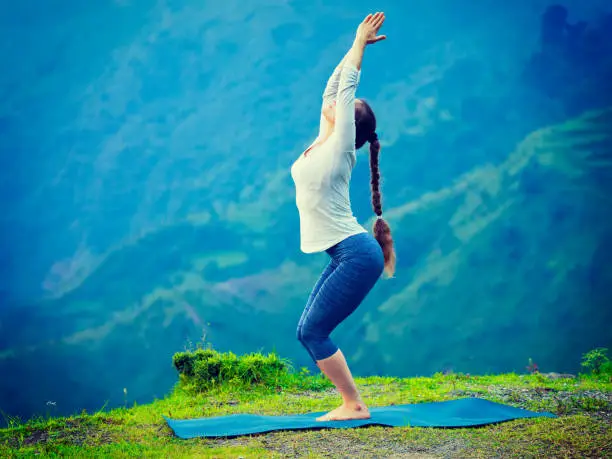
2. Chair Pose (Utkatasana)
Chair Pose is a powerful isometric posture that targets the quadriceps, glutes, and calves while challenging core engagement and hip flexibility.
Key benefits:
- Builds lower body endurance
- Strengthens core stability
- Opens hips and chest
3. Low Lunge (Anjaneyasana)
This dynamic pose stretches the hip flexors, quads, and groin while requiring balance and leg engagement.
Key benefits:
- Improves hip mobility
- Strengthens glutes and hamstrings
- Opens chest and shoulders

4. Warrior II (Virabhadrasana II)
Warrior II builds strength in the legs and core while enhancing stability and endurance. The wide stance also provides a deep inner thigh stretch.
Key benefits:
- Enhances lower body power
- Improves stamina and focus
- Opens hips and chest

5. Bridge Pose (Setu Bandhasana)
Bridge is an excellent pose to work on spinal flexibility and glute activation. It also stretches the front body while strengthening the back body.
Key benefits:
- Strengthens glutes and hamstrings
- Stretches hip flexors and spine
- Improves pelvic control

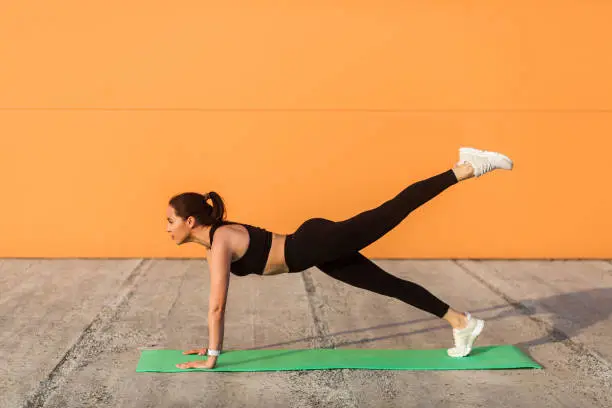
6. Plank Pose (Phalakasana)
One of the best yoga poses for full-body strength, Plank challenges the core, arms, shoulders, and legs simultaneously.
Key benefits:
- Core and upper body strengthening
- Improves wrist and shoulder stability
- Enhances muscular endurance
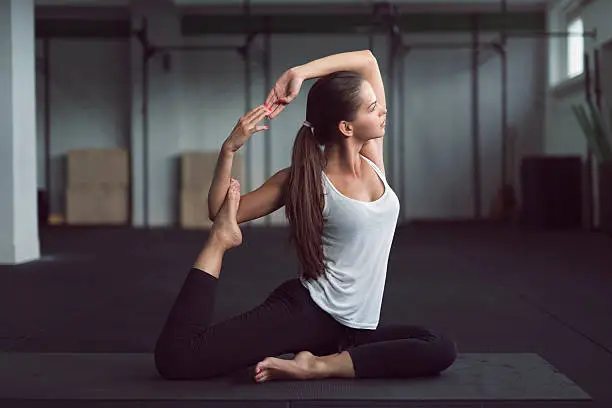
7. Pigeon Pose (Eka Pada Rajakapotasana)
A deep hip opener that also helps build strength in the glutes and thighs when held actively.
Key benefits:
- Deep hip and glute stretch
- Improves hip and lower back flexibility
- Develops body awareness and breath control
8. Boat Pose (Navasana)
This core-dominant pose strengthens the abdominals, hip flexors, and spine while also testing your balance and mental focus.
Key benefits:
- Builds core stability
- Enhances posture and spinal alignment
- Improves balance

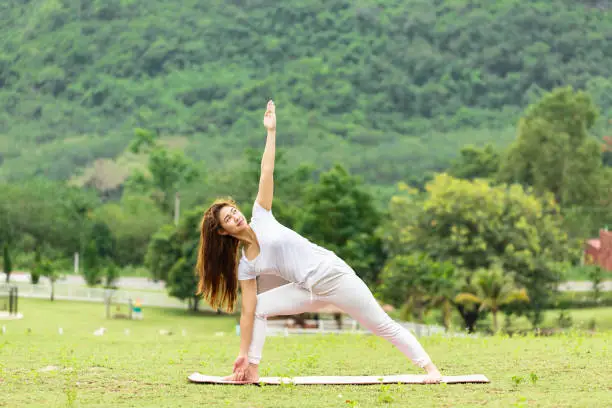
9. Triangle Pose (Trikonasana)
Triangle pose is a multi-dimensional posture that stretches the hamstrings and hips while engaging the legs, core, and shoulders.
Key benefits:
- Lengthens the spine and hamstrings
- Builds leg and core strength
- Improves balance and concentration
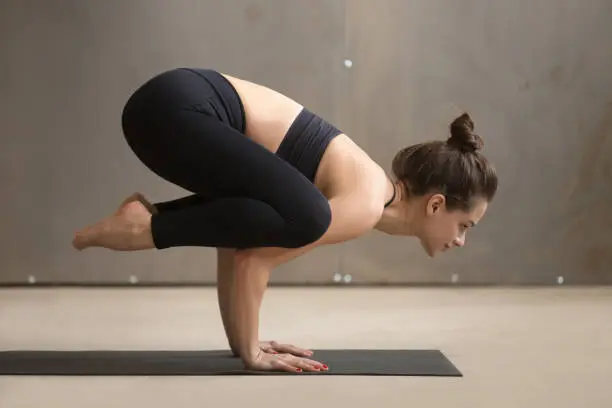
10. Crow Pose (Bakasana)
An advanced arm balance that requires significant core strength, wrist stability, and hip mobility.
Key benefits:
- Builds upper body and arm strength
- Strengthens abdominal muscles
- Improves balance and focus
How to Build a Balanced Yoga Sequence for Flexibility and Strength
To get the most out of your practice, include a mix of static holds, dynamic movements, and breath-coordinated flows. Here's a 30-minute sample sequence:
Warm-Up (5–7 minutes)
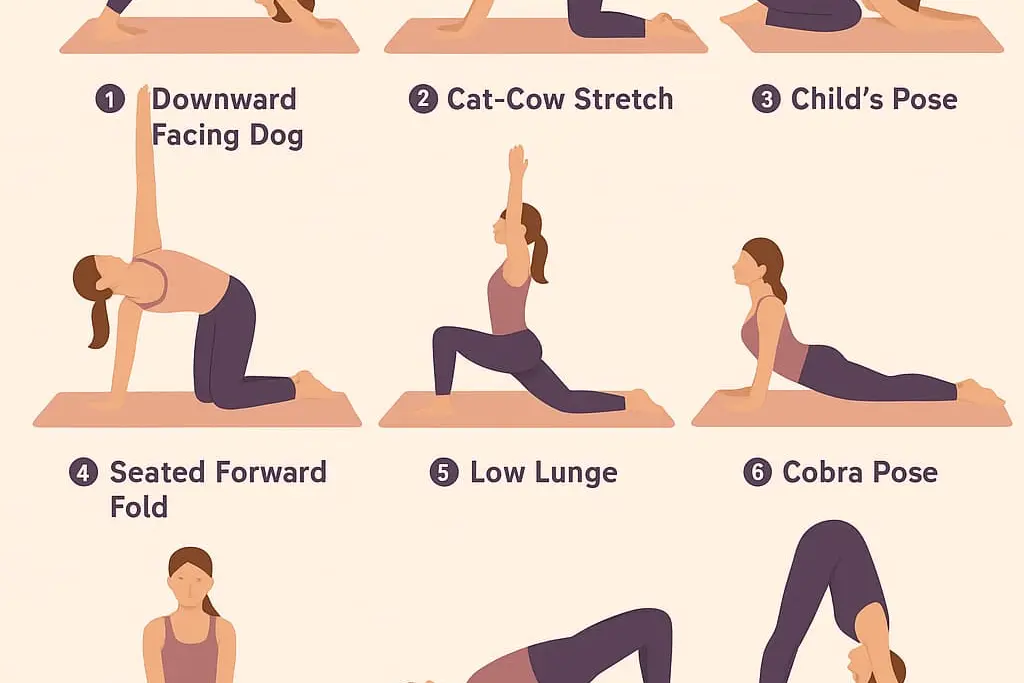
- Cat-Cow (Spinal Flexibility)
- Child’s Pose
- Downward Dog
Flow Sequence (15 minutes)
- Low Lunge → Warrior II → Triangle Pose
- Chair Pose → Forward Fold → Plank
- Crow Pose (optional) → Boat Pose → Bridge Pose
Cool Down (5–10 minutes)
- Pigeon Pose (both sides)
- Reclined Twist
- Savasana
Tip: Hold each pose for 30 seconds to 1 minute and focus on steady breathing.
Strength-Building Tips for Your Yoga Practice
- Engage Muscles Consciously: Always activate the muscles in each posture, even in passive-looking poses like Triangle.
- Use Props: Blocks, straps, and bolsters can help maintain proper alignment while building strength gradually.
- Practice Mindful Repetition: Repeating poses like Plank or Chair builds muscular endurance.
- Stay Consistent: Aim for 3–5 sessions per week for noticeable progress in both flexibility and strength.
Flexibility Myths in Yoga
“I can’t do yoga—I’m not flexible!”
Flexibility is a result of yoga, not a prerequisite. In fact, combining flexibility with strength is what makes yoga such a sustainable, life-long practice. You don’t need to touch your toes to get started. You just need a mat and a commitment to show up.
Who Should Practice Yoga for Flexibility and Strength?
This approach benefits:
- Beginners looking to improve mobility without lifting weights
- Athletes wanting to increase range of motion and prevent injuries
- Older adults aiming to maintain independence and functional movement
- Desk workers struggling with stiffness and posture issues
Final Thoughts: The Power of Balance in Yoga
A yoga practice that balances flexibility and strength creates a resilient, adaptable body. Rather than focusing solely on bending deeper or building muscle, seek to unite the two for a more functional and empowering experience.
Whether you're practicing power yoga for strength or a gentle flow for mobility, every breath, every pose, brings you closer to balance. Stay consistent, listen to your body, and most importantly—enjoy the journey.
Want new practices by email?
We email now and then when we publish a new routine, practice or guide. No spam, unsubscribe any time.
Join the YogaMag newsletterFrequently Asked Questions
Popular posts
Related posts




No comments yet. Be the first to comment!