Yoga Styles

Vinyasa Meaning in Yoga, and How to Start

Vinyasa is a Sanskrit word, usually translated as placing in a special way. In yoga it links movement with breath. Try a free 15-minute timed flow.

Published: April 5, 2025 Updated: October 26, 2026

What does vinyasa mean?

Vinyasa (विन्यास, vinyāsa) is a Sanskrit word. Yoga teaching sites usually split it into vi, "in a special way", and nyasa, "to place", and translate it as placing or arranging something in a special way. The dictionary that Wikipedia cites glosses it differently, as "movement, position (of limbs)", so the exact roots are explained in more than one way.

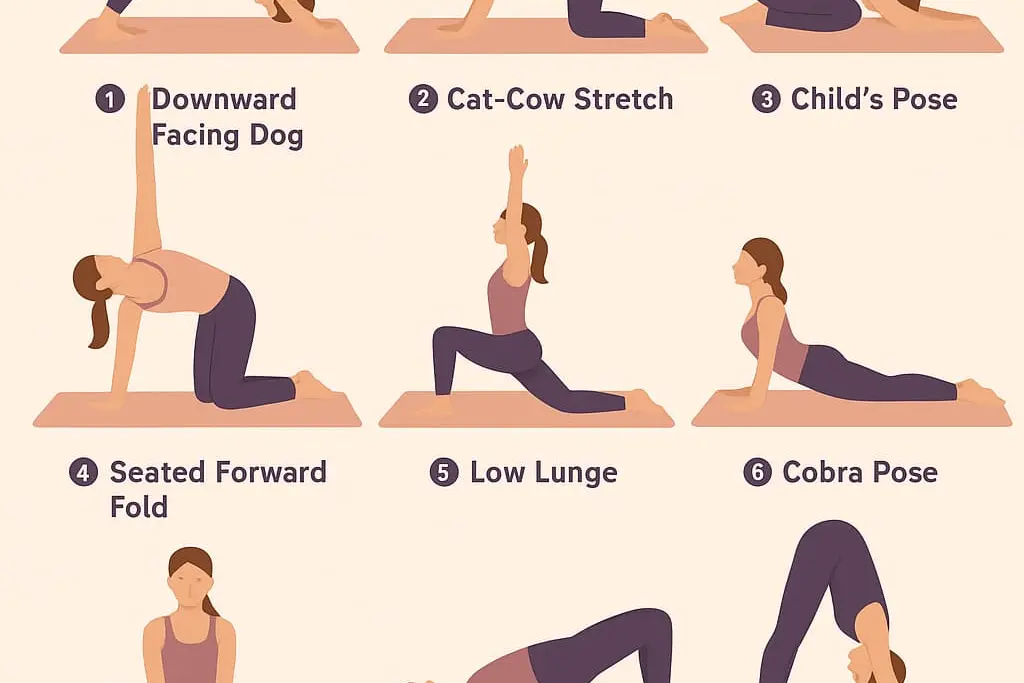
In yoga today the word is used in two ways. First, it names a flowing style of class where movement is linked to the breath. Second, a vinyasa is a particular set of linking moves between poses: Plank, Chaturanga, Upward-Facing Dog and Downward-Facing Dog, with a breath for each step. Teachers also differ on scope. Krishnamacharya used the word broadly, and Pattabhi Jois used it for the repeated linking movements between poses in Ashtanga yoga.

Taking this vinyasa is usually optional. Anyone who is tired or overheated can rest in Downward Dog or Child's Pose instead.

The Flowing Art of Vinyasa Yoga

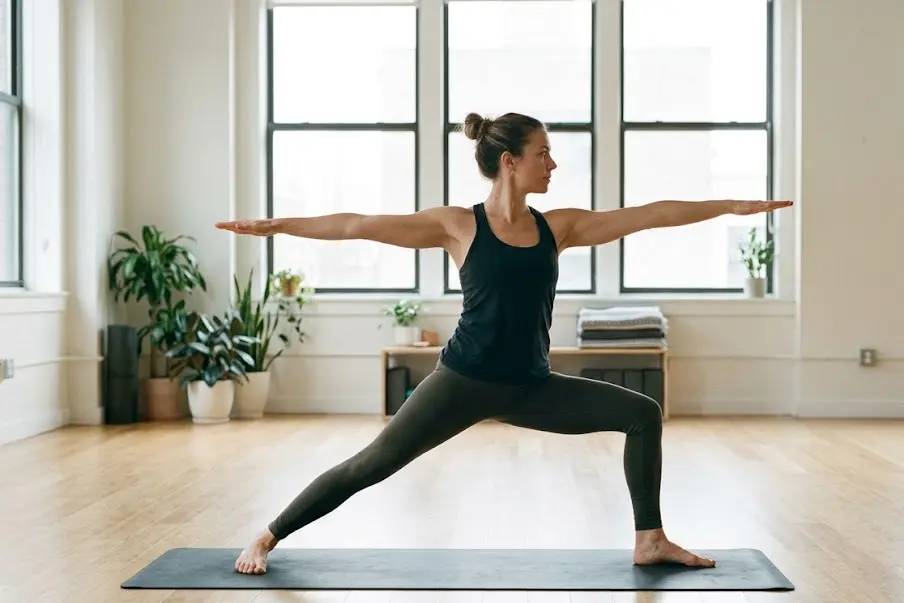
Vinyasa Yoga is a dynamic style that links movement with breath in a flowing sequence. The term "Vinyasa" means "to place in a special way," referring to the intentional sequencing of poses.

This practice offers a moving meditation that builds strength, flexibility, and mindfulness. Each movement syncs with the breath, creating a dance-like flow that cultivates both physical and mental focus.

The Breath-Movement Connection

Breath initiates each movement, creating seamless transitions between postures. This synchronization helps calm the mind and increase body awareness.

Vinyasa Yoga Flow

Key Characteristics

  • Breath-synchronized movement
  • Creative sequencing
  • Sun Salutations
  • Smooth transitions

The Four Pillars of Vinyasa Yoga

Breath

Ujjayi breath links movement and creates internal heat.

Movement

Smooth transitions between poses in a flowing sequence.

Focus

Steady gaze points improve concentration and balance.

Intention

Personal intention deepens your practice.

Benefits of Vinyasa Yoga

Physical Health

  • Cardiovascular health
  • Strength and endurance
  • Flexibility and balance

Mental Well-being

  • Reduces stress
  • Enhances focus
  • Promotes better sleep

Spiritual Growth

  • Mind-body connection
  • Self-awareness
  • Inner peace

Getting Started

For Beginners

  • Start with beginner classes
  • Focus on alignment
  • Use props as needed

What You'll Need

  • Comfortable clothing
  • Yoga mat
  • Water bottle

Practice Tips

Stay Hydrated

Drink water before and after practice.

Mindful Eating

Practice 2-3 hours after eating.

Listen to Your Body

Modify poses as needed.

Related Articles

A 15-minute routine to try at home

A flowing sequence with Sun Salutation A, linked to the breath, with a timer.

Open: 15-Minute Energizing Morning Flow

Other lengths: find a routine.

Want to loosen up? Yoga for flexibility: 15 poses by body area and two routines.