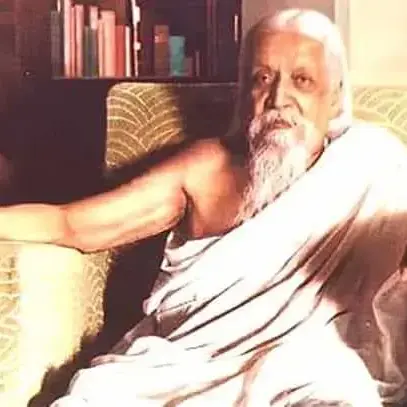
Sri Aurobindo
Indian yogi
Indian yogi, maharishi, and Indian nationalist.
About Sri Aurobindo
Sri Aurobindo: The Revolutionary Yogi Who Redefined Spiritual Evolution
In the pantheon of modern Indian thinkers, few figures shine as luminously as Sri Aurobindo. Philosopher, poet, freedom fighter, and yogi — he was a man who moved seamlessly between the political and the spiritual, the worldly and the transcendental. His life was not merely a journey of personal enlightenment, but a bold reimagining of humanity’s potential.
A Life Rooted in Revolution and Renaissance
Born in 1872 in Calcutta, Sri Aurobindo (born Aurobindo Ghose) was sent to England at the age of seven for his education. Immersed in Western classics, he mastered Latin, Greek, and European literature, but his soul yearned for something deeper. On returning to India, he joined the independence movement and quickly became one of its most articulate and radical voices. His writings in the newspaper Bande Mataram called for complete independence from British rule—an idea far ahead of its time.
Yet, at the height of his political career, something shifted. A profound spiritual experience during his imprisonment in 1908 catalyzed his withdrawal from active politics. He moved to Pondicherry (then under French rule), where he would spend the next several decades in spiritual pursuit.
Integral Yoga: A New Path for Humanity
Sri Aurobindo’s spiritual teachings centered on what he called Integral Yoga. Unlike traditional paths that emphasized renunciation of the world, Sri Aurobindo proposed a dynamic, inclusive approach: not escape from the material world, but its transformation.
He believed that human evolution was not complete — that consciousness itself was evolving toward a divine realization on Earth. The goal was not just personal liberation (moksha), but the manifestation of a divine life in the world.
This radical idea — that the divine can express itself in matter, in human life, and in society — set him apart from earlier spiritual thinkers. He envisioned the rise of a new species: the supramental being, capable of embodying divine consciousness in daily life.
The Mother and the Ashram
In 1914, Sri Aurobindo was joined by Mirra Alfassa, a French spiritual collaborator who would later be known as The Mother. Together, they laid the foundation of the Sri Aurobindo Ashram in Pondicherry, a unique spiritual community dedicated to the practice of Integral Yoga.
The Mother would continue his work after his passing in 1950, and in 1968 she founded Auroville, an experimental township aimed at realizing human unity.
Legacy and Influence
Sri Aurobindo’s writings — including The Life Divine, Savitri, and The Synthesis of Yoga — are now considered modern classics of spiritual literature. His vision inspired countless seekers, philosophers, and even politicians who sought a more holistic path to personal and societal transformation.
In 2022, on the 150th anniversary of his birth, the Government of India commemorated Sri Aurobindo’s life, signaling the enduring relevance of his message in the 21st century.
Major Books by Sri Aurobindo
- The Life Divine - Explores the philosophy of spiritual evolution and the nature of reality.
- Savitri: A Legend and a Symbol - An epic poetic work based on the Mahabharata, embodying his spiritual vision.
- The Synthesis of Yoga - A detailed guide to Integral Yoga, combining various paths of yoga into one.
- Essays on the Gita - Interpretations and commentary on the Bhagavad Gita from Sri Aurobindo’s perspective.
- The Human Cycle - Discusses social and political evolution and the future of humanity.
- The Ideal of Human Unity - A treatise on the potential for global unity and harmony.
- The Foundations of Indian Culture - An exploration of the spiritual and cultural roots of India.
- Record of Yoga - A collection of Sri Aurobindo’s personal notes and experiences of his yogic practice.
- Letters on Yoga - Selected letters written to his disciples explaining various aspects of Integral Yoga.
- Thoughts and Aphorisms - A compilation of his brief, profound reflections on life and spirituality.
Conclusion: The Eternal Relevance of a Modern Rishi
Sri Aurobindo’s life was a bridge — between East and West, politics and spirituality, matter and spirit. In a world still torn by conflict, ecological crisis, and existential angst, his vision of conscious evolution offers a powerful alternative: a world where divinity is not fled from, but realized here, in the heart of life.
In his own words:
“All life is yoga.”
And in that simple phrase lies his grand, transformative promise — not only for India, but for the whole of humanity.
Profile Information
in Calcutta, Bengal Presidency, British India (present-day Kolkata, West Bengal, India)
Top profiles
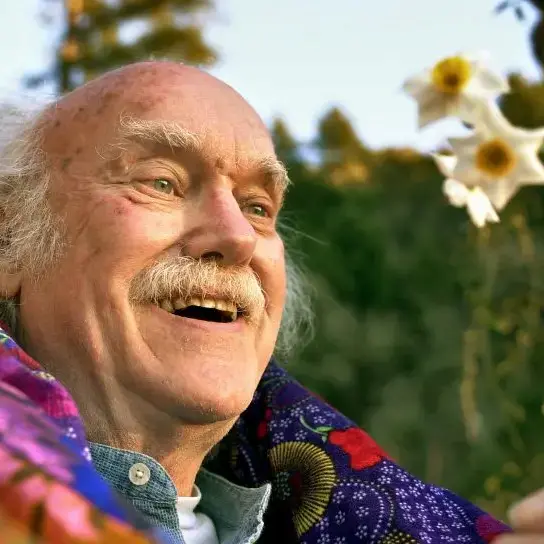
Ram Dass
Professor
Psychologist, Professor, Spiritual Teacher, Author, Lecturer

Jessamyn Stanley
Yoga Teacher
Yogi, Author, Advocate, Influencer
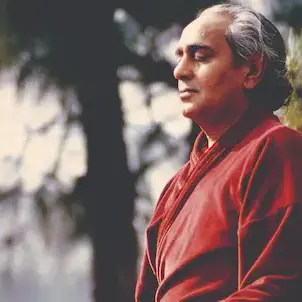
Swami Rama
Yoga Teacher
Yoga Teacher, Author
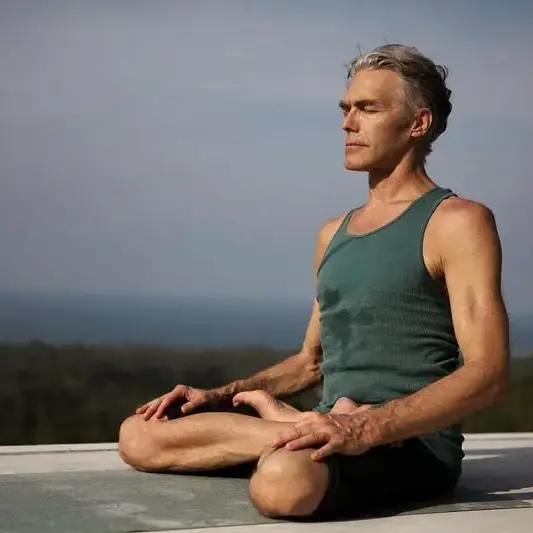
Richard Freeman
Yoga Teacher
Yoga Teacher, Author
Indra Devi
Yoga Teacher
Yoga Teacher, First Lady of Yoga
Mata Amritanandamayi
Spiritual Leader
Saint, Humanitarian, Guru