

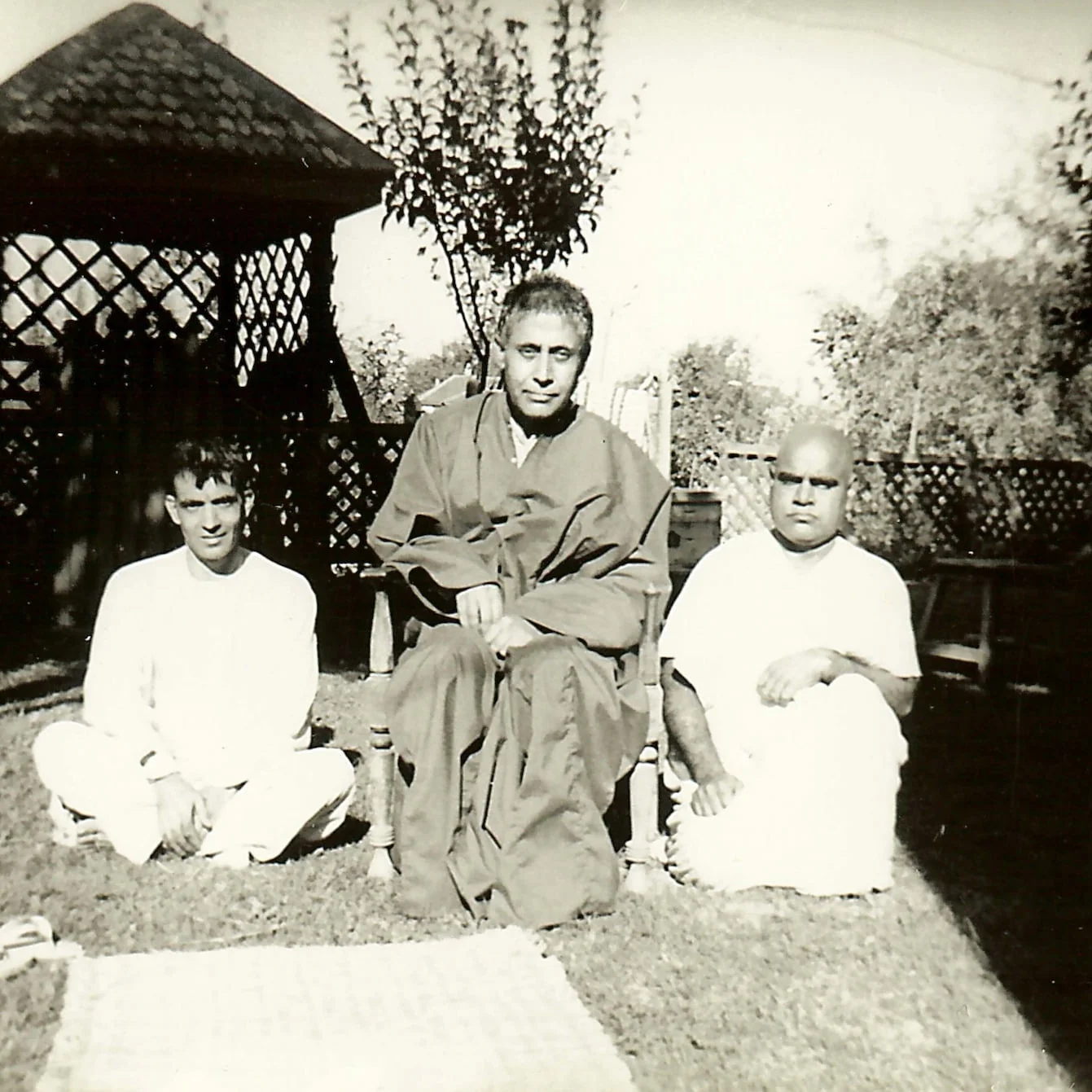
Swami Lakshmanjoo
Hindu Monk
Kashmiri Shaivism scholar, yogi, mystic, teacher
About Swami Lakshmanjoo
Swami Lakshmanjoo: The Last Master of Kashmir Shaivism
Swami Lakshmanjoo was one of the last great masters of Kashmiri Shaivism, a non-dual spiritual tradition rooted in the Trika philosophy. A mystic, scholar, and yogi, he devoted his life to preserving and transmitting this rich and ancient wisdom to the modern world.
Below is a comprehensive pointwise overview of his life, teachings, and lasting legacy.
1. Early Life and Background
- Born on May 9, 1907, in Srinagar, Kashmir, into a devout Shaiva Brahmin family.
- His birth name was Lakshman Raina.
- From a young age, he showed deep spiritual inclinations and disinterest in worldly matters.
- Raised in an environment rich with Sanskrit learning and Shaiva rituals, which laid the foundation for his future scholarship.
2. Spiritual Awakening in Childhood
- Experienced spontaneous states of Samādhi (deep meditative absorption) as a child.
- Guided by his guru Swami Mahatab Kak, he began a disciplined yogic and philosophical training.
- His intense spiritual experiences and early mastery of meditation marked him as a prodigious yogi.
3. Education in Scriptures and Philosophy
- Mastered classical texts of Trika Shaivism, such as:
- Shiva Sutras
- Spanda Karikas
- Vijnana Bhairava Tantra
- Tantraloka by Abhinavagupta
- Became proficient in Sanskrit, enabling him to study ancient texts without translations or intermediaries.
- Known for combining intellectual rigor with mystical insight, rare even among scholars.
4. Mastery of Kashmiri Shaivism
- Regarded as the last living master of the oral tradition of Kashmir Shaivism.
- Had a direct connection to the lineage of Abhinavagupta, the great 10th-century Shaiva philosopher.
- Preserved many unpublished manuscripts and oral commentaries that were at risk of being lost.
5. Life of a Yogi and Renunciate
- Though born into a family, Swami Lakshmanjoo lived a celibate and ascetic life.
- Spent long hours in solitude, contemplation, and meditation, often in a small cottage in Nishat (Srinagar).
- He kept a low profile, revealing his teachings only to serious and committed students.
6. Guru and Guide
- Took on disciples sparingly, preferring quality over quantity.
- Taught both Indian and Western students, including several prominent scholars.
- His disciples include:
- John Hughes – founder of the Lakshmanjoo Academy
- Jaideva Singh – noted translator of Kashmir Shaiva texts
7. Contribution to Trika Literature
- Provided oral commentaries on major Shaiva texts, which were recorded and transcribed.
- His teachings clarified:
- The non-dual nature of ultimate reality (Parama Shiva)
- The importance of direct experience over mere intellectual study
- The practical path of realization through awareness and inner transformation
- Revived interest in lesser-known scriptures and esoteric rituals with deep symbolic meaning.
8. Teaching Style
- Emphasized direct inner realization rather than theoretical knowledge.
- Known for explaining complex texts with simplicity, clarity, and authority.
- Taught the importance of Shaktopaya, the path of awakening through awareness and recognition of one’s divine nature.
- His teaching method combined:
- Scriptural precision
- Experiential depth
- Devotional intensity
9. The Doctrine of Recognition (Pratyabhijna)
- Central to his teaching was the Doctrine of Recognition: realizing one’s identity with universal consciousness.
- He taught that Shiva is not a distant god but our very Self, hidden under layers of ignorance and duality.
- Liberation (moksha) is not attained but recognized—as our natural, ever-present state.
10. Revival of Kashmir Shaivism in Modern Times
- Played a key role in reviving global interest in Shaiva Tantra, particularly in academic and yogic circles.
- While academic interest in Kashmir Shaivism was on the decline, his efforts:
- Preserved oral knowledge
- Inspired new translations and interpretations
- Brought experiential understanding to the West
11. International Influence
- His teachings influenced not only Indian spiritual seekers but also:
- Western mystics
- Yoga teachers
- Indologists and scholars
- The Lakshmanjoo Academy (based in the U.S.) continues his work, publishing books, translations, and recorded talks.
12. Books and Publications
- While Swami Lakshmanjoo himself did not write books, his teachings have been posthumously compiled, including:
- The Shiva Sutras: The Supreme Awakening
- The Secret Supreme
- Self-Realization in Kashmir Shaivism
- Kashmir Shaivism: The Secret Supreme
- These texts serve as introductory and advanced guides to Trika philosophy.
13. Final Years and Mahasamadhi
- Swami Lakshmanjoo passed away on September 27, 1991, in Srinagar, Jammu & Kashmir.
- He attained Mahasamadhi, leaving behind a spiritual legacy unmatched in the modern era of Kashmiri Shaivism.
14. Legacy and Ongoing Work
- The Lakshmanjoo Academy preserves his teachings through:
- Audio archives
- Online courses
- Scholarly collaborations
- Global outreach efforts
- Many of his disciples and their students now teach Trika philosophy around the world.
15. Why Swami Lakshmanjoo Matters Today
- In an age of spiritual confusion and superficiality, Lakshmanjoo's work:
- Offers a direct path to inner freedom
- Provides non-dual insights without dogma or escapism
- Reconnects seekers with a rich tradition of mystical realization
- He remains a bridge between ancient Tantra and modern spirituality, showing that enlightenment is not an abstract goal but our very nature.
✨ Conclusion: The Flame of Shaiva Wisdom
Swami Lakshmanjoo was not merely a scholar or monk—he was a living embodiment of Kashmir Shaivism’s deepest truths. Through his life and legacy, the luminous path of recognition and divine awareness continues to shine in a world hungry for depth, authenticity, and inner freedom.
If you’re seeking a spiritual tradition that unites mysticism, philosophy, and direct realization, the teachings of Swami Lakshmanjoo offer a profound and transformative doorway.
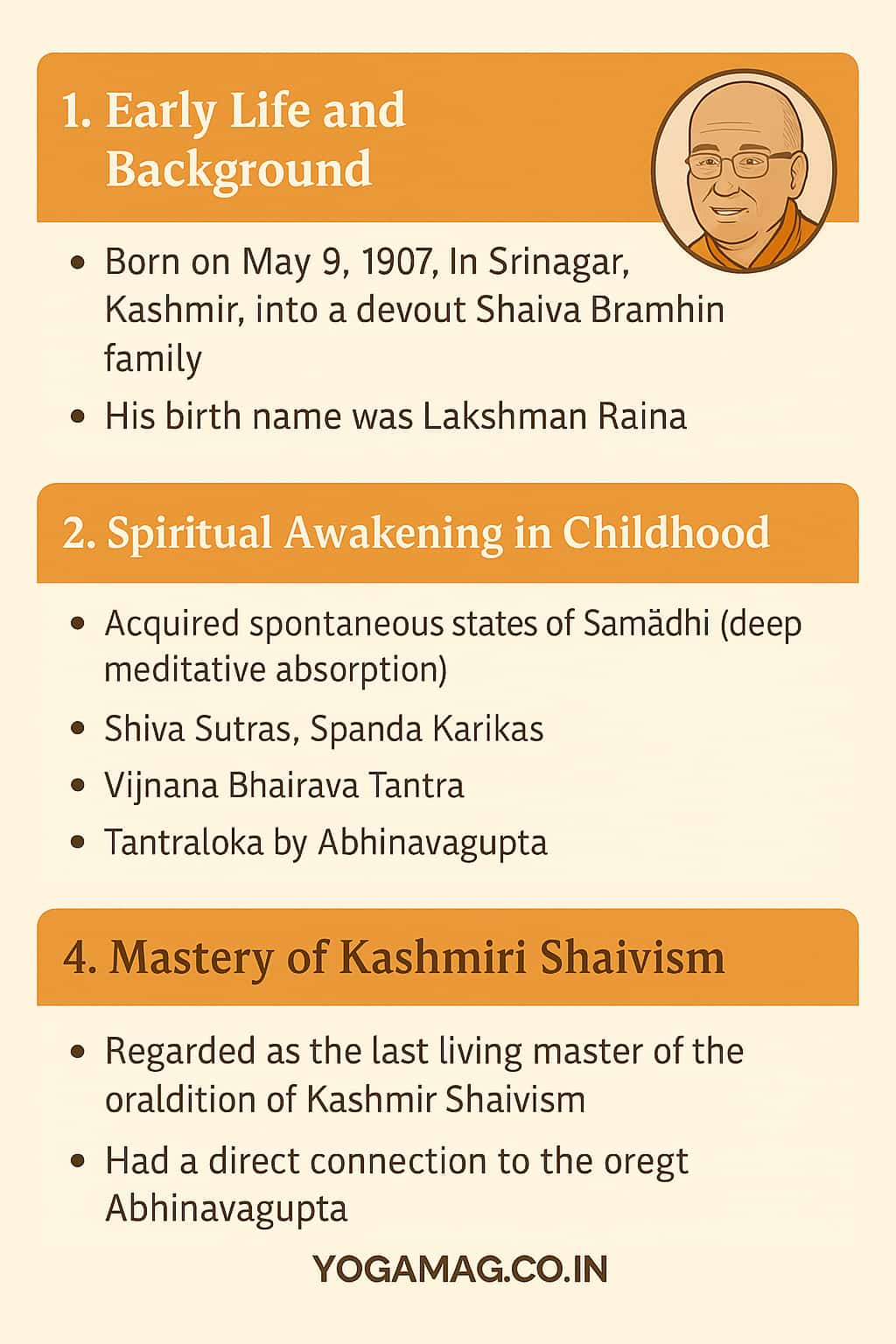
Download the infographic
Profile Information
in Srinagar, Kashmir and Jammu, British Raj (modern-day Srinagar district, Jammu and Kashmir, India)
Top profiles
Ram Dass
Professor
Psychologist, Professor, Spiritual Teacher, Author, Lecturer

Jessamyn Stanley
Yoga Teacher
Yogi, Author, Advocate, Influencer
Swami Rama
Yoga Teacher
Yoga Teacher, Author
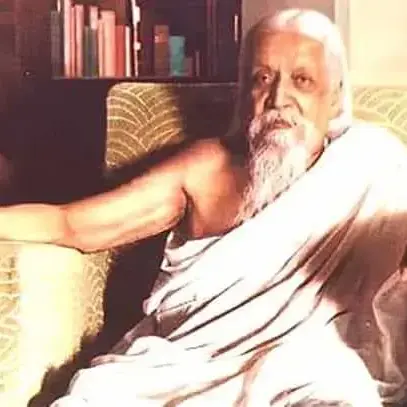
Sri Aurobindo
Indian yogi
Indian yogi, maharishi, and Indian nationalist.
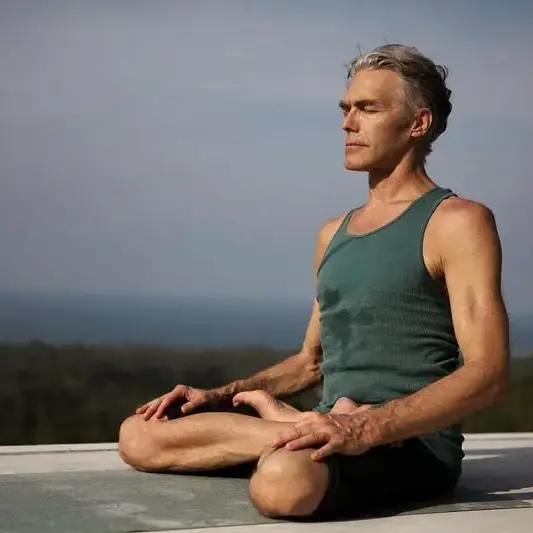
Richard Freeman
Yoga Teacher
Yoga Teacher, Author
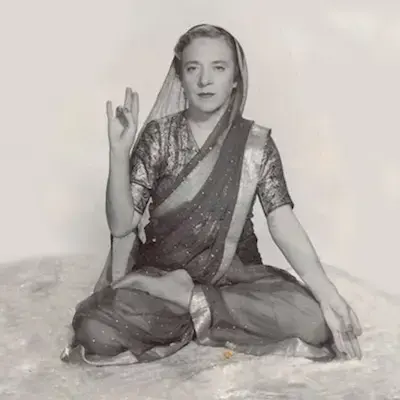
Indra Devi
Yoga Teacher
Yoga Teacher, First Lady of Yoga
Related Profiles
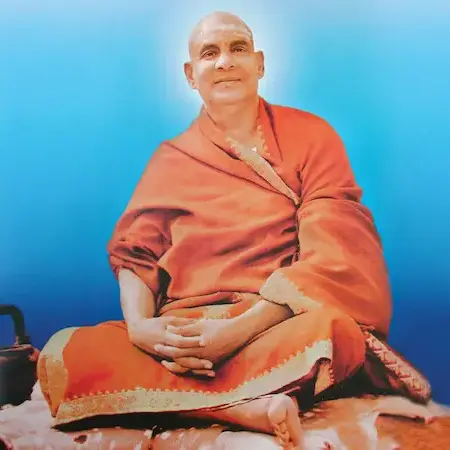
Swami Shivananda Saraswati
Hindu Monk
Indian yogi, mystic, and founder of Divine Life Society.
Satyananda Saraswati
Hindu Monk
Swami, Yogi, Teacher
Swami Vishnudevananda
Hindu Monk
Yoga master, peace activist, author, teacher
Swami Vivekananda
Hindu Monk
Indian Hindu monk, philosopher, author, spiritual teacher, and the chief discipl...