Hatha Yoga - Complete Guide, Benefits, and Poses

Discover the ancient practice of Hatha Yoga. Learn about its benefits, key poses, and how to incorporate it into your daily routine for better health and mindfulness.

Published: March 15, 2025 Updated: April 20, 2025 8,469 views

The Ancient Art of Hatha Yoga

Hatha Yoga, originating in ancient India, is a comprehensive system of physical and mental practices designed to achieve harmony between body and mind. The term "Hatha" combines two Sanskrit words: "ha" meaning sun and "tha" meaning moon, representing the balance of opposing energies within us.

Dating back to the 15th century, Hatha Yoga was first systematically presented by Yogi Swatmarama in the Hatha Yoga Pradipika. This foundational text outlines various asanas (postures), pranayama (breathing techniques), and purification practices that form the basis of modern Hatha Yoga.

The Four Main Paths of Yoga

Hatha Yoga is one of the four main paths of yoga, alongside Karma Yoga (path of selfless service), Bhakti Yoga (path of devotion), and Jnana Yoga (path of knowledge). While other paths focus on mental or spiritual aspects, Hatha Yoga emphasizes physical purification and strengthening as a foundation for spiritual growth.

Ancient Hatha Yoga

Key Historical Milestones

  • 15th Century: Hatha Yoga Pradipika written
  • 1920s: Introduction to the West
  • 1960s: Rise in global popularity
  • 21st Century: Mainstream adoption

The Five Core Principles of Hatha Yoga

Proper Exercise (Asanas)

Gentle stretching and strengthening postures that improve flexibility, balance, and strength while promoting overall physical health.

Proper Breathing (Pranayama)

Breathing techniques that enhance vitality and mental clarity while reducing stress and anxiety.

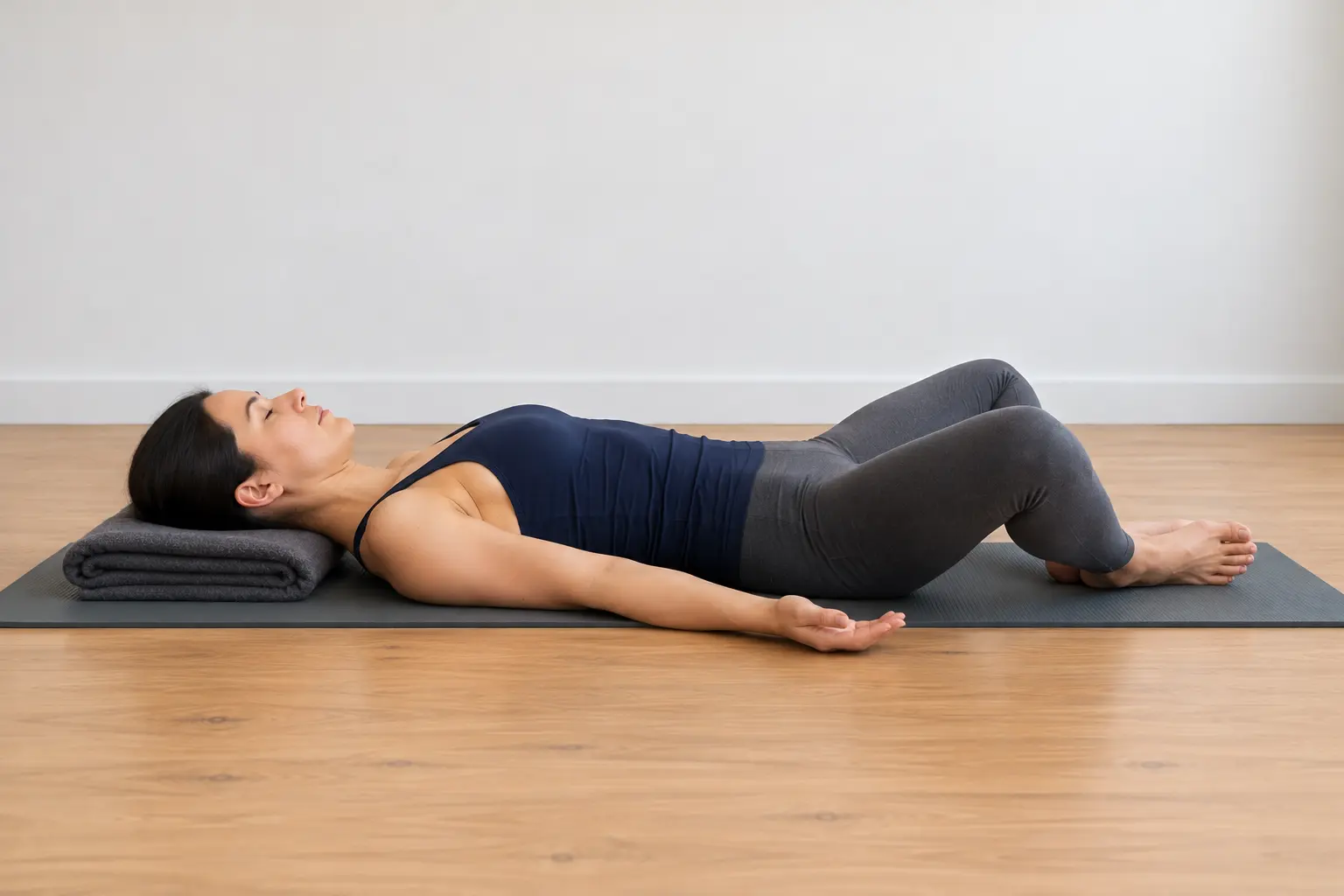
Proper Relaxation (Savasana)

Deep relaxation techniques that help release tension and rejuvenate the body and mind.

Proper Diet (Vegetarian)

A balanced, nutritious diet that supports the body's needs and promotes clarity of mind.

Positive Thinking & Meditation (Dhyana)

Cultivating a positive mindset and practicing meditation to achieve mental peace and self-awareness.

Comprehensive Benefits of Hatha Yoga

Physical Benefits

  • Enhances flexibility and joint mobility
  • Strengthens and tones muscles
  • Improves posture and alignment
  • Boosts immune system function
  • Enhances respiratory efficiency

Mental Benefits

  • Reduces stress and anxiety
  • Enhances focus and concentration
  • Improves memory and cognitive function
  • Promotes better sleep quality
  • Increases self-awareness

Spiritual Benefits

  • Deepens mind-body connection
  • Enhances self-awareness
  • Promotes inner peace and harmony
  • Develops discipline and willpower
  • Encourages mindfulness and presence

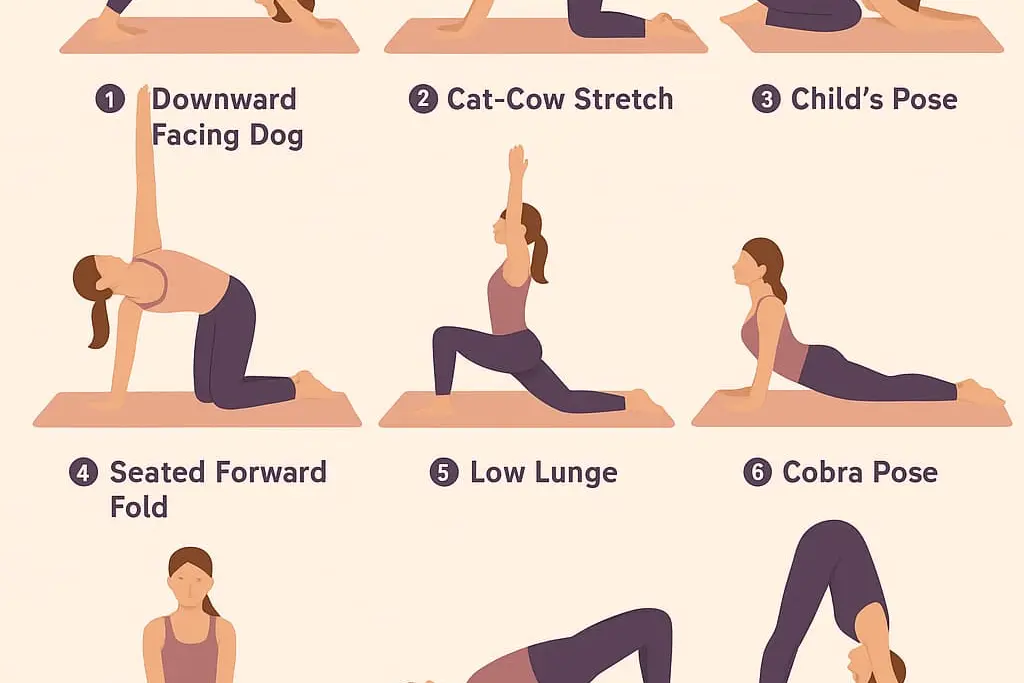
Essential Hatha Yoga Poses

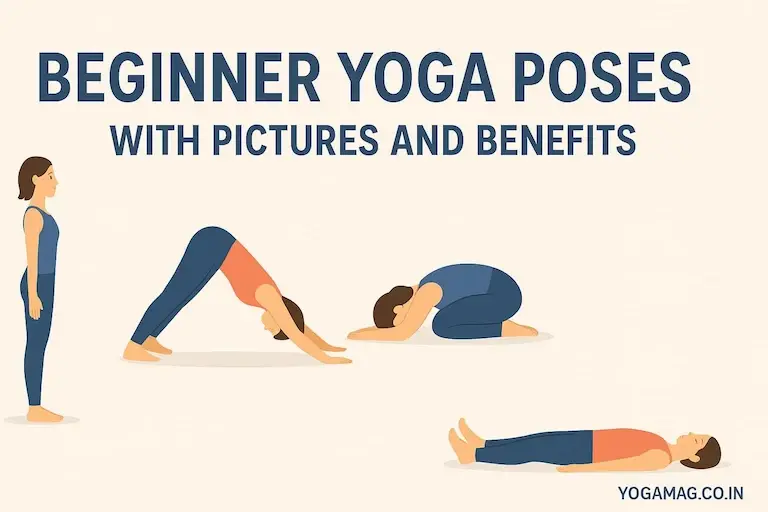
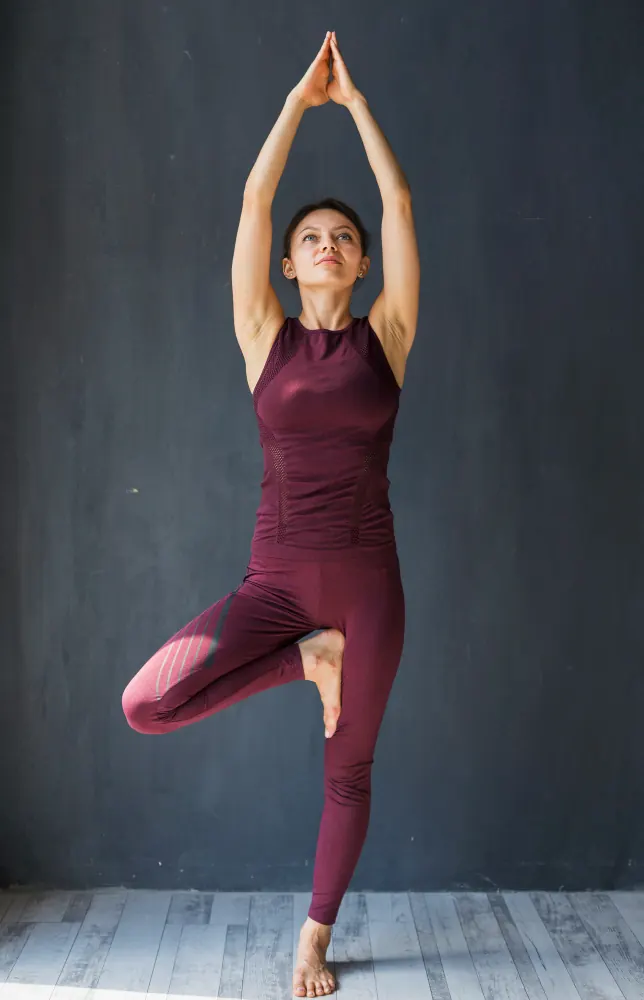
Tadasana (Mountain Pose)

1. Tadasana (Mountain Pose)

Benefits: Improves posture, strengthens thighs and core, increases awareness

How to: Stand tall with feet together, arms at sides, weight evenly distributed. Engage thighs, lift kneecaps, and lengthen through the spine.

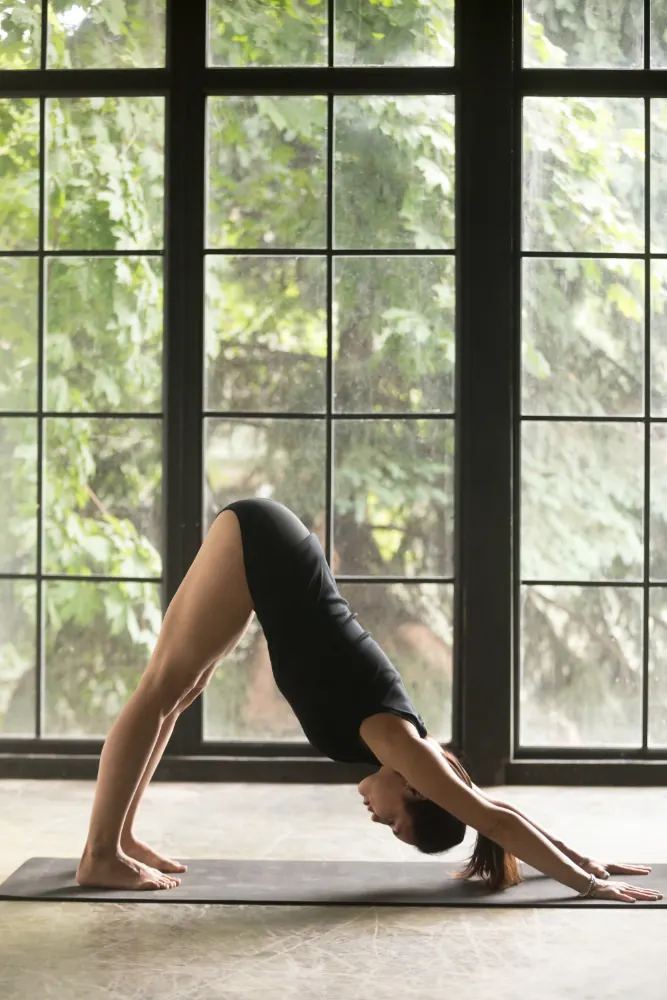
Adho Mukha Svanasana (Downward Facing Dog)

2. Adho Mukha Svanasana (Downward Facing Dog)

Benefits: Strengthens arms and legs, stretches shoulders and hamstrings, calms the mind

How to: Form an inverted V-shape with your body, hands shoulder-width apart, feet hip-width apart, and hips lifted high.

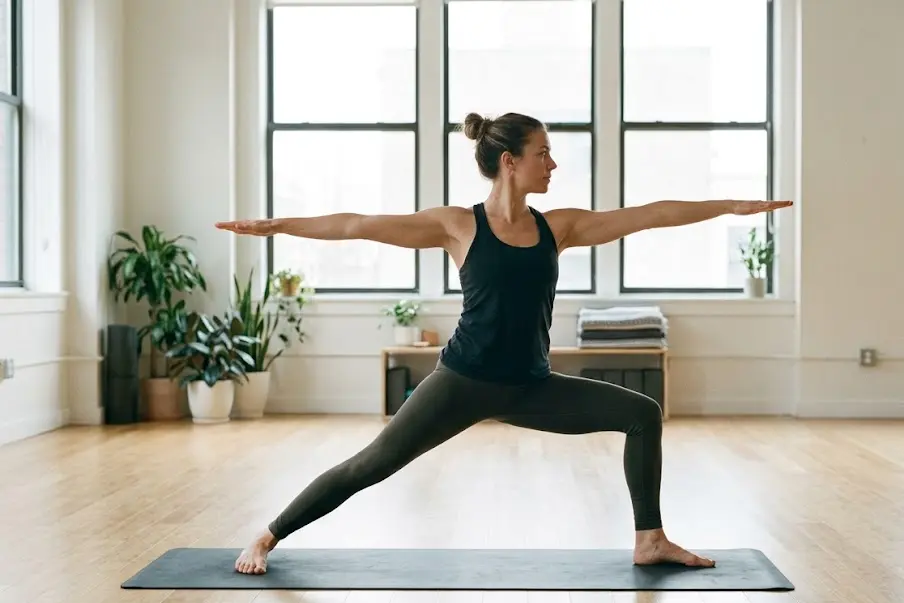
Virabhadrasana II (Warrior II)

3. Virabhadrasana II (Warrior II)

Benefits: Strengthens legs and arms, improves balance, increases stamina

How to: Step feet wide apart, turn right foot out 90 degrees, bend right knee over ankle, extend arms parallel to floor.

Hatha Yoga Practice Guidelines

Best Time to Practice

Traditionally, Hatha Yoga is practiced during the "Brahma muhurta" (the 48 minutes before sunrise), but any time that fits your schedule is beneficial. Consistency is more important than the specific time of day.

Ideal Duration

Beginners: 20-30 minutes daily
Intermediate: 45-60 minutes
Advanced: 60-90 minutes

Precautions

  • Practice on an empty stomach (2-3 hours after meals)
  • Listen to your body and avoid pain
  • Consult a doctor if you have medical conditions
  • Pregnant women should modify poses as needed
  • Use props when necessary for support

Getting Started with Hatha Yoga

Beginning a Hatha Yoga practice is simple and requires minimal equipment. Here's how to start:

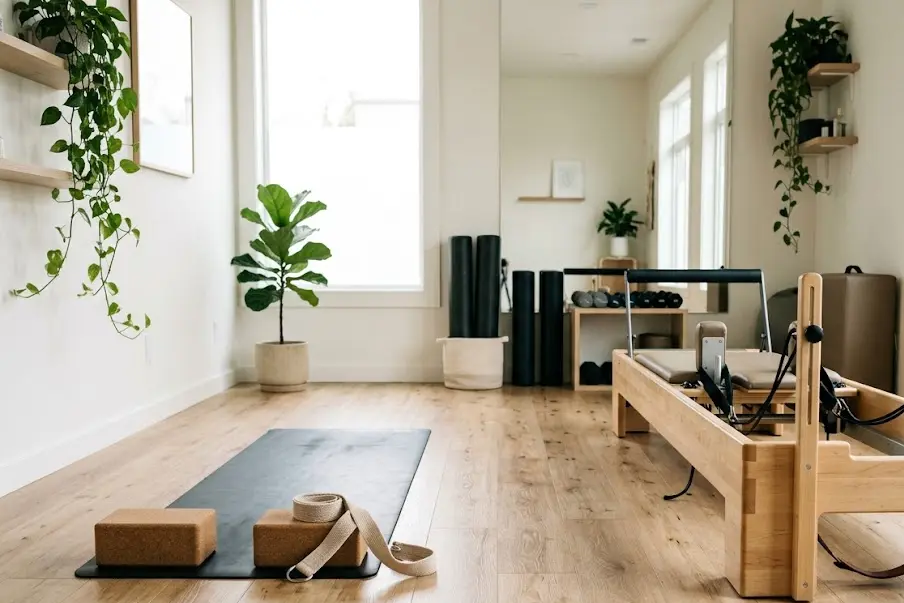
Essential Equipment

Yoga Mat

Comfortable Clothing

Water Bottle

Open Mind

Beginner's Tip

Start with basic poses and gradually progress to more advanced ones. Don't compare yourself to others - yoga is a personal journey. Focus on your breath and listen to your body's signals.

Related Articles

Ready to start your Hatha Yoga - Complete Guide, Benefits, and Poses journey?

Join our community and get access to exclusive content and guided practices.

Join Now