

What to Expect in Your First 30 Days of Home Meditation and Yoga: A Beginner’s Roadmap

Starting meditation and yoga at home can be one of the most rewarding decisions you make for your physical and mental well-being. Yet, the journey from zero to a consistent practice can feel overwhelming. What should you expect? How do you stay motivated? How do you handle challenges? This 30-day roadmap will help you navigate your first month with realistic expectations and practical tips, so you can build a sustainable home practice with confidence.
Why Start Meditation and Yoga at Home?
Before diving into the roadmap, let’s quickly touch on why practicing meditation and yoga at home is an excellent choice for beginners:
- Flexibility: Practice anytime that fits your schedule.
- Comfort: Your home is your sanctuary—no pressure or judgment.
- Cost-Effective: No need for expensive classes or memberships.
- Personalized: You can tailor your sessions to your pace and preferences.
That said, self-discipline and patience are key. Now, let’s explore what your first 30 days will likely look like and how to make the most of it.
Week 1: Getting Started — Setting Foundations
What to Expect
Your first week is all about exploration and setting a routine. Expect some awkwardness, restlessness, and perhaps a bit of frustration as you get acquainted with meditation and yoga.
- Your mind might wander excessively during meditation.
- Your body might feel stiff or uncomfortable during yoga poses.
- You may question if you’re “doing it right.”
Roadmap for Week 1
- Create Your Sacred Space: Dedicate a small, quiet corner of your home for practice. It can be as simple as a yoga mat, a cushion, and maybe a candle or incense.
- Set Realistic Time Goals: Start with 10–15 minutes per session. Consistency matters more than duration.
- Learn the Basics:
- For meditation: Focus on simple breath awareness or guided meditations.
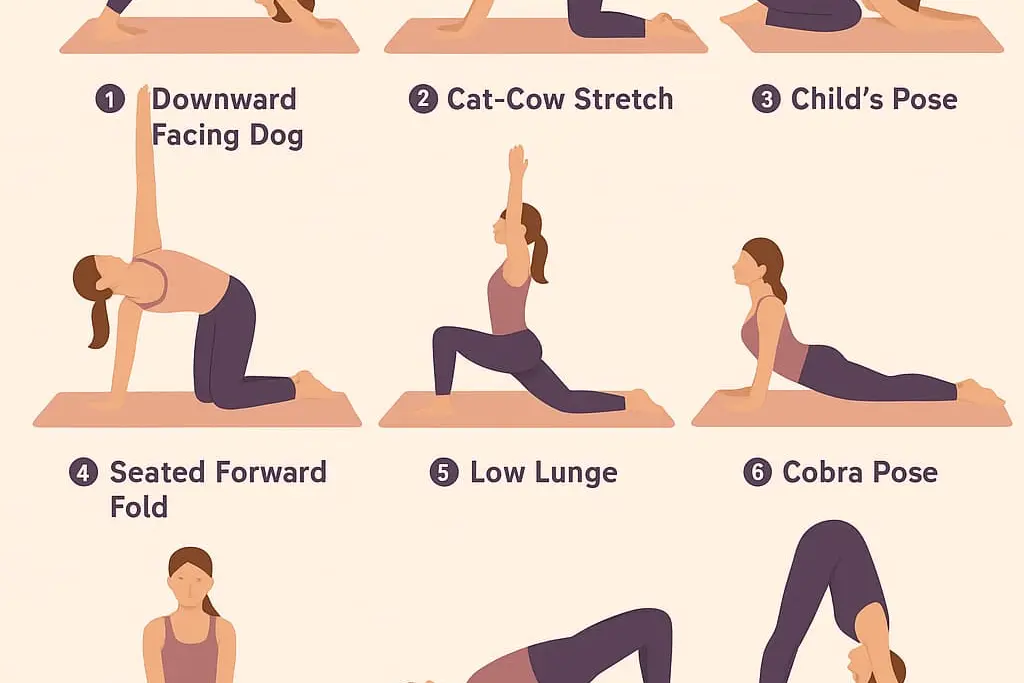
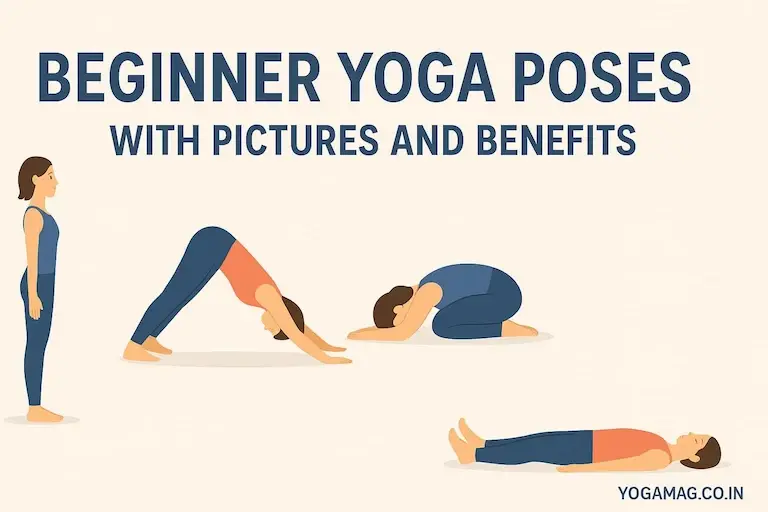
- For yoga: Begin with foundational poses (mountain, downward dog, child's pose).
- Follow Beginner-Friendly Resources: Use apps, YouTube channels, or books tailored for beginners. Some popular apps include Insight Timer, Headspace, or Yoga with Adriene on YouTube.
- Journal Your Experience: Note how you feel before and after practice. This helps track progress and identify challenges.
Tips
- Don’t get discouraged if your mind races. This is normal.
- Focus on how you feel, not on perfection.
- Prioritize consistency over intensity.
Week 2: Building Awareness — Deepening Your Practice
What to Expect
By week two, you may start noticing subtle shifts. Meditation might feel slightly easier as your attention span improves, and your body might become a bit more flexible. However, resistance or distractions can still arise.
- You may feel more present and less anxious.
- Physical discomfort during yoga might lessen.
- You might feel motivated or curious to explore more.
Roadmap for Week 2
- Increase Session Length Slightly: Try 15–20 minutes for meditation and 20–30 minutes for yoga.
- Explore Different Techniques:
- Meditation: Try body scan, loving-kindness meditation, or mindfulness of thoughts.
- Yoga: Explore gentle flow sequences or focus on specific areas like hips or back.
- Practice Mindfulness Off the Mat: Pay attention to your breath or body sensations throughout your day.
- Set an Intention: Each session, set a simple intention or theme, like patience or gratitude.
- Notice Your Breath: Begin linking breath with movement during yoga, enhancing focus and relaxation.
Tips
- Celebrate small wins, like sitting still for a few minutes or holding a pose.
- Remember, it’s normal to have days when focus slips.
- Keep your practice fun and light-hearted.
Week 3: Facing Challenges — Navigating Plateaus and Discomfort
What to Expect
Week three is often when beginners hit a plateau or face new challenges. Motivation may dip, or physical and mental discomfort might feel more pronounced.
- You might feel restless or bored during meditation.
- Physical soreness or frustration with flexibility could arise.
- You may question the benefits or your progress.
Roadmap for Week 3
- Honor Your Body’s Limits: Modify poses to avoid injury and reduce frustration. Use props like blocks or straps.
- Try Different Meditation Styles: If sitting meditation feels difficult, try walking meditation or guided visualization.
- Incorporate Restorative Yoga: Include gentle, relaxing poses that focus on deep breathing and relaxation.
- Connect with a Community: Join online forums or social media groups to share your journey and find support.
- Reflect on Your Why: Revisit why you started. Journaling your motivation can rekindle your commitment.
Tips
- Be patient with yourself — growth is not always linear.
- Focus on the process, not the results.
- Consider mixing short practices throughout the day if long sessions feel hard.
Week 4: Embracing Growth — Developing a Sustainable Routine
What to Expect
By the end of your first month, your body and mind will likely be more accustomed to regular meditation and yoga. You may notice improvements in stress levels, flexibility, and emotional resilience.
- Meditation might feel calming and energizing.
- Yoga can start to feel enjoyable rather than challenging.
- You may feel empowered and motivated to continue.
Roadmap for Week 4
- Establish a Consistent Schedule: Aim for daily practice or at least 4–5 days per week.
- Expand Your Practice: Explore new yoga styles (e.g., Vinyasa, Hatha) or longer meditation sessions.
- Focus on Breath and Alignment: Continue refining your technique, listening to your body’s signals.
- Incorporate Gratitude and Mindfulness: Begin each session with gratitude and carry mindfulness into daily life.
- Plan for the Future: Set goals for your next month, whether it’s mastering a pose, increasing meditation time, or attending a live class.
Tips
- Celebrate your progress—small or big.
- Listen to your body and mind; rest when needed.
- Keep your practice joyful and curiosity-driven.
Common Questions for New Practitioners
How Do I Stay Motivated?
Remember why you started. Create a ritual around your practice, and keep it enjoyable. Tracking your progress and joining communities can provide extra encouragement.
What If I Miss a Day?
No worries! Meditation and yoga are about consistency over time, not perfection. Simply return when you can, and avoid negative self-talk.
Do I Need Special Equipment?
A yoga mat is helpful, but comfortable clothes and a quiet space are the most important. Props like blocks, straps, or cushions can enhance comfort but aren’t essential.
Can I Combine Meditation and Yoga in One Session?
Absolutely! Many practitioners find combining both deepens their experience. For example, start with yoga to warm up, then meditate for mental clarity.
Final Thoughts: Your Journey Is Unique
Starting meditation and yoga at home is a beautiful step toward holistic health. Your first 30 days will have highs and lows, clarity and confusion, ease and challenge. Embrace the journey without judgment. Over time, your practice will become a source of peace, strength, and joy.
Remember, the goal is not to become perfect but to become present — to cultivate awareness of your body, mind, and spirit. Trust the process, be kind to yourself, and enjoy every step.
Want new practices by email?
We email now and then when we publish a new routine, practice or guide. No spam, unsubscribe any time.
Join the YogaMag newsletterFrequently Asked Questions
Popular posts
Related posts




No comments yet. Be the first to comment!