

Is plank pose good before bed?
Short answer: not really. Plank (Phalakasana) is an active strength hold. It works the arms, shoulders and core. Teachers generally treat it as an energising, warming pose rather than a calming one, which is the opposite of what most people want in the last minutes before sleep. That is common practice wisdom, not a tested sleep finding. Plank fits better earlier in the day or in the early evening. If you searched for sleeping in a plank position, you may mean lying on your stomach. Below are both answers, and the quieter practices that may help some people relax at night.
Why plank isn't a bedtime pose
Holding plank asks for steady effort from your whole body, and many people say they finish it warmer and more alert than they started. That is useful in a morning or afternoon practice. For the last half hour before bed, slower floor poses and gentle breathing are a more usual choice.
10-Minute Wind-Down Before Bed
10 min · 7 poses · Beginner
Slow floor poses and breathing for the end of the day, finishing with Legs Up the Wall and a few minutes of rest. Do it on a mat in a dim room. Nothing here is strenuous: skip any pose that does not feel good.
Open routine and timer
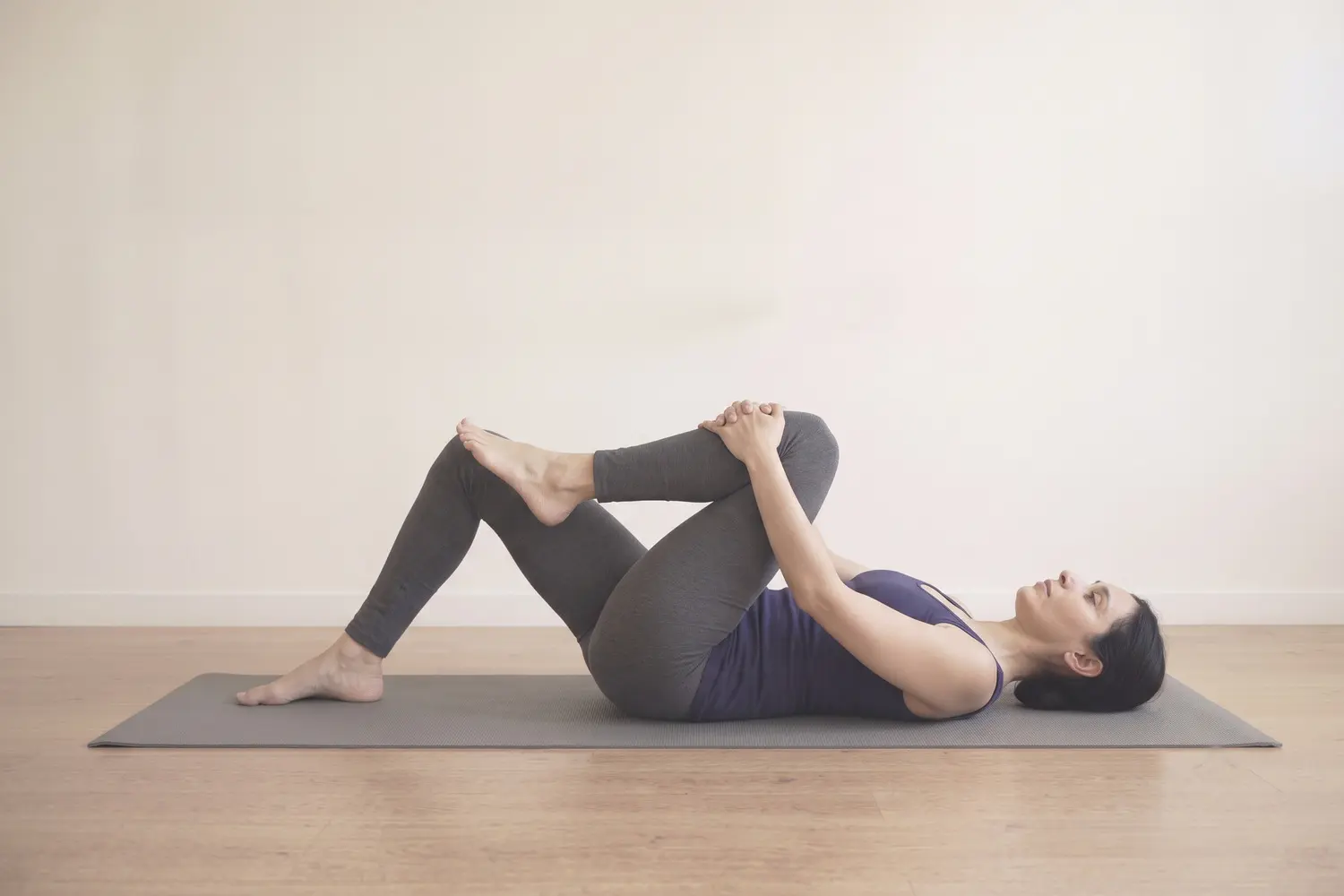
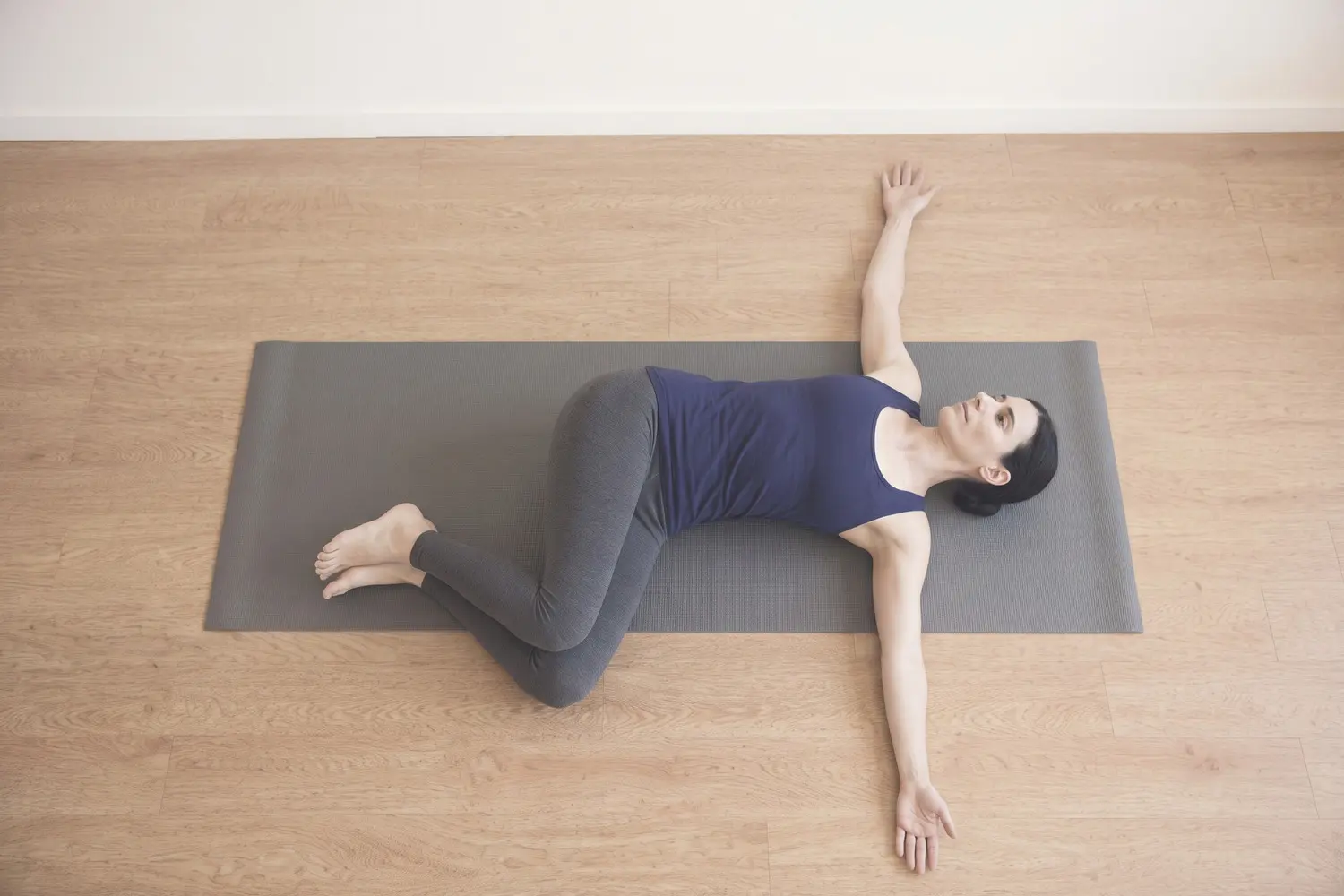
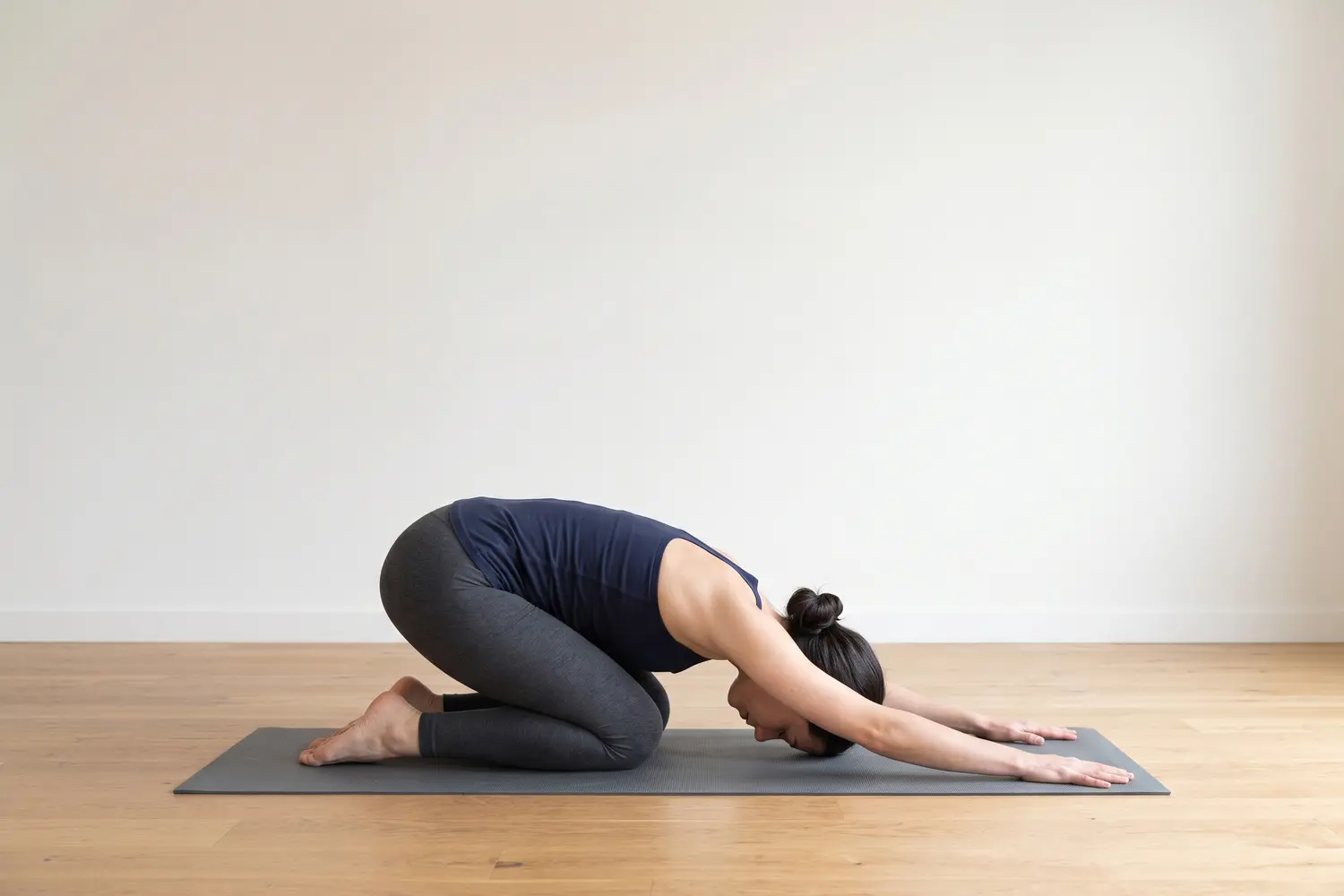
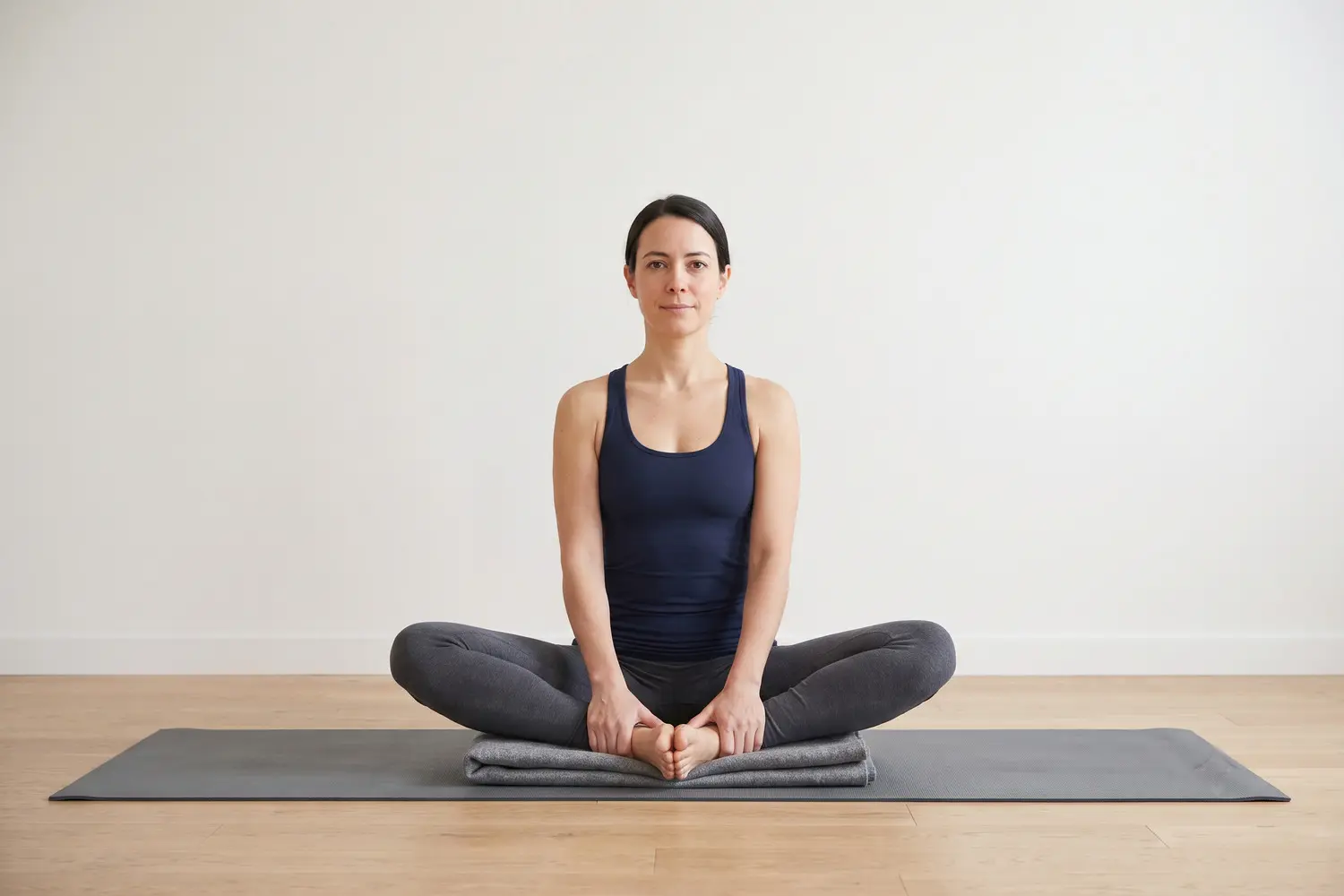
If you searched for sleeping in a plank position
Some people use the phrase for sleeping face-down, on the stomach. That is a sleep position, not a yoga pose, and it is not the same as holding plank. If your neck, back or shoulders feel stiff in the morning, a doctor or physiotherapist can advise on sleep position. Gentle stretching earlier in the evening may help some people feel looser.
What helps you wind down instead
Slow floor poses held for a few breaths, a breath with a slightly longer exhale, or a guided yoga nidra may help some people relax before bed. Choose one, keep it slow, and stop when you feel settled. Skip breath holds if you are pregnant or have a heart or lung condition or high blood pressure. Ask your doctor first about legs up the wall if you have glaucoma, uncontrolled high blood pressure or are pregnant, and in pregnancy avoid long spells lying flat on your back. If sleep stays a problem, please see a doctor.
10-Minute Wind-Down Before Bed
10 min · 7 poses · Beginner
Slow floor poses and breathing for the end of the day, finishing with Legs Up the Wall and a few minutes of rest. Do it on a mat in a dim room. Nothing here is strenuous: skip any pose that does not feel good.
Open routine and timer10-Minute Seated Relaxation Routine
10 min · 9 poses · Beginner
Slow breathing and gentle seated movement for the neck, shoulders and spine, ending with a humming breath and a seated body scan. Everything is done in a chair, so no floor is needed.
Open routine and timer
When plank does fit
Plank suits a morning or daytime session, or an early-evening one if it does not leave you buzzing. Build up with short holds, keep the body in one line, breathe steadily rather than holding your breath, and come down when your form slips. With sore wrists, try a forearm plank; skip it with a shoulder injury or recent back or abdominal surgery, and check with your provider if pregnant. Dolphin pose needs a doctor's word first with glaucoma, uncontrolled high blood pressure or a shoulder or neck injury.
Questions
Is plank pose good before bed?
It is not a usual choice. Plank is an active strength hold, usually thought of as warming and energising rather than calming. Most people do better with slower, quieter poses and breathing in the last half hour before sleep. Plank fits earlier in the day.
Can I do plank in the evening?
Many people do, and early evening is common. Leave a gap before bed, and if you feel wired afterwards, move it earlier. Stop if you feel wrist, shoulder or lower back pain, and do not hold your breath. If you are pregnant or have a health condition, check with your doctor first.
Is sleeping on my stomach the same as plank?
No. Plank is a yoga strength hold on the hands or forearms. Sleeping on your stomach is a sleep position. If it leaves your neck or back sore, a doctor or physiotherapist can advise.
What could I do instead before bed?
A few slow floor poses, a gentle breath with a slightly longer exhale, or a guided yoga nidra. These may help some people relax, and results vary. They are not a treatment for sleep problems; if you struggle to sleep for more than a few weeks, please see a doctor.
General education only, not medical advice or a treatment for sleep problems. If you are pregnant, have wrist, shoulder or back pain, or trouble sleeping, check with a doctor first, and stop if anything hurts.