

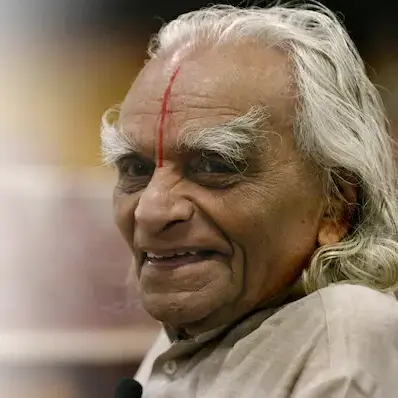
B.K.S. Iyengar
Yoga Teacher
Teacher of yoga , author and Founder of Iyengar Yoga
About B.K.S. Iyengar
B.K.S. Iyengar, one of the most influential yoga teachers of the 20th century, revolutionized the way yoga is practiced and understood worldwide. His contributions to the world of yoga extend beyond mere physical postures (asanas) — he opened the doors to deeper spiritual awareness, mental clarity, and holistic well-being through yoga. In this blog post, we’ll dive into the life and work of this legendary figure, and understand why his teachings continue to inspire millions.
A Humble Beginning: The Early Life of B.K.S. Iyengar
- Born: December 14, 1918, in Bellur, India.
- Challenges: As a child, Iyengar faced numerous health issues like malaria and typhoid. He came from a poor family and struggled with his health throughout his early years.
- Introduction to Yoga: At 15, Iyengar began studying yoga under his brother-in-law, T. Krishnamacharya, a renowned yoga master.
- Struggles & Dedication: Although initially struggling with the physical postures, Iyengar's relentless effort eventually led him to mastery.
The Birth of Iyengar Yoga
B.K.S. Iyengar’s approach to yoga was distinct and innovative. While traditional yoga emphasized the spiritual and philosophical aspects of the practice, Iyengar sought to make yoga accessible to people of all backgrounds, ages, and abilities. His innovations include:
- Use of Props: Introduced blocks, belts, blankets, and chairs to support poses and make yoga accessible to everyone, regardless of age or physical limitations.
- Precision & Alignment: Focused heavily on the correct alignment of the body to prevent injury and deepen the experience of each pose.
- Inclusivity: Made yoga available to all — not just the physically fit or spiritually inclined.
Core Principles of Iyengar Yoga
At the heart of Iyengar Yoga are the following foundational principles:
- Alignment: Proper alignment ensures that the body works in harmony, preventing strain or injury.
- Attention to body mechanics in each pose helps strengthen and stabilize the body.
- Timing: Poses are often held for extended periods, allowing the practitioner to deepen their awareness and alignment.
- Breath: Breath control (pranayama) is integrated into the practice, helping to bring mental clarity, energy, and calmness.
- Props: Tools like blocks, straps, and blankets are used to help practitioners achieve the correct form, even in challenging poses.
The Power of Breath: The Integration of Pranayama
While asanas (physical postures) are the most widely practiced aspect of yoga, Iyengar also placed a significant emphasis on pranayama, or breath control. In Iyengar Yoga, the breath is seen as the bridge between the body and mind, and pranayama is an essential component of the practice.
- Breath and Movement: By coordinating breath with movement, practitioners develop a deeper awareness of their bodies and minds.
- Mental Benefits: Pranayama cultivates a sense of calm and mental clarity, helping practitioners reduce stress and anxiety.
- Energy Flow: Breath control increases vitality and helps balance the energy in the body.
Global Influence and Legacy
B.K.S. Iyengar’s influence on the global yoga community cannot be overstated. His teachings reached far beyond India, making yoga a global phenomenon.
- International Reach: In the 1960s, Iyengar began teaching yoga in Europe and the United States, spreading his practice worldwide.
- Books: His book Light on Yoga (1966) became one of the most widely read yoga texts, popularizing Iyengar Yoga globally.
- Recognition: In 2004, he was awarded the Padma Bhushan, one of India’s highest civilian honors, recognizing his contribution to yoga.
Why B.K.S. Iyengar’s Yoga Still Matters Today
In today’s fast-paced, often chaotic world, B.K.S. Iyengar’s teachings provide a sense of groundedness and clarity. His emphasis on mindfulness, alignment, and breathwork offers an antidote to stress, anxiety, and the physical strains of modern life. Here’s why Iyengar Yoga remains relevant today:
- Physical Health:
- Enhances strength, flexibility, and postural alignment.
- Uses props to prevent injury and provide support in various poses.
- Mental Clarity:
- Promotes concentration and mindfulness, which reduces mental clutter.
- Breathwork helps alleviate stress and fosters emotional stability.
- Accessibility for All:
- Iyengar Yoga can be adapted for people with various physical limitations.
- The use of props makes yoga achievable for beginners and seniors.
- Spiritual Growth:
- While Iyengar Yoga focuses on the body, it also encourages a deeper spiritual connection.
- The mindful approach cultivates inner peace and self-awareness.
Key Takeaways:
- Innovation in Yoga: B.K.S. Iyengar's introduction of props and emphasis on alignment revolutionized the yoga world.
- Holistic Approach: His style of yoga bridges physical, mental, and spiritual well-being.
- Global Impact: Iyengar’s influence transformed yoga into a worldwide practice that continues to evolve and inspire.
- Accessibility: His approach made yoga accessible to a wider audience, including those with injuries or physical limitations.
- Legacy: Iyengar’s teachings remain alive through the ongoing practice and study of his methods, ensuring his contributions to the world of yoga endure.
Recommended Reading
- Light on Yoga (1966)
- Light on Pranayama (1985)
- Light on the Yoga Sutras of Patanjali (1993)
- Light on Life (2005)
- The Art of Yoga (1985)
- Yoga: The Path to Holistic Health (2001)
- Core of the Yoga Sutras (2012)
- Astadala Yogamala (Collected Works)
Final Thoughts: A Legacy of Precision, Compassion, and Transformation
B.K.S. Iyengar’s contributions to the world of yoga go far beyond his innovative style. He left a legacy of precision, compassion, and a deep respect for the transformative power of yoga. His teachings continue to inspire and empower millions of people around the world, helping them live healthier, more mindful, and more fulfilled lives.
Whether you are new to yoga or have been practicing for years, exploring Iyengar Yoga can deepen your understanding of the practice and enhance your physical, mental, and spiritual well-being. As Iyengar himself once said, “Yoga is the journey of the self, through the self, to the self.”
His words and his legacy continue to guide us, and his vision of a more harmonious and balanced world through the practice of yoga is one that will endure for generations to come.
Profile Information
in Bellur, Kolar district, Kingdom of Mysore (now Karnataka, India)
Top profiles
Ram Dass
Professor
Psychologist, Professor, Spiritual Teacher, Author, Lecturer
Jessamyn Stanley
Yoga Teacher
Yogi, Author, Advocate, Influencer
Swami Rama
Yoga Teacher
Yoga Teacher, Author
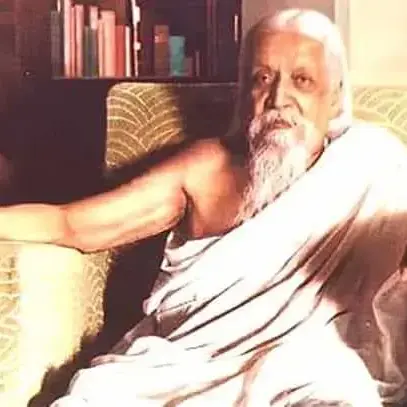
Sri Aurobindo
Indian yogi
Indian yogi, maharishi, and Indian nationalist.
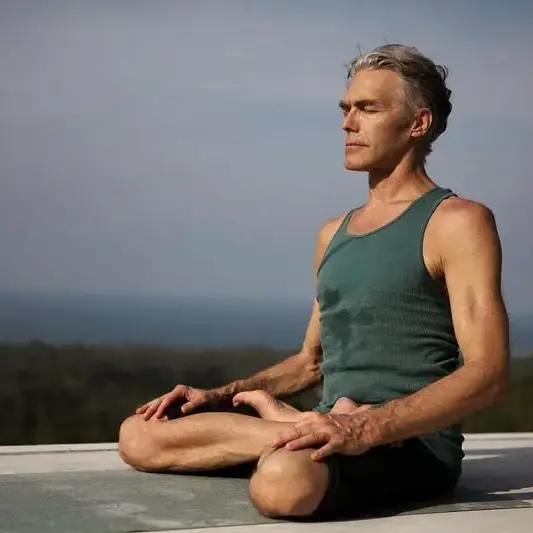
Richard Freeman
Yoga Teacher
Yoga Teacher, Author
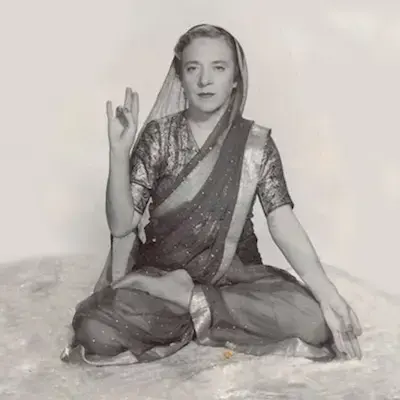
Indra Devi
Yoga Teacher
Yoga Teacher, First Lady of Yoga
Related Profiles
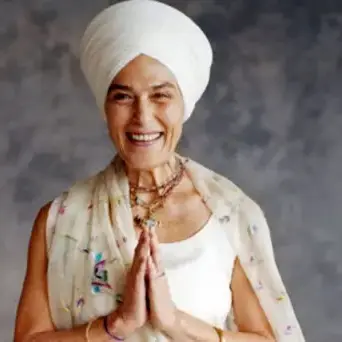
Gurmukh Kaur Khalsa
Yoga Teacher
Yogi, Teacher, Author, Healer
Geeta Iyengar
Yoga Teacher
Eldest daughter of B. K. S. Iyengar, was a yoga teacher credited with advancing...
T.K.V. Desikachar
Yoga Teacher
Yoga teacher, author and founder of Viniyoga
Baba Ramdev
Yoga Teacher
Indian yoga guru and author.