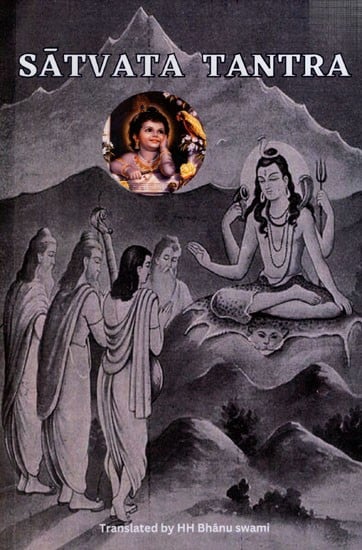
The Satvata Tantra revealed by Narayana and communicated to Narada by Siva, is a significant text within the Chowkhamba Sanskrit Series. Edited by Pandit Ananta Shastri Phadke, a noted scholar from the Government Sanskrit College in Benares, this manuscript delves into the doctrines of the Vaishnava tradition. It emphasizes the spiritual path of devotion (bhakti) that leads to a deeper understanding of the divine (Krishna).
The text elaborates on the characteristics and qualities of devotees and outlines the means of worship and devotion, positioning bhakti as central to spiritual advancement. It discusses themes such as the importance of a guru, the necessity of devotion in overcoming worldly attachments, and details various forms of renunciation. Furthermore, it argues that true liberation (moksha) follows from complete surrender to the divine.
The structure of the text is meticulous, featuring shlokas (verses) that are supplemented with annotations and commentary, which aid in interpretation and understanding. This careful editing ensures that the complexities of the original Sanskrit are made accessible to modern readers. The Satwata Tantram not only provides theological insights but also enhances the practitioner’s approach to worship through practical guidelines on devotion and spiritual conduct.
89 important points from the Satwata Tantram plus 20 bonus teachings.
- Revelation by Narayana: The text is believed to be divinely revealed by Narayana, emphasizing its sacred nature.
- Communication to Narada: Siva communicates the teachings to Narada, signifying the importance of passing wisdom among sages.
- Emphasis on Devotion (Bhakti): Central theme focusing on the significance of profound love for God as a means to spiritual fulfillment.
- Vaishnava Tradition: It anchors itself within the Vaishnava tradition, promoting worship of Lord Vishnu/Krishna.
- Definition of a True Devotee: Characteristics that define a devout practitioner include sincerity, humility, and absolute faith in God.
- Role of the Guru: The necessity of a spiritual teacher (guru) to guide devotees on their path.
- Diverse Paths of Worship: Highlights multiple methods of worship and devotion, allowing for individual practices.
- Renunciation (Sanyasa): Importance of renunciation of worldly attachments in attaining spiritual goals.
- Path to Liberation (Moksha): Discusses moksha as the ultimate goal achieved through sincere devotion.
- Union with the Divine: Bhakti leads to the realization and communion with Krishna, perceived as the supreme being.
- Characteristics of Divine Love (Prema): Defines divine love as selfless and pure, diverging from mundane attachments.
- Meditation Techniques: Outlines methods for meditation and mental focus on divine forms.
- Forms of Worship (Puja): Discusses different types of rituals and ceremonies performed to honor deities.
- Significance of Sacred Texts: Emphasizes the guidance provided by scriptures in understanding spirituality.
- Ethics in Spiritual Practice: Ethics play a crucial role in establishing a foundational spiritual practice.
- Role of Faith: Faith is vital in the practice of devotion and in trials of spiritual life.
- Community Worship: Importance of communal practices and collective bhakti in building spiritual bonds.
- Divine Pastimes (Leela): Describes the enchanting stories of divine interactions with devotees.
- Power of Names and Forms: Discusses the transformative nature of God's names and their role in devotion.
- Transformative Power of Bhakti: How devotion can change individuals and their perceptions of life.
- Devotional Songs (Bhajans): Highlights the role of singing prayers in enhancing spiritual experience.
- Impact of Saints: Discusses historical figures in bhakti who have influenced the practice.
- Process of Surrender (Prapatti): Steps towards complete surrender to God for ultimate peace.
- Dialogue Between Sages: Features conversations that reveal deeper understanding of spiritual truths.
- Bhakti Yoga Philosophy: Outlines the philosophical foundations underpinning the practice of Bhakti Yoga.
- Attributes of Krishna: Elaborates on the divine attributes of Krishna that inspire devotion.
- Realization of God: Describes the process by which devotees come to realize the presence of God.
- Comparative Practices: Discusses how different forms of devotion may be compared and contrasted.
- Importance of Personal Devotion: Encourages personal connection to God over ritualistic practices.
- Concept of Divine Grace (Kripa): Divine grace is a recurring theme, essential for spiritual advancement.
- Resilience in Challenges: Devotees are encouraged to remain steadfast during spiritual trials.
- Karmic Implications: Examines how karma interacts with the devotee's actions and choices.
- Divine Interactions: Narrates instances of divine intervention in the lives of devotees.
- Role of Rituals: Rituals serve to create a sacred environment and deepen connection with God.
- Divine Manifestations: Discusses various forms in which the divine is perceived by humans.
- Educational Roles of Texts: Serves as a guidebook for spiritual educators and seekers alike.
- Mantra Repetition (Japa): Importance of repeating sacred mantras for spiritual focus and clarity.
- Historical Context: Places the text within its historical and cultural framework for comprehension.
- Love and Compassion: Themes of love and compassion are vital in the practice of bhakti.
- Nature of the Soul (Atman): Insights into the eternal nature of the soul and its relationship with God.
- Spiritual Maturity Indicators: Defines signs that indicate a devotee's spiritual growth.
- Emotional Aspects in Devotion: Discusses how feelings play into the authenticity of a devotee’s practice.
- Exemplary Devotee Narratives: Shares stories of exemplary devotees as models for practitioners.
- Divine Play (Lila): Reflects on how divine leelas serve as lessons for spiritual seekers.
- Conduits of Divine Energy (Shakti): Describes the channels through which divine energy flows into creation.
- Sacred Geography: Significance of holy sites and their roles in spiritual practices.
- Clear Spiritual Pathways: Guidance on navigating the complexities of spiritual life.
- Devotion's Transformative Process: How sincere devotion leads to personal transformation.
- Spiritual Life Models: Frameworks for how to conduct a life aligned with spiritual principles.
- Divine Protection Concepts: Assurance of divine protection for sincere devotees on their path.
- Integration of Spirituality: Advocates merging spiritual principles with everyday life.
- Ethical Living Importance: Ethical considerations as foundational to a devotee’s life.
- Knowledge (Jnana) Interplay: Exploring how knowledge complements devotional practices.
- Heavenly Realms Descriptions: Illustrates various divine realms as experienced by devotees.
- Materialism Critique: Critiques of materialistic perspectives in favor of spiritual values.
- Creation and Dissolution Cycles: Discusses the cyclical nature of cosmic creation and dissolution as divine play.
- Symbolism in Worship: The significance of various symbols used in worship rituals.
- Emotions in Bhakti: How positive emotions facilitate deeper connections with the divine.
- Journey of the Soul: The progression of the individual soul through various lifetimes and experiences.
- External vs. Internal Worship: Distinction between outward rituals and inward focus on the divine.
- Service (Seva): The transformative power and importance of selfless service to others.
- Cosmic Interdependence: Explores the interconnected nature of all beings in creation.
- Philosophical School Comparisons: Compares tenets of the text with those of other philosophical traditions.
- Evolution of Practices: How practices have evolved and adapted over time within the bhakti tradition.
- Cognitive Dimensions of Worship: Explores the mental and cognitive processes involved in worship and devotion.
- Despair and Joy: Understanding emotional highs and lows as part of the spiritual journey.
- Inclusivity in Spiritual Tutoring: Encourages inclusiveness among practitioners of different backgrounds.
- Exemplary Incarnations: Describes notable incarnations of deities and their roles in bhakti.
- Moral Dilemmas Faced: Addresses common dilemmas encountered on the spiritual path.
- Faith During Crisis: Guidance on maintaining faith during challenging times.
- Nature and Function of Devotion: Understanding the fundamental nature of devotion and its role in spirituality.
- Fate and Free Will: Discusses the balance between predetermined fate and personal agency.
- Importance of Humility: Cultivating humility as essential for genuine bhakti.
- Tradition Preservation: Emphasizes the significance of preserving spiritual traditions across generations.
- Worship Symbols: Understanding the purpose behind symbols used in rituals.
- Obstacles to Growth: Identifying and overcoming common pitfalls in spiritual development.
- Strategies for Overcoming Challenges: Offers strategies and techniques for handling spiritual challenges.
- Quest for Transcendence: Encourages the pursuit of transcending material limitations.
- Spiritual Awakening Phases: Description of the stages of spiritual awakening experienced by devotees.
- Mythological Lessons: Lessons derived from stories in mythology that inform spiritual teachings.
- Divine Will Understanding: Insights into working with and understanding divine will.
- Temporal vs. Eternal Life: Distinctions between temporal concerns and eternal spiritual truths.
- Role of Storytelling: How storytelling conveys important spiritual lessons and values.
- Rituals for Auspicious Beginnings: Ritual practices that mark significant moments in spiritual life.
- Spiritual Purification Process: Describes methodologies for personal spiritual purification.
- Perspectives on Death: Insights offered on the nature of death and afterlife beliefs.
- Devotee Testimonials: Narratives from practitioners that embody the teachings in action.
- Teacher-Student Bond: Explores the profound connection between spiritual teachers and their disciples.
- Ethical Challenges Analyses: Engages in discussions of ethical.
20 bonus teachings.
- Philosophy of Creation: The text discusses the various elements involved in creation, referencing concepts of causality and the nature of existence.
- The Nature of Brahman: It describes Brahman as an ultimate reality, addressing different attributes and forms associated with it.
- Cosmic Avatars: Lists various incarnations (Avatars) of deities, particularly Vishnu, exploring their roles and significance in the cosmic order.
- Bhakti and Devotion: Emphasizes the importance of devotion (Bhakti) in attaining spiritual liberation and connection with the divine.
- Role of Narada: Narada's questions and discussions serve as a means of exploring deep spiritual concepts within the text.
- The Principle of Karma: Addresses the law of karma and its influence over human lives and spiritual advancement.
- State of Liberation (Moksha): Discusses the different paths and practices that lead one towards liberation from the cycle of birth and death.
- Identification of Self (Atman): Exploration of the relationship between the individual self (Atman) and the cosmic self.
- Significance of Rituals: The role of rituals in spiritual practice and their significance in connecting the material and spiritual worlds.
- Dharma and Ethics: Outlines ethical principles and duties (Dharma) that guide followers in their spiritual and worldly life.
- Manifestation of Divine Powers: Dialogues describing different divine attributes and powers.
- Role of Guru: The text outlines the significance of a spiritual teacher (Guru) in the path of enlightenment.
- Interconnectedness of Life: Themes of interdependence among all beings and divisions in creation.
- Forms of Worship: Various types of worship and practices that devotees can engage in to connect with the divine.
- Divine Grace: The overwhelming importance of divine grace in the path to realization and enlightenment.
- Philosophical Dialogues: Extensive philosophical discussions framed within a narrative format, enhancing comprehension of complex ideas.
- Understanding Reality: Analysis of different states of consciousness and reality as detailed in the Upanishadic texts.
- Spiritual Aspirants: The characteristics and qualities expected of spiritual seekers.
- Celestial Beings: Descriptions of divine entities and their interactions with the material world.
- Transcendental Knowledge: The pursuit of knowledge beyond the physical realm and its significance in spiritual practices.
. . .