

Autobiography of a Yogi Image
8/10 1,765 views Updated: 1 week ago

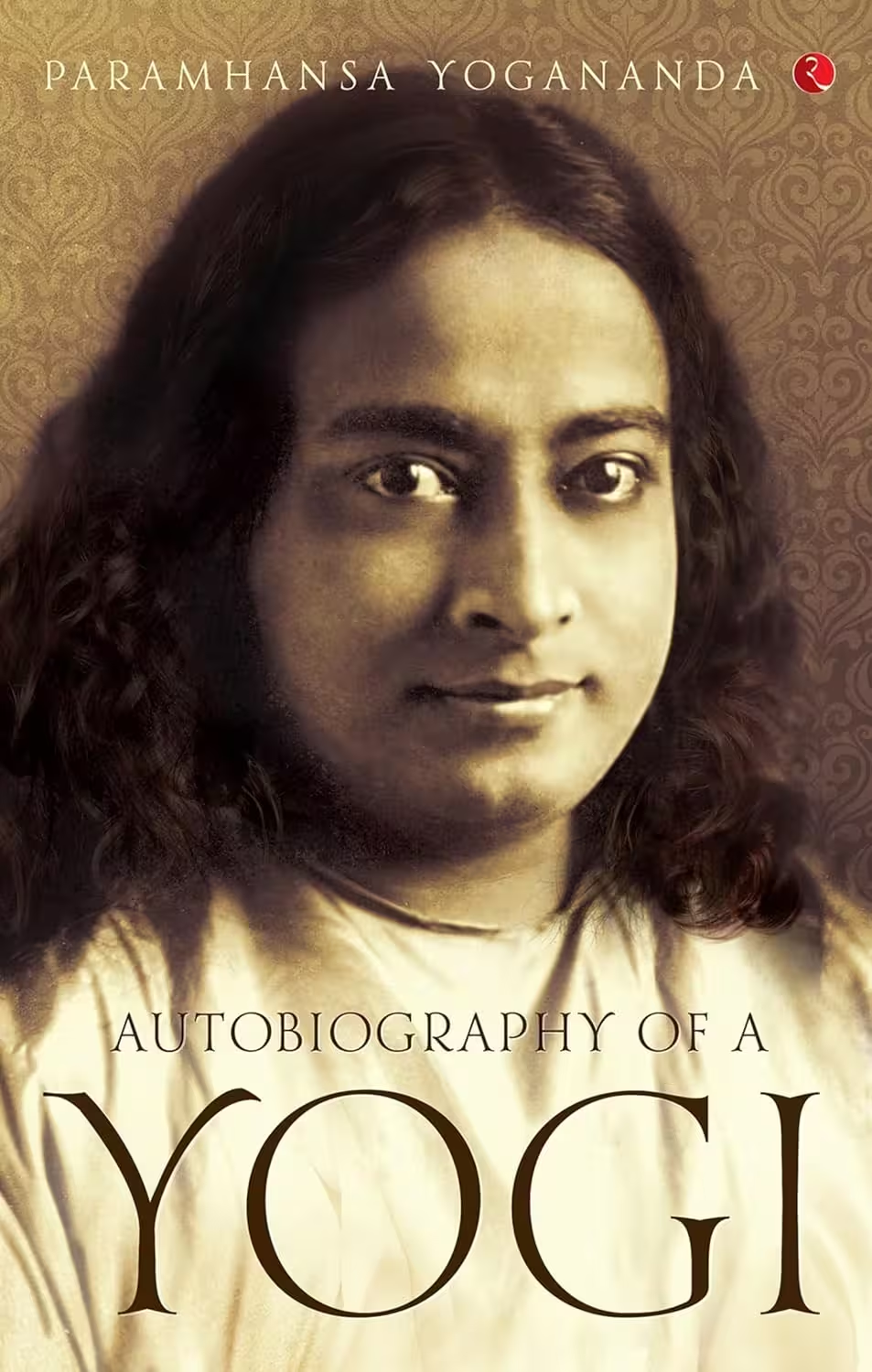
Autobiography of a Yogi

"Autobiography of a Yogi" by Paramahansa Yogananda is a spiritual classic that introduces the reader to India's profound traditions of yoga, mysticism, and self-realization. Below is a detailed summary, highlighting the book's themes, its pros and cons.

Summary

The book is a journey into the life of Yogananda, one of India's most celebrated yogis, as he explores spirituality, self-discovery, and the interconnectedness of the divine and human experience.

Key highlights include:

  1. Childhood and Early Spiritual Awakening: Yogananda recounts his youth in India, his spiritual experiences, and his profound desire to seek the divine.
  2. Meeting His Guru, Sri Yukteswar: The pivotal moment when Yogananda finds his spiritual teacher and learns the science of Kriya Yoga.
  3. Encounters with Saints and Miracles: Through vivid narratives, the book describes encounters with remarkable individuals, including saints with mystical abilities and profound wisdom.
  4. Introduction of Yoga to the West: Yogananda shares his experiences spreading the teachings of yoga in the United States, culminating in the establishment of the Self-Realization Fellowship.
  5. Exploration of Universal Truths: The book delves into the nature of reality, reincarnation, karma, and the role of meditation in achieving self-realization.

Pros

  1. Inspirational Content: The book uplifts readers with its spiritual wisdom, personal anecdotes, and transformative messages.
  2. Cultural Insight: Offers a rich depiction of Indian spirituality, including the guru-disciple relationship, ancient yoga practices, and sacred traditions.
  3. Timeless Teachings: Yogananda’s interpretation of universal truths transcends religion, appealing to a diverse audience.
  4. Engaging Style: Written in a poetic and accessible language, the book captivates readers with its narrative charm.

Cons

  1. Occasional Mystical Overload: For readers unfamiliar with or skeptical about spiritual phenomena, the accounts of miracles may seem exaggerated or implausible.
  2. Philosophical Density: Certain chapters dive deep into metaphysical concepts, which may overwhelm readers new to spirituality.
  3. Idealized Perspective: While inspirational, the book may appear overly idealistic in its portrayal of spiritual paths, leaving out practical challenges.


30 important points from Autobiography of a Yogi by Paramahansa Yogananda:

  1. The Guru-Disciple Relationship: The book emphasizes the sacred bond between a guru and a disciple as the cornerstone of spiritual progress.
  2. Childhood Vision: Yogananda had a vision of the Himalayan yogis as a child, sparking his lifelong spiritual quest.
  3. Role of Divine Mother: Yogananda felt a deep connection with the Divine Mother, who guided him during moments of despair.
  4. Lahiri Mahasaya’s Influence: His parents were disciples of Lahiri Mahasaya, whose teachings shaped Yogananda's spiritual path.
  5. The Silver Amulet: A mysterious amulet, materialized by a sadhu, symbolized divine protection and guidance during his early years.
  6. Meeting Sri Yukteswar: Yogananda’s guru, Sri Yukteswar, played a pivotal role in refining his understanding of yoga and spirituality.
  7. Kriya Yoga: A central theme, Kriya Yoga is presented as a practical and scientific method for achieving self-realization.
  8. Cosmic Consciousness: Yogananda describes his experience of merging with the infinite during a profound moment of meditation.
  9. Healing Power of Faith: Yogananda shares incidents where faith and prayer resulted in miraculous healings, including his own recovery from cholera.
  10. The Law of Miracles: He explains the scientific basis of miracles as natural laws that operate on higher planes of consciousness.
  11. Saints with Unique Powers: Encounters with spiritual figures, such as the levitating saint and the tiger swami, demonstrate diverse yogic abilities.
  12. Materialization by Babaji: Yogananda narrates how Babaji, the immortal Himalayan master, could materialize and dematerialize at will.
  13. Therese Neumann: He recounts his visit to Therese Neumann, a stigmatist in Bavaria, as an example of divine power manifesting in diverse forms.
  14. Simplicity of Spiritual Truths: Spiritual realization lies not in external rituals but in internal transformation.
  15. Inner Freedom: True liberation is freedom from desires, attachments, and ego.
  16. Faith and Determination: Yogananda highlights how persistence in the spiritual path leads to divine revelations.
  17. The Role of Karma: Karma shapes one’s life, but through spiritual practice, it can be transcended.
  18. Babaji’s Role in Kriya Yoga: Babaji is revealed as the one who revived Kriya Yoga and passed it down through a lineage of masters.
  19. Unity of Religions: Yogananda emphasizes the universal truths underlying all faiths and their common goal of divine realization.
  20. Spiritual Wealth of India: He highlights India’s treasure trove of spiritual wisdom and yogic practices.
  21. Self-Realization Fellowship: Yogananda founded this organization to share the teachings of Kriya Yoga with the West.
  22. America’s Reception to Yoga: Yogananda notes the enthusiasm of Americans toward spirituality and meditation.
  23. Consciousness and Energy: The book explores how the mind, breath, and energy interplay in spiritual growth.
  24. Yogananda’s Mission in the West: His journey to America marked the beginning of spreading Eastern wisdom globally.
  25. The Joy-Permeated Mother (Ananda Moyi Ma): He describes the bliss and spiritual depth of Ananda Moyi Ma, a revered saint.
  26. Reunion with His Guru: Yogananda experiences profound spiritual lessons during his time with Sri Yukteswar in India.
  27. Meeting Mahatma Gandhi: Yogananda portrays Gandhi as a model of non-violence and spiritual discipline.
  28. The Resurrection of Sri Yukteswar: A mystical moment when Yogananda witnesses the reappearance of his guru after physical death.
  29. Universal Brotherhood: The book advocates transcending divisions of race, religion, and nationality to achieve global unity.
  30. Living in Divine Love: The ultimate goal is to live in harmony with God, experiencing divine love in every moment.


. . .

Related Books Reviews