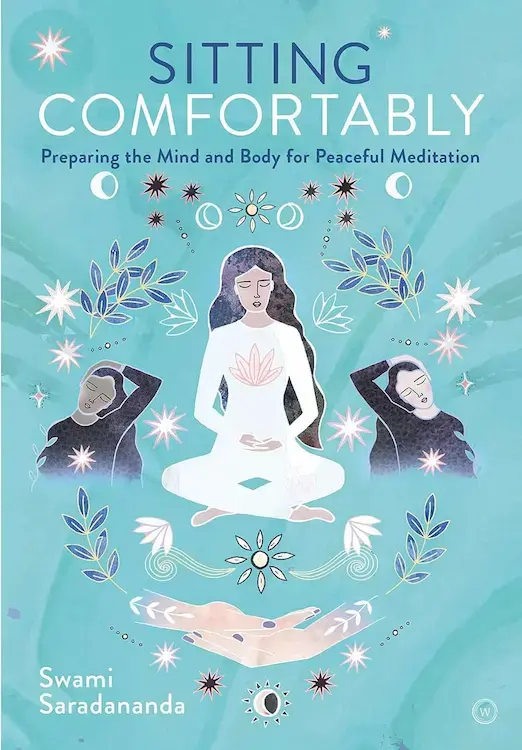
Sitting Comfortably by Swami Saradananda is a comprehensive guide designed to help readers prepare both body and mind for effective meditation practice. The book stands out by focusing not on meditation techniques themselves, but on overcoming the obstacles that prevent comfortable and sustained meditation, making it an essential prequel for beginners and experienced practitioners alike.
Why Meditation Matters
The book begins by exploring the core benefits of regular meditation: increased mindfulness, reduced stress and anxiety, enhanced emotional balance, and a profound sense of inner peace. Swami Saradananda emphasizes that happiness is an internal state, not dependent on external triggers, and meditation is the gateway to experiencing this peace. Regular practice cultivates clarity, insight, and the ability to break free from reactive behavior patterns.
Overcoming Common Obstacles
One of the main reasons people struggle with meditation is physical discomfort while sitting. The book identifies key barriers such as lack of time, self-discipline, excessive distractions, and physical pain. To address these, Saradananda offers practical advice on scheduling meditation regularly, choosing optimal times—preferably at sunrise or sunset—and creating a dedicated, peaceful space free from interruptions.
The Art of Sitting
A unique section details various sitting postures for meditation, from classic cross-legged positions (Sukhãsana, Siddhãsana, Lotus Pose) to alternative options like kneeling (Vajrãsana, Virãsana) and using chairs for those with physical limitations. Maintaining vertical spinal alignment, ensuring knees are lower than hips, and using aids like cushions, mats, and benches are emphasized for comfort and stability. The book explains how props, support, and proper alignment lead to longer, pain-free meditation sessions.
Yoga Poses and Stretches
Swami Saradananda’s background in yoga shines through a dedicated chapter of stretches and yoga poses aimed at preparing the body for meditation. Exercises target the neck, shoulders, back, hips, and legs, addressing common issues like tightness, pain, and pins-and-needles. The practical, step-by-step routines ensure greater flexibility and ease of sitting, making meditation more accessible to all body types.
Breathwork Techniques
Building on physical preparation, the book introduces breathing exercises (Prãnãyãma) to calm the mind and enhance focus. Techniques such as Alternate Nostril Breathing, Kapalabhati (Purifying Breath), and breath-focused visualizations help regulate the nervous system, reduce mental chatter, and bring awareness to the present moment—crucial steps for successful meditation.
Diet and Lifestyle Support
Saradananda recognizes that food and lifestyle choices deeply influence meditation. She categorizes foods by their energetic qualities (sattvic, rajasic, tamasic) and advocates for a diet of natural, wholesome ingredients to cultivate a calm, alert mind. Practicing mindful eating, reducing stimulants, decluttering living spaces, and embracing voluntary silence or electronic fasting are suggested lifestyle shifts to support meditation practice.
Inspiration and Motivation
To foster consistency, the author recommends setting clear intentions, using affirmations, keeping a practice diary, and seeking community through meditation groups (sangha), retreats, and teachers. Gratitude and loving-kindness (metta) practices further enhance motivation and deepen the transformative effects of meditation in everyday life.
Sitting Comfortably is an invaluable resource for anyone wanting to meditate without discomfort, offering actionable advice backed by yoga philosophy for building a sustainable and joyful meditation routine.
100 key points from Sitting Comfortably by Swami Saradananda, organized.
Essential Meditation Preparation
- Regular meditation increases awareness, helping you live in the present moment and reduce anxiety.
- Meditation is a gateway to discovering inner peace and lasting happiness; it is not dependent on external objects or people.
- The process of preparing for meditation is as important as the practice itself; physical discomfort is a major obstacle for beginners.
- Meditation is enhanced by a steady, comfortable sitting posture with the spine erect and natural curves maintained.
- Begin by reading the introduction and overcoming obstacles chapters, then experiment with poses, breathwork, and lifestyle techniques.
- Set a regular time for meditation each day for best results; consistency helps train the mind.
- Sunrise and sunset are ideal meditation times due to the tranquil atmosphere, but modern lifestyles may require adjustments.
- Always wait 2 hours after eating before meditating to avoid drowsiness.
- Begin with small, achievable meditation periods—5–10 minutes—then gradually increase.
- Choose a specific, dedicated meditation space to build a positive association, and keep it clean and peaceful.
Health and Scientific Benefits
- Meditation positively affects the parasympathetic nervous system, reducing stress, blood pressure, and boosting immunity.
- Regular practice improves symptoms of insomnia, anxiety, depression, and chronic pain.
- Meditation can help with coping with chronic illnesses (arthritis, diabetes, obesity, heart diseases) by building inner resilience.
- Meditation increases activity in the prefrontal cortex, insula, and hippocampus, supporting emotion regulation and immunity.
- Meditation is not a replacement for medical care and may require caution for some mental health conditions.
Mindset and Attitude
- Happiness comes from within; triggers are not the source of joy—meditation uncovers true happiness.
- Cultivate the four "sublime attitudes": loving-kindness (Maitrĩ/Metta), compassion (Karunã), joy (Muditã), and equanimity (Upekşhã/Upekkha).
- Avoid seeking signs of progress during meditation; benefits manifest as general life calmness.
- Treat distractions as learning experiences; noticing them is a step toward mindful awareness.
- Be compassionate to yourself and others but emotionally indifferent to negative actions.
Overcoming Obstacles and Distractions
- Common obstacles: lack of time, self-discipline, falling asleep, distractions, physical pain.
- Accept that beginners may face discomfort or restlessness; patience and regularity are key.
- Use yoga stretches and poses to reduce physical barriers like back pain, numbness, or muscle cramps.
- Observe and let go of guilt, anger, and fear during meditation—visualize them dissipating with each breath.
- Manage drowsiness by assessing sleep quality, nutrition, and practicing at optimal times.
- Avoid practicing on soft furniture; sit upright, using mats, cushions, or benches as needed.
- Physical distractions include tingling, twitching, numbness—handle them with breath focus and gentle movement.
- Mental distractions include replaying thoughts, craving, boredom—return focus gently to the breath or mantra.
Posture and Sitting Techniques
- Align the spine, head, shoulders, hips, knees, and feet for the most effective meditation posture.
- Simple Cross-Legged Pose (Sukhãsana) is recommended for beginners; elevate hips using cushions if needed.
- Explore variations: Burmese Pose, Adept’s Pose (Siddhãsana), Half-Lotus (Ardha-Padmãsana), Lotus (Padmãsana).
- Kneeling positions: Thunderbolt (Vajrãsana), Hero (Virãsana), kneeling bench (Seiza) for those with joint discomfort.
- Chair meditation is valid—sit upright, keep thighs parallel, knees below hips, feet flat and never cross legs.
Hand Gestures and Eye Positions
- Mudras (hand gestures) direct subtle energy flow: Chin Mudra, Jnana Mudra, Hridaya Mudra, Bhairava Mudra, Dhyana Mudra, Yoni Mudra, Ganesha Mudra.
- Eye focus options (Drishti): soft focus, gaze downward, candle gaze (Tratak), inner gaze (Shambhavi Mudra).
- Use eye wraps or earplugs for extra sensory withdrawal, aiding deeper meditation.
Physical Preparation: Stretches and Yoga Poses
- Warm up before meditation using leg and foot massage, ankle rotation, and hip openers.
- Back preparation includes Cat Stretch, Spinal Twist, Bridge Pose, and Child’s Pose.
- Alleviate neck and shoulder tension with Bollywood Head Wiggle, Chin Tuck-Back, Shoulder Rolls, Arm/Strap Stretches.
- Address common issues: rounded shoulders, forward-head posture, tension in the upper back.
- Combat lower back pain with Seated Forward Bend, Inclined Plane, Pelvic Tilt, Assisted Bridge, and Mountain Pose.
- Improve hip and knee comfort with Wind-Relieving Pose, Reclining Spinal Twist, Frog, Supine Pigeon, Firewood Pose, Shining Star Pose, Cow’s Head.
- Reduce cramping and pins-and-needles using Toe Squat, Tree Pose, Downward-Facing Dog, Warrior 2, Triangle Pose.
Breathwork for Meditation
- Breath is central to calming the mind: practice nasal breathing, full abdominal expansion, and controlled exhalation.
- Learn Prãnãyãma techniques (Kapalabhati, Alternate Nostril Breathing) for respiratory health and focus.
- Use breath-focused meditation: Watch Your Breath, visualize the Mind as a Lake, overcome distractions, listen to the "So-hum" breath.
- Cleansing practices like Jala Neti (nasal wash) and Nasya (nasal oil) maintain respiratory health.
Diet and Lifestyle Support
- Eat sattvic (pure, wholesome) foods for clarity and vitality; avoid rajasic (stimulating) and tamasic (dulling) foods for optimal meditation.
- Limit caffeine, sugar, and processed foods; avoid mood-altering substances before meditation.
- Mindful eating practices: express gratitude, chew slowly, eat in silence, and avoid multitasking.
- Declutter home and workspace; simplify life to reduce distractions and improve focus.
- Practice voluntary silence (mouna) and schedule regular electronic fasting for inner calm.
Integrating Meditation into Daily Life
- Apply the ethical principles of yamas (non-violence, truthfulness, non-stealing, moderation, non-greed) and niyamas (purity, contentment, austerity, self-study, surrender).
- Embrace selfless service (karma yoga) to cultivate positive energy and compassion.
- Practice moderation—avoid extremes in work, diet, and relationships for sustained inner balance.
- Setting intentions and affirmations help maintain regular practice; track progress with a diary or journal.
- Group meditation and retreats foster community support and motivation for further practice.
- Develop gratitude and loving-kindness (metta) for self and others to deepen meditation and overall wellbeing.
Common Questions Answered
- Progress in meditation is noticed as increased happiness and peace, not supernatural experiences.
- Agitation in meditation is normal and represents purification—trust the process and persist.
- Meditation increases productivity and focus, not just relaxation.
- Muscle cramps may be alleviated through yoga, mineral-rich foods, and electrolyte balance.
- Consistency, patience, and self-compassion are vital for developing and maintaining a meditation practice.
. . .