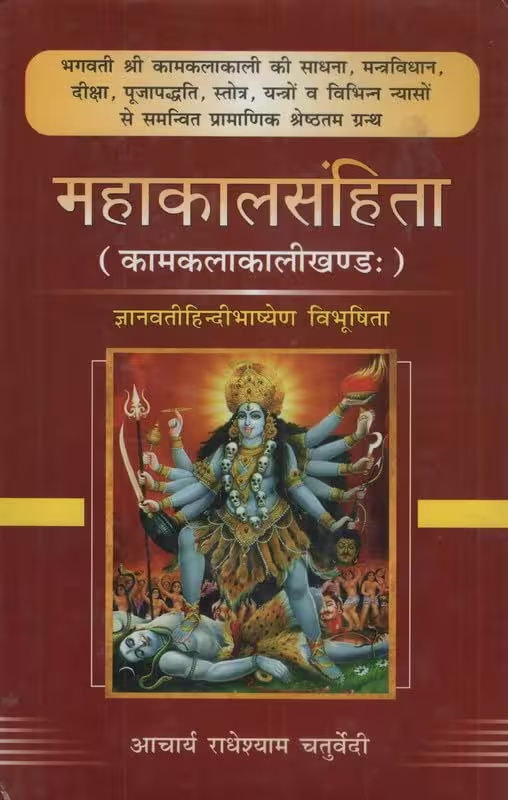
The Mahākāla Saṃhitā is a sacred text centered around the worship, philosophy, and rituals associated with Lord Mahākāla, a fierce and powerful form of Lord Shiva. This scripture delves deep into the tantric traditions, mystical practices, and metaphysical aspects of Mahākāla's divine energy. It is revered by practitioners of Shaivism and Tantric traditions for its in-depth explanation of spiritual disciplines, mantras, and esoteric rituals.
The text elaborates on various aspects of Mahākāla, portraying him as the supreme deity who transcends time and destruction. It discusses his iconography, symbolism, and the benefits of his worship, such as liberation (moksha), protection from negative forces, and material prosperity. The Mahākāla Saṃhitā also provides guidelines on constructing temples, consecrating idols, and performing yajñas (sacrificial rituals) to invoke Mahākāla’s divine presence.
In addition to ritualistic aspects, the text explores profound philosophical ideas related to time, space, and the nature of existence. It presents Mahākāla as the eternal force beyond past, present, and future, making him an embodiment of cosmic truth. The scripture also highlights the importance of discipline, devotion, and inner transformation in attaining spiritual enlightenment.
The Mahākāla Saṃhitā serves as a guide for both ascetics and householders, offering teachings on meditation, mantra chanting, and yogic practices that align one's energy with the supreme consciousness. Through a structured approach to worship, devotees can cultivate spiritual strength, wisdom, and ultimate liberation.
Why You Should Read the Mahākāla Saṃhitā:
- Profound Spiritual Wisdom – The text provides deep insights into Shaivism and Tantric practices, helping seekers understand higher consciousness.
- Guidance on Rituals – For those interested in Vedic and Tantric rituals, it serves as an authoritative guide on pujas, mantras, and temple construction.
- Transformation and Protection – Mahākāla’s worship is believed to remove obstacles, protect from negative energies, and bring spiritual growth.
- Understanding Time and Eternity – The philosophy within the text presents Mahākāla as the master of time, offering a unique perspective on life and death.
- Path to Liberation – It provides methods for attaining moksha (liberation), making it invaluable for spiritual aspirants.
- Practical Yogic Practices – The text includes instructions on meditation and breath control to awaken higher consciousness.
- Ancient Knowledge – As a historical and theological text, it preserves centuries-old wisdom that remains relevant today.
50 Important Points from the Mahākāla Saṃhitā:
- Mahākāla is the supreme aspect of Shiva beyond time and space.
- He is worshipped for protection, wisdom, and liberation.
- His iconography includes a fearsome form with a garland of skulls.
- He is the destroyer of illusions and falsehoods.
- Devotion to Mahākāla grants fearlessness.
- The text outlines secret mantras for invoking Mahākāla’s energy.
- Ritual offerings include black sesame, clarified butter, and sacred ash.
- Midnight is the most auspicious time for Mahākāla worship.
- Tantric sadhana (spiritual practice) is emphasized.
- Meditation on Mahākāla dissolves ego and attachments.
- Mahākāla is beyond birth and death, embodying eternal existence.
- His worship removes past karmic debts.
- The text describes the construction of Mahākāla temples.
- Yajñas (fire rituals) invoke his divine energy.
- Mahākāla’s presence destroys all forms of negativity.
- Offerings of flowers, incense, and food attract his blessings.
- Chanting his name grants mental clarity and spiritual power.
- His worship is beneficial for overcoming fear and uncertainty.
- The text explains different forms of Mahākāla.
- Mahākāla is associated with cremation grounds, symbolizing detachment.
- He is often depicted trampling ignorance.
- Ritual bathing of Mahākāla idols purifies the devotee’s mind.
- Wearing sacred rudraksha beads enhances devotion to Mahākāla.
- He is the protector of yogis and ascetics.
- The text details Mahākāla yantras (sacred geometric diagrams).
- Fasting on certain days strengthens spiritual connection.
- Mahākāla’s energy dissolves material attachments.
- He grants siddhis (spiritual powers) to dedicated practitioners.
- Meditation on Mahākāla aids in transcendental realization.
- The text includes various tantric rituals.
- Worshipping Mahākāla ensures success in spiritual pursuits.
- The use of specific mudras (hand gestures) enhances rituals.
- He is a powerful remover of obstacles.
- Mahākāla’s worship helps in overcoming grief and sorrow.
- The text describes Mahākāla’s connection with the cosmic cycle.
- Chanting his mantras purifies the soul.
- His worship aligns one with cosmic consciousness.
- Mahākāla’s presence destroys negative planetary influences.
- The text explains different sacred sites dedicated to Mahākāla.
- He is the deity of ultimate transformation.
- The presence of Mahākāla nullifies dark forces.
- Devotees gain inner peace through his worship.
- Mahākāla is revered in both Hindu and Buddhist traditions.
- The text emphasizes the importance of guru guidance in Mahākāla worship.
- Certain postures enhance meditation on Mahākāla.
- Offering black-colored items pleases him.
- Mahākāla destroys all illusions of the material world.
- The text elaborates on different aspects of time (kāla).
- Devotion to Mahākāla strengthens willpower.
- Worshiping Mahākāla leads to self-realization.

Download the infographic
. . .