The Complete Book of Yoga by Vimla Lalvani is a comprehensive and accessible guide to understanding and practicing yoga in daily life. Drawing from the ancient roots of yoga and adapting it for modern needs, the book emphasizes yoga’s ability to bring balance, health, and peace to the body and mind. It is designed for readers at all levels, whether beginners or more experienced practitioners.
The book begins with an introduction to the history and philosophy of yoga, exploring its origins in ancient India and its connection to holistic well-being. Lalvani outlines the eight limbs of yoga from Patanjali’s Yoga Sutras—ethical disciplines (yamas and niyamas), physical postures (asanas), breath control (pranayama), sensory withdrawal (pratyahara), concentration (dharana), meditation (dhyana), and ultimate bliss (samadhi). She explains that true yoga is not just physical exercise, but a lifestyle of mindfulness, self-discipline, and harmony.
A large portion of the book is dedicated to physical postures (asanas), which are categorized by their benefits and difficulty levels. Each pose is illustrated with clear photographs and step-by-step instructions. These include standing poses, seated poses, forward bends, backbends, twists, inversions, and relaxation postures. Modifications are offered for different abilities, making the book inclusive and practical.
The breath plays a vital role in yoga practice, and Lalvani devotes an entire section to pranayama—yogic breathing techniques. She teaches readers how to control and deepen the breath to energize the body, calm the mind, and purify the system. Techniques such as alternate nostril breathing, kapalabhati (cleansing breath), and ujjayi (victorious breath) are explained in detail.
Beyond the physical and respiratory practices, the book also emphasizes meditation and the power of the mind. Lalvani introduces various meditative techniques that promote concentration, emotional stability, and inner awareness. She connects these practices to stress management, encouraging readers to integrate meditation into their routines for greater mental clarity and peace.
The book includes specially designed yoga sequences tailored for specific goals—such as flexibility, stress relief, digestion, insomnia, back pain, and weight loss. These sequences are easy to follow and structured for home practice. Additionally, Lalvani discusses the importance of a yogic lifestyle, including healthy diet, proper rest, and positive thinking.
Throughout the book, there is an underlying message that yoga is not about perfection but about progress, presence, and personal transformation. With regular practice, one can develop not only a stronger, more supple body but also a more centered, aware, and compassionate self.
In essence, The Complete Book of Yoga is both a manual and a companion on the journey toward holistic wellness. Vimla Lalvani’s approach is practical, inspirational, and deeply rooted in traditional wisdom. The book empowers readers to make yoga a part of their daily lives, leading them toward physical vitality, emotional balance, and spiritual growth.
100 important points from The Complete Book of Yoga by Vimla Lalvani, organized by topic for clarity:
🧘♀️ Foundations of Yoga
- Yoga originated in ancient India as a spiritual and physical discipline.
- The word "yoga" means union—of body, mind, and spirit.
- True yoga includes ethical living, not just postures.
- Yoga is a lifelong path to health and self-awareness.
- It balances the nervous, endocrine, and muscular systems.
- Yoga supports both physical fitness and mental clarity.
- It can be adapted to any age, body type, or fitness level.
- Yoga is non-competitive—it's about personal progress.
- Regular practice is more effective than intense, irregular effort.
- Yoga requires patience, mindfulness, and compassion.
📜 Eight Limbs of Yoga (Ashtanga Yoga)
- Yama (ethical rules): non-violence, truth, non-stealing, celibacy, non-possessiveness.
- Niyama (personal discipline): cleanliness, contentment, discipline, study, surrender to God.
- Asana (postures): improve strength, flexibility, and balance.
- Pranayama (breathing): controls life energy through breath.
- Pratyahara (withdrawal): turning senses inward.
- Dharana (concentration): one-pointed focus.
- Dhyana (meditation): deep awareness without judgment.
- Samadhi (absorption): blissful union with the divine.
🧍 Yoga Asanas (Postures)
- Each posture serves a specific purpose—flexibility, strength, or healing.
- Mountain pose improves posture and balance.
- Downward dog stretches the spine and hamstrings.
- Cobra pose strengthens the lower back.
- Tree pose enhances balance and concentration.
- Triangle pose opens hips and improves digestion.
- Shoulder stand stimulates the thyroid gland.
- Bridge pose strengthens glutes and lower back.
- Child's pose offers deep relaxation.
- Seated forward bend calms the nervous system.
- Corpse pose is essential for relaxation and integration.
- Perform asanas with awareness, not haste.
- Never force your body into a pose.
- Use props if needed for support and safety.
- Warm-up before deep postures to prevent injury.
- Close your eyes occasionally to improve inner focus.
- End sessions with relaxation to absorb benefits.
🌬️ Pranayama (Breath Control)
- Breath connects the body and mind.
- Deep breathing improves lung capacity and reduces anxiety.
- Alternate nostril breathing balances brain hemispheres.
- Kapalabhati detoxifies and energizes the body.
- Ujjayi breath helps in calming the mind during asanas.
- Practice breathing on an empty stomach.
- Never strain your breath; it should be smooth and gentle.
- Breath awareness deepens meditation and postures.
- Pranayama must be done in a well-ventilated area.
🧠 Meditation and Mental Health
- Meditation helps reduce stress and enhances focus.
- Concentration is cultivated through simple breath awareness.
- Daily meditation rewires the brain for calmness.
- Visualizations can aid in guided relaxation.
- Affirmations boost self-esteem and positivity.
- Let go of judgment during meditation sessions.
- Consistency is more important than duration.
- Morning meditation sets a peaceful tone for the day.
🍎 Yogic Lifestyle
- A balanced diet supports a calm mind.
- Eat light before yoga practice.
- Vegetarian or sattvic diet enhances clarity.
- Hydration is key before and after practice.
- Avoid stimulants like caffeine before yoga.
- Good sleep supports physical and mental wellness.
- Simplicity in life leads to inner peace.
- Cleanliness (internal and external) is part of yogic discipline.
- Cultivate contentment and gratitude.
- Practice moderation in everything.
📅 Yoga for Daily Life
- You can do yoga at home with consistency and discipline.
- Morning practice energizes; evening practice relaxes.
- Even 15–20 minutes daily has major benefits.
- Choose postures based on how your body feels that day.
- Use yoga to relieve common problems like back pain or insomnia.
- Breathing practices are useful during anxiety or panic attacks.
- Yoga helps improve posture in desk-based jobs.
- Yoga can improve athletic performance and recovery.
- Use yoga during menstruation for relief from cramps.
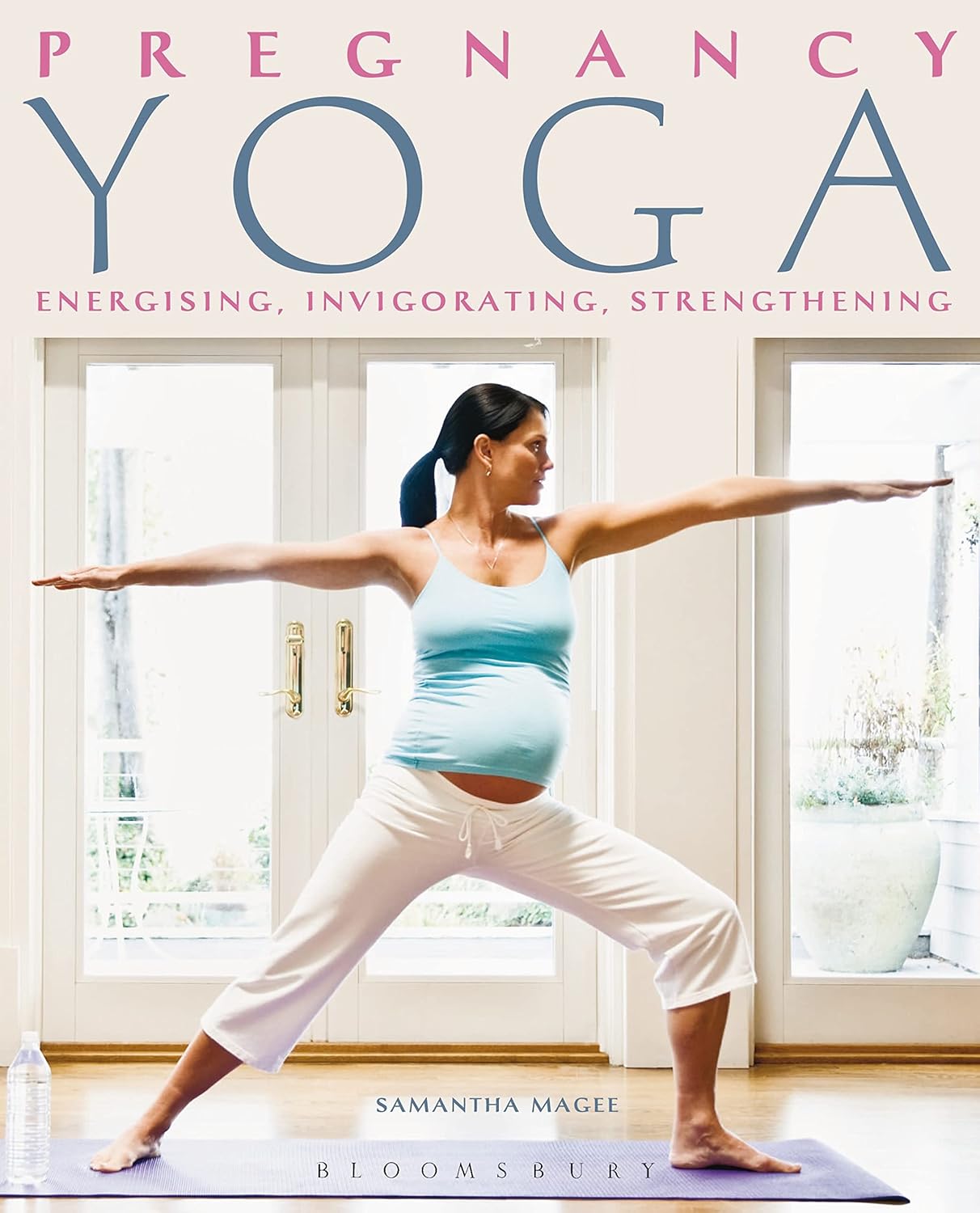
- Prenatal yoga supports pregnancy and childbirth.
- Senior citizens can safely benefit from gentle yoga.
❤️ Emotional and Spiritual Benefits
- Yoga increases self-acceptance.
- It reduces negative emotions like anger and jealousy.
- Regular practice builds emotional resilience.
- Yoga encourages introspection and spiritual inquiry.
- Chanting and sound vibration enhance spiritual growth.
- Yoga teaches surrender—not everything is in our control.
- Forgiveness and compassion grow through inner stillness.
🧰 Tips for Safe and Effective Practice
- Always listen to your body.
- Never practice on a full stomach.
- Practice barefoot for better grounding.
- Use a firm but comfortable mat.
- Choose loose, breathable clothing.
- Avoid distractions—turn off phones and media.
- Practice in a quiet, clean space.
- Consult a doctor before starting if you have medical conditions.
- Stay hydrated but avoid drinking during practice.
- Learn from a certified teacher if possible.
🌟 Inspiration and Growth
- Yoga is a journey, not a goal.
- There is no “perfect pose,” only progress.
- Each day of practice teaches something new.
- Yoga fosters discipline, humility, and inner strength.
- The body is a tool for awakening the soul.
- All bodies are yoga bodies.
- Keep a journal to track physical, mental, and emotional changes.
- Share yoga with friends and family to spread wellness.
- Yoga connects you to your highest self.
- With yoga, life becomes not only healthier—but more meaningful.
. . .