974
9/10


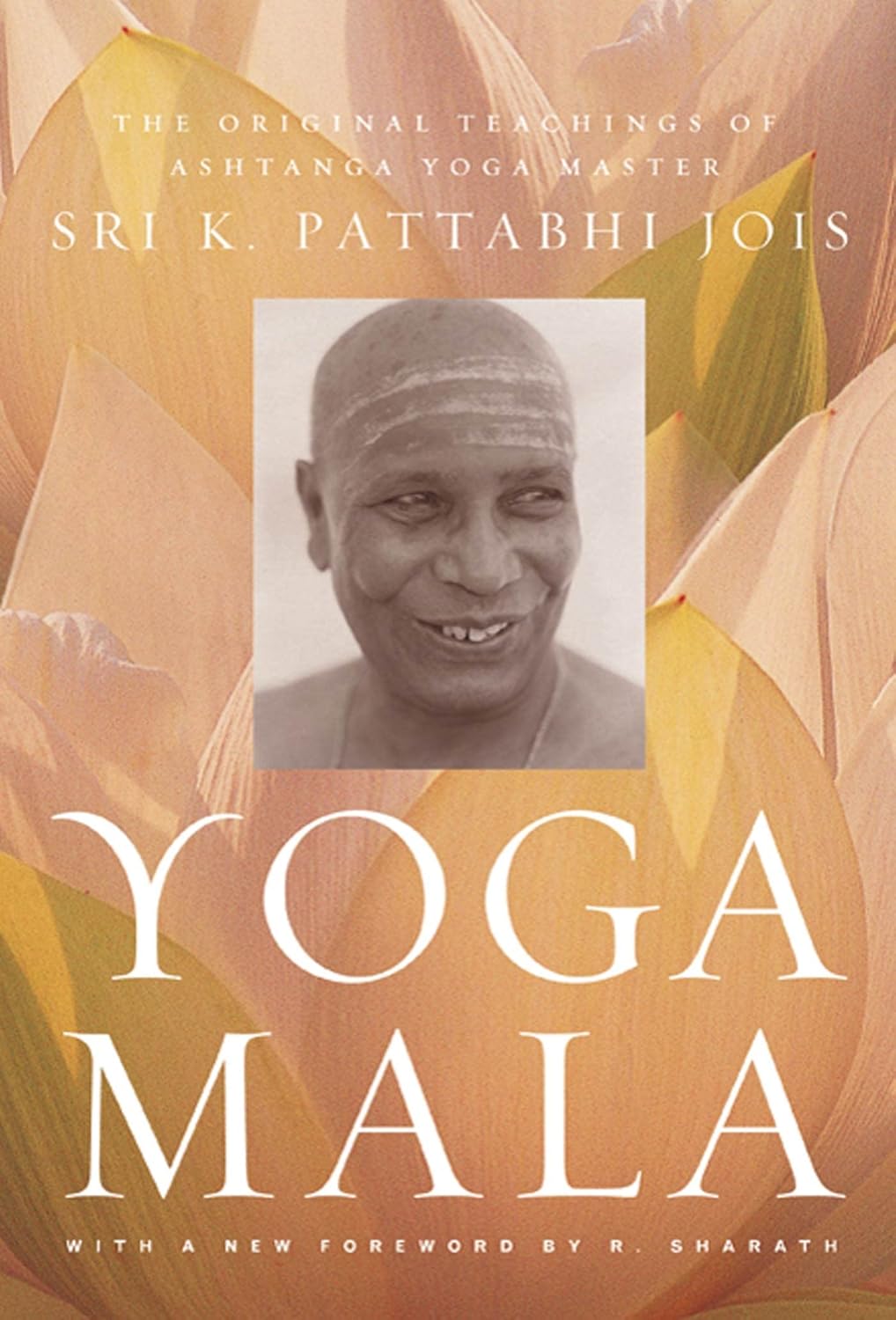
Guruji, Sri K. Pattabhi Jois, dedicated his life to teaching yoga, emphasizing that "Yoga is ninety-nine percent practice and one percent theory." He believed that true understanding comes from engaging in the practice daily, integrating the eight limbs of yoga into one’s life. This includes not only asanas but also the observances of yama and niyama, which guide how we interact with the world and adhere to our moral code. The...
"Yoga Mala" by Sri K. Pattabhi Jois emphasizes the importance of consistent practice in yoga, stating that "Yoga is ninety-nine percent practice and one percent theory." The book outlines the eight limbs of yoga, which include ethical guidelines (yama and niyama), physical postures (asanas), breath control (pranayama), and meditation, all aimed at achieving holistic well-being. Jois highlights the significance of moderation in daily life, advocating for balance in eating, sleeping, and speaking to enhance one's practice. He stresses the role of a Guru in guiding practitioners, ensuring they understand the deeper aspects of yoga. The teachings encourage individuals to remain focused and disciplined, as this dedication leads to spiritual growth and self-realization. Ultimately, "Yoga Mala" serves as a comprehensive guide for both beginners and experienced practitioners, illustrating how yoga can transform the body, mind, and spirit, fostering peace and self-awareness.
200 important points derived from the Yoga Mala:
1. The journey of yoga begins with peace, health, radiance, and self-knowledge.
2. Translators aimed to maintain fidelity to the original text in style and content.
3. Guruji made revisions and additions to enhance clarity and accuracy.
4. New descriptions of yoga postures were included in the revised edition.
5. Footnotes were added to aid reader understanding.
6. Guruji's changes were reviewed and approved by him.
7. He dedicated his life to teaching yoga, often in secrecy from his family.
8. Guruji left for Mysore without informing his family, indicating his commitment.
9. He taught yoga without seeking fame or recognition.
10. Guruji instructed thousands globally and trained many to become teachers.
11. The method in the book reflects the teachings at his Mysore institute.
12. Future generations are encouraged to preserve traditional yogic knowledge.
13. Guruji's dedication laid a strong foundation for modern yoga practice.
14. It is our duty to build upon Guruji's foundation of yoga.
15. Yoga should be practiced in its purest form, undiluted by modern influences.
16. Guruji dedicated ninety-three years to teaching yoga.
17. His teachings inspire us to continue the practice of yoga.
18. The sacred texts (shastra) guide our actions in the world.
19. Understanding scriptures is vital for personal upliftment.
20. Neglecting scriptures leads to ruin and a loss of moral direction.
21. The householder stage of life has specific spiritual considerations.
22. Seminal loss does not necessarily endanger brahmacharya for householders.
23. Accurate knowledge of yoga is essential for aspirants.
24. The book aims to correct misconceptions about yoga.
25. Yoga should be practiced according to scriptures for true benefits.
26. Demonstrating yoga practices is crucial for effective teaching.
27. The goal of yoga is to benefit the universe through shared knowledge.
28. The importance of regional languages in disseminating yoga wisdom is emphasized.
29. Yoga is described as an ethic, discipline, and spiritual path.
30. The aim of yoga is the purification of mind and body.
31. The book references authoritative texts like Patanjali’s Yoga Sutras.
32. Guruji's teachings are based on extensive research of ancient texts.
33. Vinyasa karma links breath and movement in yoga practice.
34. Guruji taught tirelessly for seventy years at his institute.
35. "Yoga is ninety-nine percent practice and one percent theory" is a key principle.
36. Practical engagement in yoga is necessary for understanding.
37. The eight limbs of yoga include asanas, yama, and niyama.
38. Yama and niyama guide moral conduct and awareness in the world.
39. Following observances leads to becoming a good yogi.
40. The book serves as an introduction to the elements of yoga.
41. Yoga has therapeutic value and can address various illnesses.
42. The practice of yoga is beneficial for mental health.
43. Knowledge of restraints and controls is necessary for yoga practice.
44. The book aims to make yoga accessible to a wider audience.
45. The importance of accurate translations of yoga texts is highlighted.
46. The book encourages the preservation of cultural treasures.
47. Guruji's life exemplifies dedication to yoga from a young age.
48. Early morning practices included chanting, prayers, and asanas.
49. The teachings are intended for the benefit of all.
50. The book is a right effort in expounding yoga wisdom.
51. The significance of Sanskrit texts in yoga is acknowledged.
52. The book aims to correct fears and inaccuracies about yoga.
53. The practice of yoga is linked to spiritual liberation (mukti).
54. The importance of community in yoga practice is emphasized.
55. Guruji's teachings are rooted in authentic yogic philosophy.
56. The book encourages readers to experience yoga's fruits.
57. The role of a teacher is to guide students on the proper path.
58. The book is a compilation of yoga practices and philosophies.
59. The significance of breath control in yoga is discussed.
60. The book addresses common misconceptions about yoga.
61. The practice of yoga is a lifelong journey.
62. The importance of discipline in yoga practice is emphasized.
63. Guruji's teachings are relevant in modern times.
64. The book serves as a bridge between ancient wisdom and contemporary practice.
65. The role of yoga in personal transformation is highlighted.
66. The importance of community support in yoga is acknowledged.
67. The book encourages a holistic approach to health and wellness.
68. The significance of self-knowledge in yoga practice is emphasized.
69. The book aims to inspire future generations of yogis.
70. The teachings promote a balanced lifestyle through yoga.
71. The importance of consistency in yoga practice is discussed.
72. The book encourages mindfulness in daily life.
73. The role of meditation in yoga is highlighted.
74. The significance of physical postures (asanas) in yoga is emphasized.
75. The book addresses the integration of yoga into daily routines.
76. The importance of setting intentions in yoga practice is discussed.
77. The book encourages self-reflection and personal growth.
78. The significance of gratitude in yoga practice is emphasized.
79. The role of compassion in yoga is highlighted.
80. The book promotes the idea of yoga as a way of life.
81. The importance of adaptability in yoga practice is discussed.
82. The book encourages exploration of different yoga styles.
83. The significance of community engagement in yoga is acknowledged.
84. The role of yoga in stress management is emphasized.
85. The book addresses the importance of self-care in yoga practice.
86. The significance of balance in physical and mental health is discussed.
87. The book encourages the exploration of yoga philosophy.
88. The importance of ethical conduct in yoga practice is emphasized.
89. The role of yoga in fostering resilience is highlighted.
90. The book promotes the idea of yoga as a tool for social change.
91. The significance of personal responsibility in yoga practice is discussed.
92. The book encourages the cultivation of positive habits through yoga.
93. The importance of self-discipline in achieving yoga goals is emphasized.
94. The role of yoga in enhancing creativity is highlighted.
95. The book addresses the importance of community building in yoga.
96. The significance of cultural exchange in yoga practice is acknowledged.
97. The book encourages the exploration of yoga's historical roots.
98. The importance of inclusivity in yoga practice is emphasized.
99. The role of yoga in promoting mental clarity is discussed.
100. The book promotes the idea of yoga as a lifelong commitment.
101. The significance of personal experience in yoga practice is highlighted.
102. The book encourages the exploration of different meditation techniques.
103. The importance of self-acceptance in yoga practice is emphasized.
104. The role of yoga in fostering emotional intelligence is discussed.
105. The book addresses the importance of setting realistic goals in yoga.
106. The significance of community support in achieving yoga goals is acknowledged.
107. The book encourages the exploration of yoga's therapeutic applications.
108. The importance of self-awareness in yoga practice is emphasized.
109. The role of yoga in enhancing physical fitness is highlighted.
110. The book promotes the idea of yoga as a means of self-discovery.
111. The significance of patience in yoga practice is discussed.
112. The book encourages the exploration of yoga's spiritual dimensions.
113. The importance of balance between effort and ease in yoga is emphasized.
114. The role of yoga in fostering a sense of belonging is highlighted.
115. The book addresses the importance of maintaining a positive mindset in yoga.
116. The significance of personal growth through yoga practice is acknowledged.
117. The book encourages the exploration of yoga's impact on relationships.
118. The importance of self-reflection in deepening yoga practice is emphasized.
119. The role of yoga in promoting overall well-being is discussed.
120. The book promotes the idea of yoga as a path to inner peace.
121. The significance of mindfulness in enhancing yoga practice is highlighted.
122. The book encourages the exploration of yoga's impact on lifestyle choices.
123. The importance of community involvement in yoga practice is emphasized.
124. The role of yoga in fostering a sense of purpose is discussed.
125. The book addresses the importance of celebrating progress in yoga practice.
126. The significance of personal accountability in yoga practice is acknowledged.
127. The book encourages the exploration of yoga's role in personal empowerment.
128. The importance of self-care practices in yoga is emphasized.
129. The role of yoga in enhancing interpersonal skills is highlighted.
130. The book promotes the idea of yoga as a means of fostering connection.
131. The significance of gratitude practices in yoga is discussed.
132. The book encourages the exploration of yoga's impact on mental health.
133. The importance of self-compassion in yoga practice is emphasized.
134. The role of yoga in promoting emotional well-being is highlighted.
135. The book addresses the importance of finding joy in yoga practice.
136. The significance of personal values in guiding yoga practice is acknowledged.
137. The book encourages the exploration of yoga's impact on self-esteem.
138. The importance of community celebrations in yoga practice is emphasized.
139. The role of yoga in fostering a sense of adventure is discussed.
140. The book promotes the idea of yoga as a means of cultivating resilience.
141. The significance of personal boundaries in yoga practice is highlighted.
142. The book encourages the exploration of yoga's role in self-expression.
143. The importance of maintaining a sense of humor in yoga practice is emphasized.
144. The role of yoga in enhancing problem-solving skills is discussed.
145. The book addresses the importance of nurturing creativity through yoga.
146. The significance of personal integrity in guiding yoga practice is acknowledged.
147. The book encourages the exploration of yoga's impact on life satisfaction.
148. The importance of community service in yoga practice is emphasized.
149. The role of yoga in fostering a sense of adventure is highlighted.
150. The book promotes the idea of yoga as a means of cultivating joy.
151. The significance of personal growth through challenges in yoga practice is discussed.
152. The book encourages the exploration of yoga's role in building confidence.
153. The importance of self-discipline in achieving personal goals is emphasized.
154. The role of yoga in enhancing focus and concentration is highlighted.
155. The book addresses the importance of finding balance in life through yoga.
156. The significance of personal reflection in deepening yoga practice is acknowledged.
157. The book encourages the exploration of yoga's impact on overall happiness.
158. The importance of community support in overcoming challenges is emphasized.
159. The role of yoga in fostering a sense of belonging is discussed.
160. The book promotes the idea of yoga as a means of personal transformation.
161. The significance of self-awareness in enhancing relationships is highlighted.
162. The book encourages the exploration of yoga's role in fostering empathy.
163. The importance of maintaining a positive attitude in yoga practice is emphasized.
164. The role of yoga in promoting self-acceptance is discussed.
165. The book addresses the importance of celebrating diversity in yoga practice.
166. The significance of personal growth through collaboration in yoga is acknowledged.
167. The book encourages the exploration of yoga's impact on life balance.
168. The importance of community engagement in promoting wellness is emphasized.
169. The role of yoga in fostering a sense of gratitude is highlighted.
170. The book promotes the idea of yoga as a means of enhancing well-being.
171. The significance of personal values in guiding yoga practice is discussed.
172. The book encourages the exploration of yoga's role in fostering connection.
173. The importance of self-care in maintaining a healthy lifestyle is emphasized.
174. The role of yoga in enhancing emotional resilience is highlighted.
175. The book addresses the importance of finding joy in the journey of yoga.
176. The significance of personal accountability in achieving yoga goals is acknowledged.
177. The book encourages the exploration of yoga's impact on self-discovery.
178. The importance of community support in achieving personal growth is emphasized.
179. The role of yoga in fostering a sense of purpose is discussed.
180. The book promotes the idea of yoga as a means of cultivating inner peace.
181. The significance of mindfulness in enhancing overall well-being is highlighted.
182. The book encourages the exploration of yoga's role in personal empowerment.
183. The importance of self-reflection in deepening understanding of yoga is emphasized.
184. The role of yoga in promoting mental clarity is discussed.
185. The book addresses the importance of maintaining a positive mindset in yoga practice.
186. The significance of personal growth through challenges in yoga is acknowledged.
187. The book encourages the exploration of yoga's impact on relationships.
188. The importance of community involvement in fostering connection is emphasized.
189. The role of yoga in enhancing self-esteem is highlighted.
190. The book promotes the idea of yoga as a means of fostering resilience.
191. The significance of personal integrity in guiding yoga practice is discussed.
192. The book encourages the exploration of yoga's impact on life satisfaction.
193. The importance of community celebrations in promoting wellness is emphasized.
194. The role of yoga in fostering a sense of adventure is highlighted.
195. The book addresses the importance of nurturing creativity through yoga.
196. The significance of personal boundaries in guiding yoga practice is acknowledged.
197. The book encourages the exploration of yoga's role in self-expression.
198. The importance of maintaining a sense of humor in yoga practice is emphasized.
199. The role of yoga in enhancing problem-solving skills is discussed.
200. The book promotes the idea of yoga as a means of cultivating joy and fulfillment.
These points encapsulate the essence of the teachings and philosophies presented in the book.