

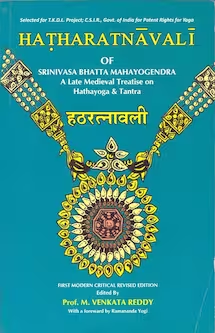
Hatharatnavali By Srinivasayogi Image
9/10 942 views Updated: 1 week ago

Hatharatnavali By Srinivasayogi

Hatha Ratnavali is a profound classical text on Hatha Yoga by Srinivasa Yogi, offering rare insights into advanced yogic practices. It covers 84 asanas, intricate mudras, and purification techniques, emphasizing the balance of energies and preparation for higher meditative states. The text critiques traditional works like Hatha Pradipika, presenting unique contributions such as cakrikarma and variations of cleansing rituals. B...

Hatha Ratnavali: The Lost Jewel of Yoga Wisdom

If ancient manuscripts could whisper secrets, Hatha Ratnavali would be a wise sage, eager to share profound insights into the ancient science of Hatha Yoga. Penned by the enigmatic yogi Srinivasa, this text is a hidden gem—a lighthouse for modern yogis seeking authentic teachings beyond Instagram aesthetics.

While the Hatha Pradipika may be the more famous sibling, Hatha Ratnavali offers the deeper dive: intricate descriptions of 84 postures, rare mudras, cleansing rituals, and secrets that bridge the gap between body, breath, and spirit. The book elegantly intertwines spiritual wisdom and meticulous guidance, making it both a philosophical treatise and a practical handbook.


Why You Should Read It

Because you crave more than surface-level yoga. You want ancient wisdom served straight, raw, and transformative. In a world cluttered with fitness apps and wellness buzzwords, this text takes you back to yoga's rebellious roots—a time when yogis sat in Himalayan caves contemplating the universe, not counting calories.

  • Rare Asanas: Descriptions of obscure poses never seen on the covers of yoga magazines. Think Baddhakeki and Pindamayura—positions with the power to transform the body and the mind.
  • Esoteric Teachings: Mystical concepts like the purification of chakras and the sacred art of samadhi (ultimate absorption).
  • Bold Critique: Srinivasa wasn’t afraid to challenge even revered texts like Hatha Pradipika. His fierce individualism reminds us that tradition thrives when questioned, not blindly followed.
  • Practical Wisdom: From dietary advice to breathing techniques that unlock hidden vitality, this text empowers readers with actionable insights.


33 Important Points from the Hatha Ratnavali

Chapter 1: Foundations of Hatha Yoga

  1. Yoga is classified into four paths: Mantra Yoga, Laya Yoga, Raja Yoga, and Hatha Yoga.
  2. Hatha Yoga emphasizes balancing the solar and lunar energies within the body.
  3. Eight purification techniques (astakarmas) are detailed, surpassing the traditional six.
  4. Nauli is described as having two forms—bahya and antara—a rare distinction.
  5. Importance is given to cakrikarma, a neglected but powerful cleansing practice.
  6. Proper diet (mitahara) is emphasized, warning against overeating and unhealthy foods.
  7. Guidelines are provided for constructing a tranquil yoga hut to enhance practice.
  8. Lists of great yogis who conquered death through Hatha Yoga are included for inspiration.
  9. Cleansing techniques are linked to the purification of specific chakras.
  10. The ultimate goal of Hatha Yoga is to prepare the body and mind for Raja Yoga.

Chapter 2: Kumbhakas and Mudras

  1. Nine types of kumbhakas (breath retentions) are described, including the rare Bhujangikarana.
  2. Uddiyana is referred to as bahyoddyana (external lock).
  3. Vajroli and Khecari mudras are explained in exquisite detail.
  4. Uncommon synonyms for energy channels (nadis) are presented.
  5. The importance of a guru-disciple relationship is stressed for advanced practices.
  6. Emphasis is placed on the role of mudras in awakening dormant energy.

Chapter 3: Asanas (Postures)

  1. A comprehensive list of 84 asanas is provided—far more than most classical texts.
  2. Detailed techniques for 36 unique asanas are described.
  3. Uncommon asanas like Baddhakeki, Pindamayura, and Phanindrasa are introduced.
  4. The therapeutic benefits of asanas are highlighted, such as curing spleen disorders and enhancing digestion.
  5. Variations of popular poses like Padmasana and Mayurasana are described.

Chapter 4: Samadhi and Spiritual Progress

  1. Techniques for attaining samadhi are outlined, including nadanusandhana (sound meditation).
  2. Four stages of spiritual progress are detailed: Arambha, Ghata, Parichaya, and Nispatti.
  3. Philosophical discussions on pinda (microcosm) and brahmanda (macrocosm) are included.
  4. The role of sound (nada) in spiritual evolution is emphasized.

Therapeutic Benefits Highlighted in the Text

  1. Nauli improves digestion and removes disorders of the three humors.
  2. Neti enhances eyesight and removes diseases above the neck.
  3. Kapala Bhati alleviates phlegm and bilious disorders.
  4. Basti cleanses the colon and balances bodily humors.
  5. Pranayama purifies the nadis and alleviates all diseases.
  6. Matsyendrasana strengthens the spine and enhances gastric fire.
  7. Pascimatana stimulates digestion and reduces belly fat.
  8. Savasana relieves fatigue and promotes mental steadiness.


Final Thought: A Journey Worth Taking

Hatha Ratnavali is not just a book; it’s a map for seekers ready to explore yoga’s uncharted territories. It invites readers to sit with ancient wisdom, challenge modern assumptions, and find a path that resonates with their deepest selves. If you're serious about yoga, this text belongs on your shelf—and in your practice.



. . .

Related Books Reviews