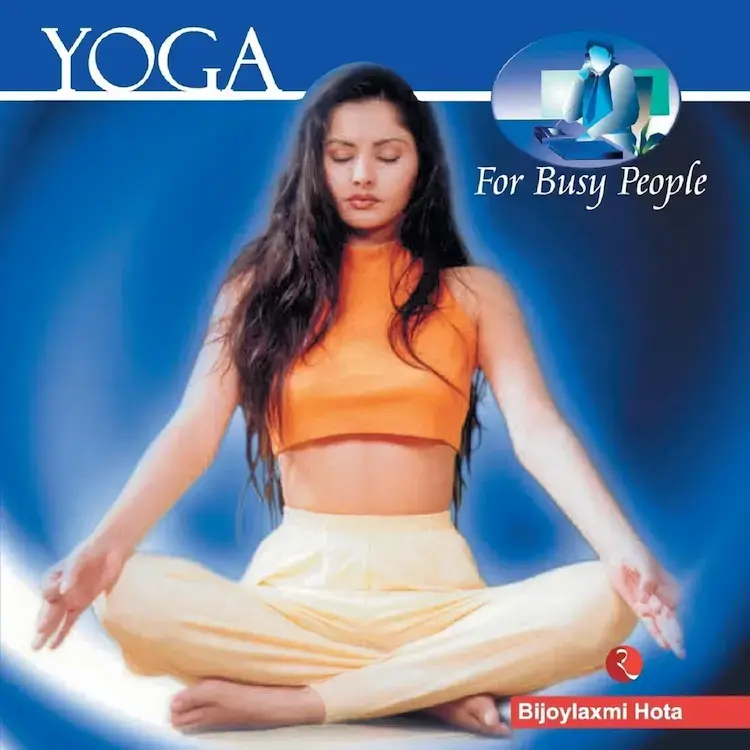
Yoga for Busy People by Bijoylaxmi Hota is both a personal testament and a practical handbook on using yoga to maintain physical, mental, and emotional well-being despite the pressures of a modern, fast-paced lifestyle. Drawing from her own health struggles—ranging from calcium deficiency and convulsions to severe digestive problems—Hota illustrates yoga’s remarkable capacity to restore health where conventional medicine fell short. These experiences led her to study yoga deeply and later teach it, helping others overcome chronic conditions like high blood pressure, diabetes, headaches, spondylitis, and even tumors.
The book is structured around real-life situations faced by busy individuals and offers precise yogic solutions for each. For frequent travelers, Hota recommends the Pawanmuktasana series to improve circulation and prevent problems like deep vein thrombosis. For office workers, she details stretches and asanas like Tadasana and Bhujangasana to relieve back tension and correct posture. She includes techniques to relax before meals, ensure proper digestion, and enhance focus and calm during meetings through breathing exercises and mantras.
Hota also addresses lifestyle-specific issues such as low energy in the evenings, stress management, and the importance of deep rest. She prescribes practices like Kapalbhati, Agnisar Kriya, and mantra meditation for rejuvenation and mental clarity. For deep relaxation, she emphasizes Yoganidra, which she claims can provide the restorative benefits of two hours of sleep in just 30 minutes.
The text also delves into yogic cleansing techniques (Laghoo Shankh Prakshyalan, Kunjal, Neti) to detoxify the body, improve digestion, and boost immunity. Hota links physical health to emotional and mental balance, recommending right-brain stimulating activities like music, dance, laughter, and painting to counteract over-reliance on logic-driven, left-brain functions. She stresses moderation in diet, warning against excessive consumption of water, raw salads, coffee, tea, vitamins, or protein, and provides healthier alternatives to common over-the-counter medications.
Importantly, the book offers a practical “Step-by-Step” yoga program that can be followed daily, even with limited time. It includes short routines combining postures, breathing exercises, and relaxation techniques that can be completed in 15–25 minutes. Weekend cleansing rituals are also suggested for deeper rejuvenation.
Hota continually emphasizes that yoga is not merely a physical exercise but a complete system that works on the body, energy, mind, emotions, and spirit simultaneously. The goal is harmony among these aspects, which she believes is the true definition of health. She warns that ailments strike without regard for one’s busyness, and prevention through regular yoga is far better than cure.
In essence, Yoga for Busy People distills traditional yogic wisdom into accessible, time-efficient practices for modern life. Through relatable stories, clear instructions, and holistic advice, Hota makes a compelling case that even the busiest person can—and should—make yoga a daily habit to achieve long-term vitality, resilience, and inner peace.
100 key points distilled from Yoga for Busy People by Bijoylaxmi Hota:
Part 1 – Yoga’s Healing Power & Philosophy
- The author overcame severe calcium deficiency and digestive failure through yoga.
- Yoga cured her insomnia, anemia, cysts, palpitations, and backache.
- Chronic diseases like high blood pressure and spondylitis can improve within 7–10 days with yoga.
- Yoga has helped cases of tumors and cancer when medical treatments failed.
- Yoga addresses all aspects—physical body, energy body, mind, emotions, and spirit.
- Perfect health means harmony among all aspects of a person.
- Disharmony in one area affects the whole system.
- Yoga works simultaneously on body, mind, and energy systems.
- Even the busiest people are vulnerable to sudden illness.
- Prevention is better than cure—start yoga before health declines.
Part 2 – Practical Yoga for Everyday Situations
- Long flights can cause blood clots—prevent with Pawanmuktasana.
- Neck and back problems are common from prolonged sitting.
- Tadasana relieves spinal nerve pressure and stretches the body.
- Bhujangasana strengthens the back and corrects vertebral alignment.
- Before eating, relax to prevent stress-related digestive damage.
- Eat when the right nostril is active for optimal digestion.
- Vajrasana after meals aids digestion by pooling blood near the stomach.
- Mental relaxation before meetings improves recall and focus.
- Abdominal breathing increases oxygen and calms the mind.
- Mantra repetition can slow the heart and reduce nervousness.
Part 3 – Energy, Vitality & Health
- Overexercise can harm the body—yoga conserves energy instead.
- Suryanamaskar tones all systems of the body.
- Yoga promotes flexibility over muscle bulk.
- Prana is the life force stored in chakras and distributed throughout the body.
- Asanas activate chakras, preventing energy depletion.
- Shashankasana calms the mind and controls anger.
- Shavasana quickly relaxes the whole body.
- Nadisodhan Pranayama clears energy blockages.
- Mental fatigue can be reversed by oxygenating the system.
- Agnisar Kriya and Kapalbhati energize the body.
Part 4 – Stress Management
- Stress can be beneficial in emergencies but harmful when chronic.
- Continuous stress damages relationships, health, and efficiency.
- Meditation is a proven stress-reduction tool.
- Mantra meditation suits busy modern people due to its simplicity.
- Benefits of meditation include lower blood pressure, reduced heart rate, and deep relaxation.
- Meditation improves emotional stability and mental clarity.
- Om meditation is a powerful anti-depressant.
- Choose a mantra carefully and stick to it.
- Avoid psychic mantras without guidance.
- Meditation can be done anywhere, even while commuting.
Part 5 – Deep Rest & Sleep
- Modern people rarely get true deep sleep due to constant mental activity.
- Poor sleep leads to premature aging and tension-related illnesses.
- Yoganidra offers the benefits of two hours of sleep in 30 minutes.
- Yoganidra induces alpha brain waves, a restorative state.
- It can help break habits, reprogram the mind, and reduce pain.
- Practising before bed improves night sleep quality.
- Can also be used during the day after a light stomach.
- Includes body scan relaxation, visualization, and positive resolution.
- Can help solve problems through subconscious processing.
- A recorded guide enhances practice.
Part 6 – Cleansing & Detoxification
- Constipation and toxins cause chronic diseases.
- Laghoo Shankh Prakshyalan cleanses the digestive system.
- Should be done fortnightly in the morning before food.
- Use warm salted water and specific asanas for flushing.
- Kunjal (induced vomiting) strengthens digestion and removes harmful food.
- Neti clears nasal passages and improves oxygen intake.
- Cleansing improves skin, immunity, and organ health.
- Avoid these practices with high blood pressure unless guided.
- Kapalbhati after Neti removes remaining water from sinuses.
- Detoxification is essential for long-term vitality.
Part 7 – Right Brain Activities
- The right brain handles creativity and emotions; busy people overuse the left brain.
- Music soothes the mind, boosts memory, and resonates with chakras.
- Classical or soft music is preferred over rock.
- Dance activates chakras and enhances emotional well-being.
- Laughter boosts heart health and immunity.
- Artificial laughter can trigger real chemical benefits.
- Painting can heal—colors affect emotions and body systems.
- Red boosts energy and digestion.
- Blue calms the mind and body.
- Green supports heart health and relaxation.
Part 8 – Moderation & Lifestyle
- Too much water can deplete sodium and minerals.
- Excess raw salad can affect thyroid function.
- High-protein diets can cause gout and arthritis.
- Overuse of soy can disturb thyroid balance.
- Excess vitamins can cause toxicity and organ damage.
- Too much calcium stiffens joints in old age.
- Coffee and tea in excess harm bones and nerves.
- Overexercise lowers immunity.
- Even excessive meditation can harm digestion.
- Surround yourself with positive objects and smells.
Part 9 – Avoiding Harmful Drugs
- Overuse of painkillers damages digestion and increases dependency.
- Long-term aspirin use can cause bleeding.
- Antacids may contain harmful aluminum.
- Anti-hypertensives can cause impotence and constipation.
- Sleeping pills reduce restorative REM sleep.
- Antibiotics destroy gut flora.
- Nasal decongestants can damage nasal lining.
- Use yogic alternatives wherever possible.
- Neti can replace nasal sprays.
- Om chanting can relieve pain naturally.
Part 10 – Practice Guidelines
- Practise yoga on an empty stomach.
- Face east or north while practising.
- Avoid yoga during fever.
- Don’t force the body beyond limits.
- Loose clothing aids movement and skin breathing.
- Women should avoid asanas during the first four days of menstruation.
- Yoga can be practised any time of day, not just mornings.
- Regularity is key—practice at least three times a week.
- Use the step-by-step weekly program for gradual progress.
- Perseverance ensures lasting health and well-being.
. . .