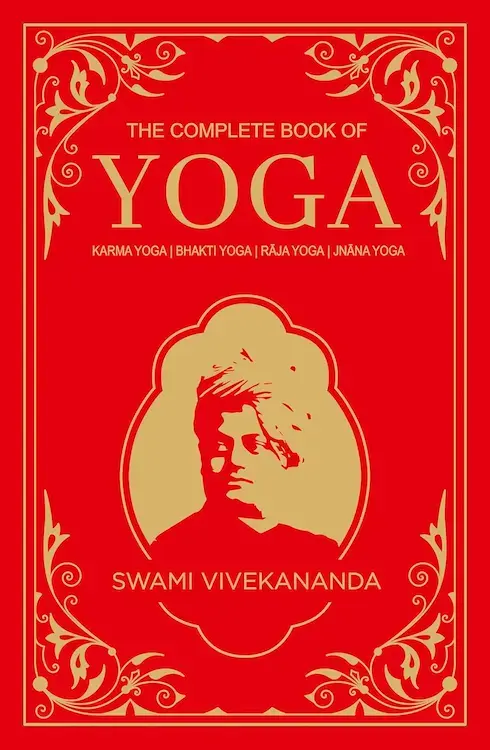
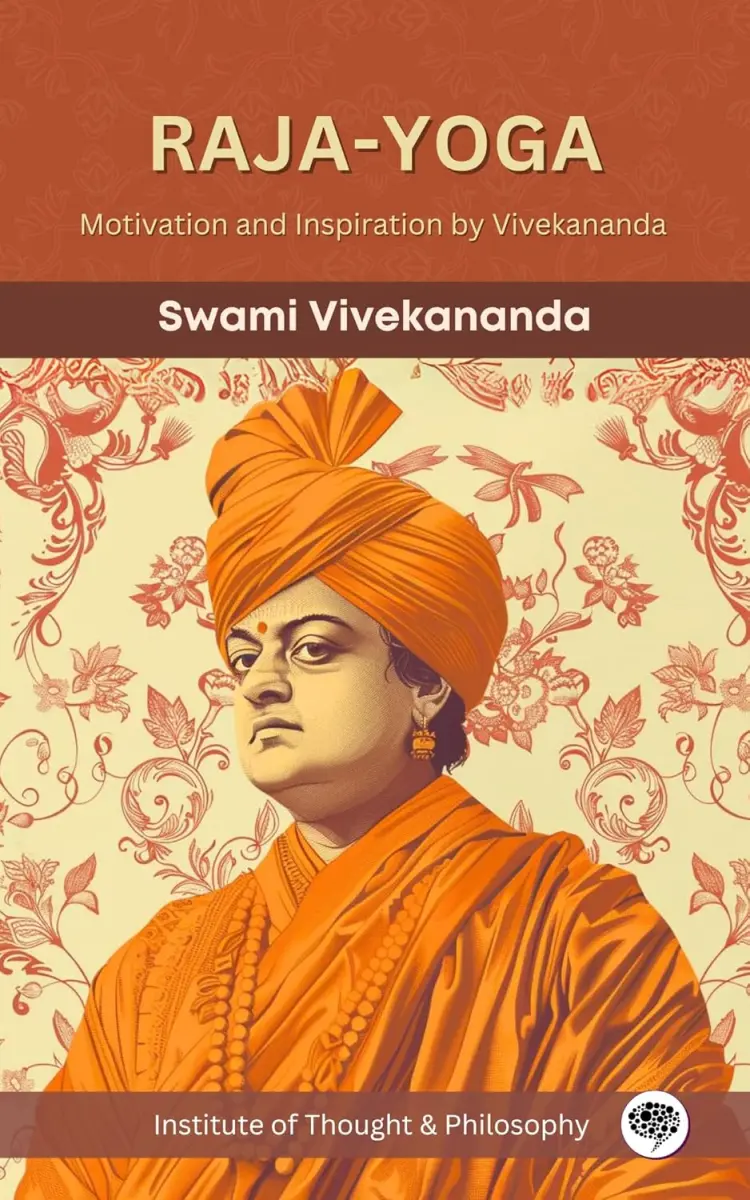
The Complete Book of Yoga by Swami Vivekananda is a profound guide that presents the essence of India’s spiritual tradition through the lens of four major paths of Yoga: Karma Yoga, Bhakti Yoga, Rāja Yoga, and Jnāna Yoga. These paths represent different approaches to spiritual realization based on an individual’s temperament, yet all lead to the same ultimate goal—liberation and union with the Absolute Self (Ātman).
Karma Yoga, or the path of selfless action, teaches that individuals must perform their duties without attachment to outcomes. Actions, whether good or bad, leave impressions (karma) on the mind and keep the soul in bondage. Only when action is done without desire for personal gain does it purify the mind and lead to spiritual growth. The Karma Yogi adopts the mantra “Not I, but Thou,” dedicating all work to the divine and serving humanity as a form of worship.
Bhakti Yoga, the path of devotion, emphasizes love toward a personal God. It is the most natural and accessible path, driven by intense emotion and surrender. Love in its purest form is fearless, selfless, and not driven by reward. The Bhakta (devotee) seeks God not out of fear or desire, but from overwhelming love. The practice includes prayer, chanting, and choosing a personal deity or ideal as the focus of all emotional energy.
Rāja Yoga is the scientific path of meditation and control over the mind. Drawing heavily from Patanjali’s Yoga Sutras, it includes practices such as Prāṇāyāma (breath control), Dhāraṇā (concentration), Dhyāna (meditation), and Samādhi (absorption). Rāja Yoga is especially suited for those who want practical techniques for mastering thought, energy, and consciousness. It provides the tools to penetrate the layers of the mind and realize the inner Self.
Jnāna Yoga, the path of knowledge, is the most challenging and philosophical. It requires deep introspection and discrimination between the real and unreal. Through reasoning, study of scriptures, and meditation, the seeker realizes that the Atman (Self) is eternal and that the world is Maya (illusion). This realization leads to detachment from desires and identification with the Absolute.
Throughout the book, Vivekananda repeatedly stresses that all knowledge is already within us. The purpose of Yoga is not to acquire something new, but to remove ignorance and reveal what already exists. The true Self is divine, perfect, and free—it simply needs to be uncovered.
Swami Vivekananda also emphasizes the importance of harmony and balance between the different Yogas. A complete spiritual life often integrates aspects of all four paths. Moreover, he stresses the need for strength, fearlessness, and self-reliance in spiritual practice, denouncing weakness and dependence.
By demystifying spiritual knowledge and presenting it in a systematic and rational manner, The Complete Book of Yoga empowers readers across all backgrounds to begin their journey toward self-realization and inner freedom.
100 important points from The Complete Book of Yoga by Swami Vivekananda, covering the essence of Karma Yoga, Bhakti Yoga, Rāja Yoga, and Jnāna Yoga:
🔷 General & Foundational Concepts
- Yoga means “union” – of the individual self with the Absolute.
- All paths of Yoga aim at realizing the true Self (Ātman).
- Ignorance (Avidyā) is the root cause of human bondage.
- The soul is ever free, perfect, and divine.
- The goal of life is to realize this inner divinity.
- Abhyāsa (practice) and Vairāgya (detachment) are essential.
- The different Yogas are suited to different temperaments.
- Liberation (Moksha) is the cessation of rebirth and suffering.
- True spirituality comes from within, not outside.
- All knowledge is within; it only needs uncovering.
🛠 Karma Yoga (Path of Selfless Action)
- Karma means action and its consequences.
- Work binds the soul only when done with attachment.
- Perform duties without craving for results.
- Selfless work purifies the mind.
- Desire for reward leads to bondage.
- The motto of a Karma Yogi: “Not I, but Thou.”
- The world doesn't need help—we help ourselves by serving it.
- Do good without expecting gratitude.
- Every action leaves an impression on the mind (Saṁskāra).
- A man is shaped by the totality of his actions.
- Work done selfishly causes ego and attachment.
- Renunciation doesn't mean inactivity—it means inner detachment.
- The greatest work is that which leads others to truth.
- Character is built through action, not belief.
- Restraint and discipline are greater than impulsive action.
❤️ Bhakti Yoga (Path of Devotion)
- Bhakti is pure, selfless love toward God.
- Love is the easiest and most natural path to God.
- God must be seen as lovable and personal.
- Real Bhakti expects no reward.
- Love removes all fear and selfishness.
- Worship can begin with form and rise to the formless.
- A chosen ideal (Iṣṭa Devatā) is essential for focus.
- Bhakti transcends rules and rituals when pure.
- Prayer is the soul’s language to God.
- The Guru is a key guide in Bhakti.
- The mantra (e.g., Om) is a sacred tool in devotion.
- Bhakti transforms emotions into spiritual fuel.
- The highest Bhakti leads to union with the beloved.
- The devotee sees God in everything.
- Bhakti evolves from lower fear-based devotion to unconditional love.
🧘♂️ Rāja Yoga (Path of Mind Mastery)
- Rāja Yoga focuses on control of the mind.
- Based on Patanjali’s Yoga Sutras.
- Prāṇāyāma (breath control) is key to energy regulation.
- The mind can be controlled through disciplined practice.
- Meditation (Dhyāna) leads to Samādhi (absorption).
- Concentration (Dhāraṇā) is the first step.
- The mind reflects reality like a still lake reflects the moon.
- Repetition of a mantra calms the mind.
- Om is the symbol of the Absolute.
- Rāja Yoga is science-based and methodical.
- The senses must be withdrawn (Pratyāhāra).
- Psychic prāṇa is the force behind thoughts and will.
- Rāja Yoga suits both believers and non-believers.
- Self-control leads to mental power and clarity.
- Inner stillness is more powerful than external action.
🧠 Jnāna Yoga (Path of Knowledge)
- Jnāna Yoga teaches that only the Ātman is real.
- The world is Māyā (illusion or relativity).
- Liberation comes from realizing the oneness of all.
- Reasoning and discrimination (Viveka) are essential tools.
- Listening (Śravaṇa), reflecting (Manana), and meditating (Nididhyāsana) are core practices.
- Detachment (Vairāgya) from the unreal is key.
- Brahman is real; the world is unreal.
- The body and mind are not the Self.
- Realization removes all fear and suffering.
- Knowledge alone can remove the veil of ignorance.
- Unity in diversity is the vision of the Jnāni.
- Only the Self remains after all illusion is gone.
- Desirelessness is a sign of wisdom.
- Jnāna Yoga is intellectually demanding but liberating.
🧭 Practical Teachings
- Strength is life; weakness is death.
- Fearlessness is a sign of spiritual progress.
- Be bold—truth is always on the side of the brave.
- Self-control is the highest form of power.
- Each person is great in his or her own place.
- Avoid judging others based on your standards.
- Action and inaction are both tools depending on context.
- Balance renunciation and activity.
- Good and evil are both necessary teachers.
- Misery often teaches more than happiness.
- Inaction from fear is not virtue—it is weakness.
🏔 Spiritual Ideal & Unity
- All paths of Yoga lead to the same goal.
- A complete seeker integrates all four Yogas.
- Yoga removes ignorance and awakens divine nature.
- Service to others is service to God.
- God dwells in all beings.
- Liberation is not becoming divine but realizing you already are.
- True religion empowers and uplifts the individual.
- Even small actions done consciously shape destiny.
- Duty is relative and depends on one’s stage in life.
- Each individual must follow their unique path.
🌱 Daily Living & Inspiration
- Meditation must be regular and disciplined.
- Do your duty without craving results.
- Help others, but uplift yourself too.
- Never fear work—channel it with wisdom.
- Love truth and live it in action.
- Focus on self-improvement rather than criticism.
- Cultivate peace amid action, and energy in silence.
- Unselfishness is the test of true spiritual practice.
- Aspire toward strength, purity, and divine realization.
- Yoga is the science of becoming who you truly are.
. . .