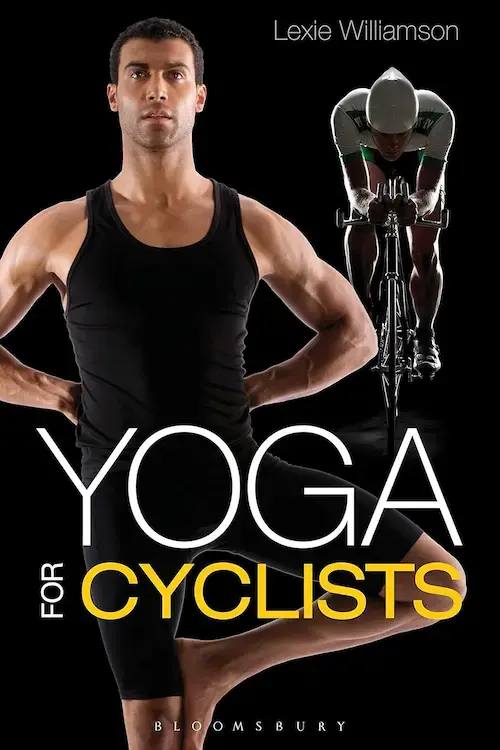
Yoga for Cyclists is a comprehensive guide that demonstrates how yoga can enhance cycling performance, prevent injury, and promote physical and mental well-being. Aimed specifically at cyclists, the book explains how yoga's postures, breathing techniques, and recovery practices can be tailored to address the physical demands and imbalances that come with regular riding.
The book opens by acknowledging common issues cyclists face—tight quads and hip flexors, weak cores, slumped posture, and limited flexibility. Yoga helps counteract these problems through stretches, strength-building poses, and breathwork designed to increase mobility, stabilize the core, and restore muscular balance. Unlike traditional yoga, this approach is sport-specific, focusing on functional flexibility rather than achieving extreme poses.
One of the central themes is the importance of core strength. Many cyclists develop strong backs but weak abdominals, which leads to lower back pain and poor posture. Yoga postures like plank, locust, and bridge are highlighted for building deep core strength without bulking up or requiring gym equipment. These exercises help riders maintain better form, improve power transfer, and reduce fatigue.
The book also emphasizes spinal health. Cycling involves long periods in a flexed (bent) position, which stresses the spine and surrounding muscles. Yoga movements that extend, rotate, and laterally bend the spine restore its range of motion, reducing pain and increasing comfort. Poses that support a flatter back and stronger lumbar region—like locust pose and pelvic tilts—are particularly effective for alleviating lower back strain.
Breathing is treated as both a physical and mental tool. Cyclists often breathe rapidly and shallowly, especially during intense efforts. Yoga encourages slower, deeper diaphragmatic breathing, which increases oxygen uptake, reduces fatigue, and calms the nervous system. Techniques such as abdominal breathing and breath-to-cadence synchronization help cyclists manage their energy and stay focused, particularly during long or difficult rides.
Mental training is another major benefit. The book offers visualization exercises, mindfulness strategies, and breathing-based techniques that help riders stay composed under pressure, push through physical discomfort, and recover more effectively from effort. Yoga fosters present-moment awareness, which translates to better concentration and resilience on the bike.
Recovery is also a key component. Gentle, restorative yoga stretches help flush out lactic acid, release muscle tension, and support better sleep. These simple routines require minimal effort but can dramatically speed up recovery time and prevent overuse injuries. Yoga becomes not just cross-training but a recovery and maintenance tool.
Practicality is emphasized throughout. Cyclists don’t need to be flexible or experienced to benefit. The book offers on-bike and off-bike stretches, mid-ride tension releases, and post-ride cooldown routines. Chapters are structured for easy access, whether a rider wants to target sore hamstrings, build core strength, or simply learn to breathe better.
Overall, Yoga for Cyclists presents yoga as an indispensable companion to cycling. It’s not about becoming a yoga expert but about using simple, smart techniques to ride stronger, longer, and more comfortably—while also improving overall physical health and mental clarity.
100 important points from Yoga for Cyclists:
General Overview
- Yoga is a powerful complement to cycling.
- It improves flexibility, strength, breathing, and mental focus.
- Cyclists don’t need to be highly flexible to benefit from yoga.
- Yoga helps correct posture and alignment.
- Sport-specific yoga enhances cycling performance directly.
- Sequences are designed for practicality, not complexity.
- Yoga can be used before, during, and after rides.
- The goal is balance: strength + suppleness.
- Focus is on stretching key muscle groups used in cycling.
- Yoga aids both physical and mental recovery.
Physical Benefits
- Reduces muscular tightness in quads, hamstrings, and hip flexors.
- Alleviates lower back pain by improving spinal mobility.
- Enhances joint range of motion.
- Helps prevent overuse injuries like IT band syndrome.
- Corrects muscular imbalances (e.g., strong quads, weak glutes).
- Encourages more natural and efficient body alignment.
- Builds functional strength without bulk.
- Increases spinal strength and resilience.
- Improves saddle comfort by improving posture.
- Strengthens the core, especially transversus abdominis and obliques.
Posture and Core
- A strong core supports posture and power transfer.
- Weak core leads to slumping and hand/wrist pressure.
- Core exercises mimic the cycling stance.
- Postures like plank, locust, and bridge target essential core muscles.
- Core strength reduces fatigue on long rides.
Back and Spine Health
- The spine isn’t designed to stay flexed as in cycling.
- Yoga introduces extension, rotation, and lateral movement.
- Backbends help reverse riding posture.
- Locust pose strengthens the lumbar spine.
- Figure-four stretches relieve glute and lower back tightness.
Breathing and Endurance
- Yoga teaches diaphragmatic (belly) breathing.
- Slower, deeper breathing is more efficient than panting.
- Breath training increases oxygen intake and endurance.
- Synchronizing breath with pedal cadence aids pacing.
- Longer exhalations reduce CO₂ and calm the nervous system.
- Back torso breathing helps in the aero position.
- Proper breathing keeps the mind calm and body relaxed.
- Breath control helps push through hard efforts.
- Nasal breathing filters air and calms the nervous system.
- Practicing breath techniques off-bike is essential for on-bike use.
Mental Training
- Yoga improves mental focus and awareness.
- Visualizations (e.g., “hooking a rider”) boost motivation.
- Mantras help maintain morale in long rides.
- Present-moment awareness prevents mental fatigue.
- Mental strength is as crucial as physical strength in cycling.
Injury Prevention & Recovery
- Yoga is ideal for prehab—not just rehab.
- Improves elasticity and prevents strains.
- Encourages quicker recovery after training.
- Restorative stretches are perfect after long rides.
- Techniques like progressive relaxation improve sleep quality.
Stretching Techniques
- Post-ride is the best time to stretch.
- Hold stretches for 30+ seconds (or 5–6 slow breaths).
- Avoid bouncing or forcing into discomfort.
- Use props like belts or blocks to modify poses.
- Standing, kneeling, prone, and dynamic stretches are all included.
- Quads, glutes, hip flexors, and hamstrings get focused attention.
- Flexibility checks help identify tight spots.
- Use the bike as a stretching prop during rides.
- On-bike movements can relieve mid-ride tension.
- Spine decompression stretches ease disc pressure.
Cycling-Specific Advice
- Ideal cycling posture includes a flat back and open chest.
- Avoid lumbar kyphosis by improving flexibility and reach.
- Poor posture increases drag and risk of pain.
- Core strength enables anterior pelvic tilt and upright vision.
- Cycling compresses the abdomen, affecting breath and comfort.
Mid-Ride Techniques
- Mid-ride stretches refresh tired muscles.
- Shoulder rolls, neck tucks, and hand shifts reduce tension.
- Glute squeezes and ankle circles promote circulation.
- Light back bends and posture resets prevent aches.
- Use coasting periods to release muscle tension.
Recovery Yoga
- Recovery is vital to long-term performance.
- Restorative yoga reduces soreness and muscle fatigue.
- Good sleep is the best recovery tool—yoga helps achieve it.
- Poses that require no effort can be highly effective.
- “Tense and release” techniques help muscles relax deeper.
On-Bike Adjustments
- Small posture tweaks prevent energy waste.
- Relaxed shoulders and bent elbows improve ride quality.
- Chin tucks reduce neck strain.
- Hand position shifts prevent wrist and nerve issues.
- Higher cadence (70–90 rpm) is more efficient and safer on joints.
Mobility & Everyday Function
- Cycling limits range of motion.
- Yoga trains movement in all planes: forward, lateral, backward.
- Yoga ensures you're fit for life—not just the bike.
- Side bends and twists counteract linear movement.
- Hip openers restore balance to the pelvis.
Yoga Practice Tips
- No need for fancy gear: mat, strap, and cushion are enough.
- Hatha and yin yoga are best for deep stretching.
- Power yoga and vinyasa build strength and mobility.
- Choose gentler styles during training season.
- Use stronger styles during off-season.
Yoga vs Pilates
- Yoga focuses on flexibility and mind-body connection.
- Pilates emphasizes core strength and posture.
- Both disciplines are valuable, but yoga is more holistic.
- Choose based on your current weakness or goal.
- Many exercises overlap, but yoga adds mental benefits.
Lifestyle and Longevity
- Yoga promotes healthy movement patterns off the bike.
- Improves posture for everyday life (e.g., sitting, walking).
- Helps you move better in all physical activities.
- Prevents burnout through relaxation and breath control.
- Integrating yoga makes you a more resilient, efficient, and mindful cyclist.
. . .