

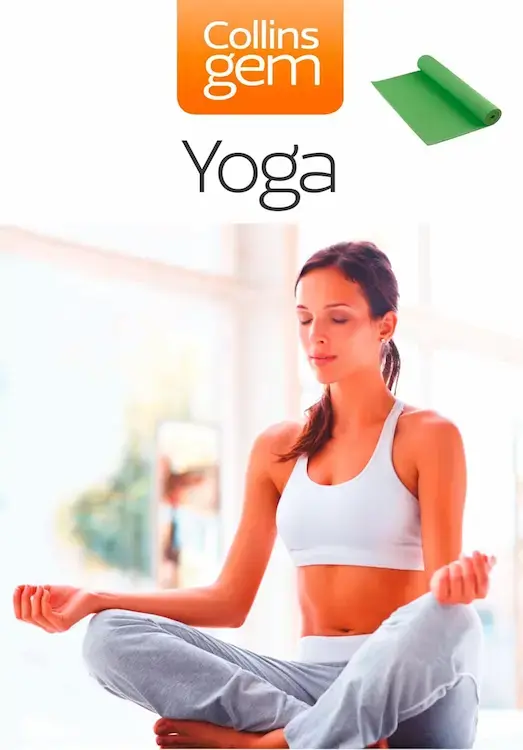
Yoga (Collins Gem) by Patricia A. Ralston, Caroline Smart
Yoga is a transformative practice that unites body, mind, and breath, offering physical and mental harmony. Contrary to common misconceptions, it is not merely for the flexible or spiritual but is accessible to all ages and abilities. Rooted in ancient tradition, Hatha Yoga emphasizes posture (asanas) and breath control to cultivate strength, flexibility, and inner peace. Unlike regular exercise, yoga demands awareness and con...
Yoga - Collins Gem offers a comprehensive and accessible guide to the practice of Hatha Yoga, designed for beginners and experienced practitioners alike. The book begins by debunking myths about yoga, clarifying that it is not a religious cult or a soft pastime, but a powerful, holistic system that enhances both physical health and mental clarity. It introduces readers to Hatha Yoga—the most widely practiced form in the West—which emphasizes physical postures (asanas), breath control (pranayama), and mental focus.
Yoga, as described by the authors, improves posture, increases flexibility, and boosts energy levels. Unlike conventional exercise routines that target specific muscles with limited mindfulness, yoga integrates breath, movement, and awareness, creating a deeper connection between body and mind. Through regular practice, it promotes overall well-being, calmness, and inner strength.
The book carefully outlines the physical and mental benefits of yoga. Physically, it enhances circulation, digestion, muscle tone, and joint mobility while also stimulating the endocrine system and improving the function of internal organs. Mentally, yoga calms the mind, relieves stress, promotes emotional balance, and increases focus. The importance of spinal flexibility and proper breathing is emphasized repeatedly, as these two aspects are key to maintaining youthfulness and vitality.
Readers are introduced to a wide range of postures categorized into warm-ups, standing, seated, kneeling, lying, backbends, twists, inversions, and balancing poses. Each posture is explained with step-by-step instructions, benefits, cautions, and illustrations. The importance of balance in practice is stressed—every forward bend should be followed by a backward bend, every twist to the right balanced by one to the left. This balanced approach avoids injury and ensures a complete body workout.
The book also highlights the value of relaxation and yogic breathing techniques. Breathing is not just mechanical but a vital energy tool in yoga, helping practitioners deepen into postures, regulate emotions, and improve concentration. Techniques such as alternate nostril breathing, bellows breath, and complete breath are introduced gradually.
Guidance is provided for those learning yoga at home and those attending classes. While self-practice has benefits, attending a class with a qualified teacher is recommended for correction, motivation, and safety. The authors also cover different yoga styles—such as Iyengar, Kundalini, Astanga, Sivananda, and Viniyoga—each with unique characteristics and focuses.
Finally, the book offers practical tips on what to wear, the type of mat and props to use, and how to prepare for a session. The philosophy is clear: yoga is non-competitive and inclusive. Whether young or old, flexible or stiff, overweight or slim, everyone can benefit from the practice by progressing at their own pace and honouring their body’s limits.
In essence, Yoga - Collins Gem is not just a physical manual, but a thoughtful invitation to incorporate yoga into daily life. It empowers readers to begin a journey toward self-awareness, vitality, and inner peace—one breath and posture at a time.
100 important points from Yoga – Collins Gem by Patricia A. Ralston and Caroline Smart:

🧘♀️ General Understanding of Yoga
- Yoga is a system that unites body, mind, and spirit.
- It is not a religion or cult, but a holistic practice.
- Hatha Yoga is the most commonly practiced form in the West.
- Hatha means “force” – yoga of will and discipline.
- Yoga includes physical postures (asanas), breath control (pranayama), and mental focus.
- It suits all ages, body types, and fitness levels.
- Yoga can be practiced alone or with guidance.
- Progress is individual – never compare yourself to others.
- Yoga is non-competitive.
- Regular practice enhances vitality and calm.
🧘♂️ Physical Benefits
- Improves posture and body alignment.
- Enhances flexibility.
- Strengthens muscles and joints.
- Stimulates internal organs.
- Boosts circulation and oxygen supply.
- Supports digestive health.
- Regulates metabolism.
- Promotes healthy glandular function (e.g., thyroid, adrenal).
- Encourages weight management.
- Improves skin tone and muscle tone.
🧠 Mental & Emotional Benefits
- Calms and disciplines the mind.
- Reduces stress and anxiety.
- Improves focus and concentration.
- Enhances emotional control.
- Promotes a positive attitude.
- Helps relieve depression and fatigue.
- Fosters mental clarity and creativity.
- Encourages mindfulness.
- Builds patience and perseverance.
- Supports better sleep.
🩻 Spine & Body Awareness
- “You are as old as your spine is flexible.”
- Spinal health is central to yoga.
- Many poses promote spinal flexibility and alignment.
- Forward, backward, and twisting movements nourish the spine.
- Twisting postures help realign vertebrae.
🌬️ Importance of Breath
- Breath links body and mind.
- Most people underuse their lungs.
- Breathing should involve upper, middle, and lower lungs.
- Inhalation energizes and lengthens the body.
- Exhalation relaxes and deepens the posture.
- Always breathe through the nose.
- Pranayama increases lung capacity and vitality.
- Breath awareness improves posture effectiveness.
- Yogis count life in breaths, not years.
- Shallow breathing limits vitality.
🙏 Posture Practice
- Always warm up before postures.
- Each posture has physical and mental aspects.
- Avoid rushing or anticipating movements.
- Balance right/left, forward/backward poses.
- Practice should be rhythmic and mindful.
- Only do what feels right for your body.
- Rest between intense postures.
- Focus on quality, not quantity.
- Some postures may be contraindicated for specific conditions.
- Relaxation after practice is essential.
🏡 Practising at Home vs. Class
- Classes offer professional guidance and correction.
- Teachers spot imbalances and bad habits.
- Home practice builds self-discipline.
- A good teacher adjusts practice to individual needs.
- Find a style and teacher that suit you.
🧘♀️ Types of Yoga Introduced
- Hatha Yoga – classic yoga of postures and breath.
- Iyengar Yoga – precise, uses props.
- Kundalini Yoga – awakens spiritual energy.
- Astanga (Power) Yoga – athletic and dynamic.
- Viniyoga – individualized and breath-centered.
- Sivananda Yoga – holistic and spiritual.
👨🏫 Qualities of a Good Teacher
- Gives balanced, varied sessions.
- Adjusts pace to the group.
- Motivates and encourages.
- Corrects with care and kindness.
- Explains benefits clearly.
- Adapts poses for individual needs.
- Offers modifications for pregnancy, injury, or age.
- Avoids pressure and competition.
👕 What to Wear & Bring
- Wear fitted but comfortable clothes.
- Don’t wear socks or watches.
- Bring a non-slip mat.
- Use a blanket for seated or lying poses.
- Props like blocks and belts help posture alignment.
- Keep yoga props for practice only.
🧎 Who Can Benefit
- Children – improves focus and flexibility.
- Seniors – enhances mobility and strength.
- Pregnant women – prepares for childbirth.
- Stress sufferers – promotes deep relaxation.
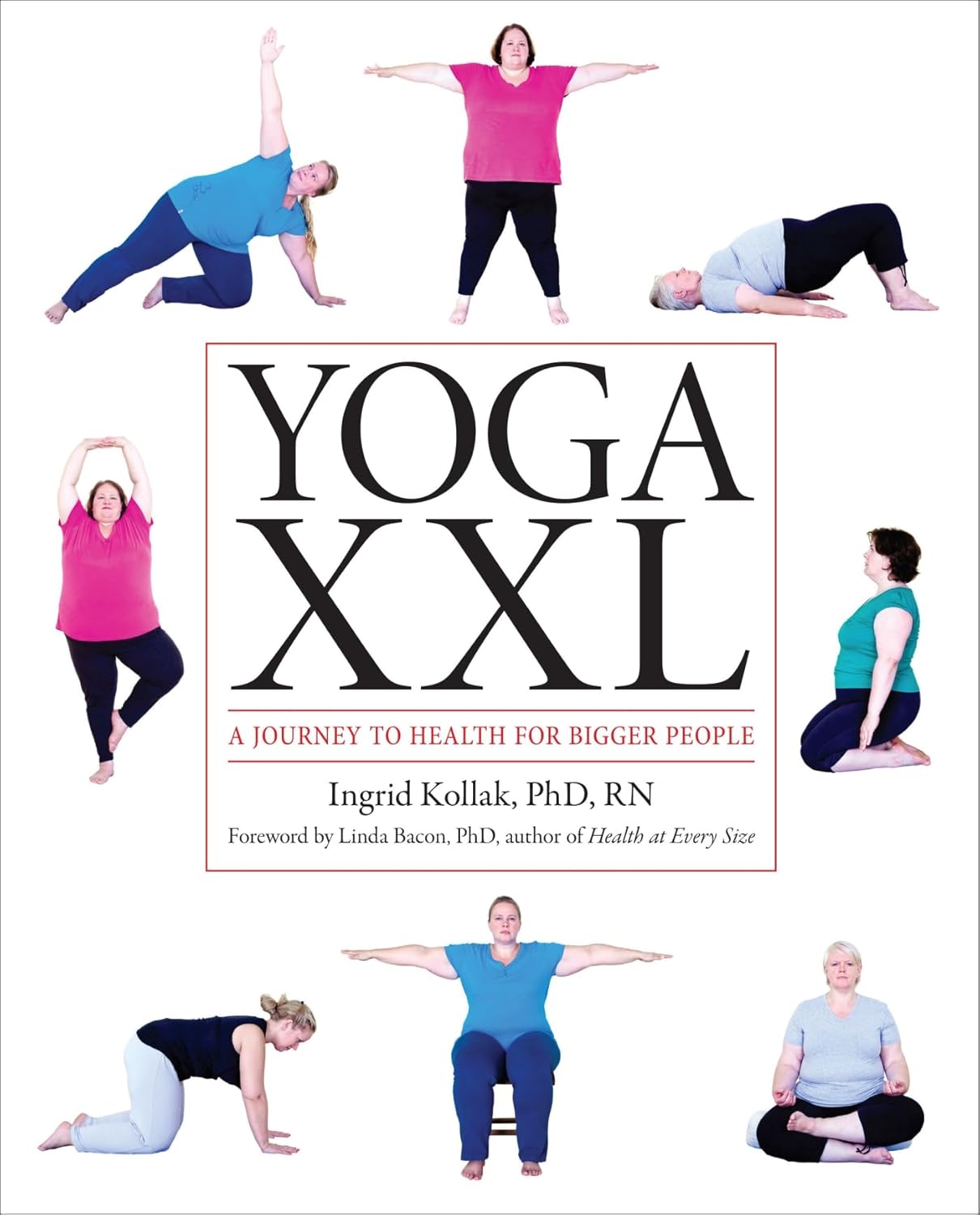
- Overweight people – supports gentle movement and metabolism.
- People with disabilities – poses can be modified.
⚖️ Balancing Modern Life
- Yoga counteracts sedentary and stressful habits.
- Teaches awareness of body mechanics.
- Reverses poor posture from sitting and tech use.
- Reconnects mind with body sensations.
- Encourages better daily posture habits.
🌸 Key Practices & Techniques
- Butterfly, Cat, and Pelvic Lift are ideal warm-ups.
- Surya Namaskar (Sun Salutation) energizes the whole body.
- Standing postures build strength and focus.
- Seated postures improve hip and spinal flexibility.
- Inverted postures improve circulation and hormonal balance.
- Twists detoxify and align the spine.
- Relaxation postures calm the nervous system.
- Eye and neck exercises relieve strain.
- Success in yoga comes from consistency, openness, and breath awareness.