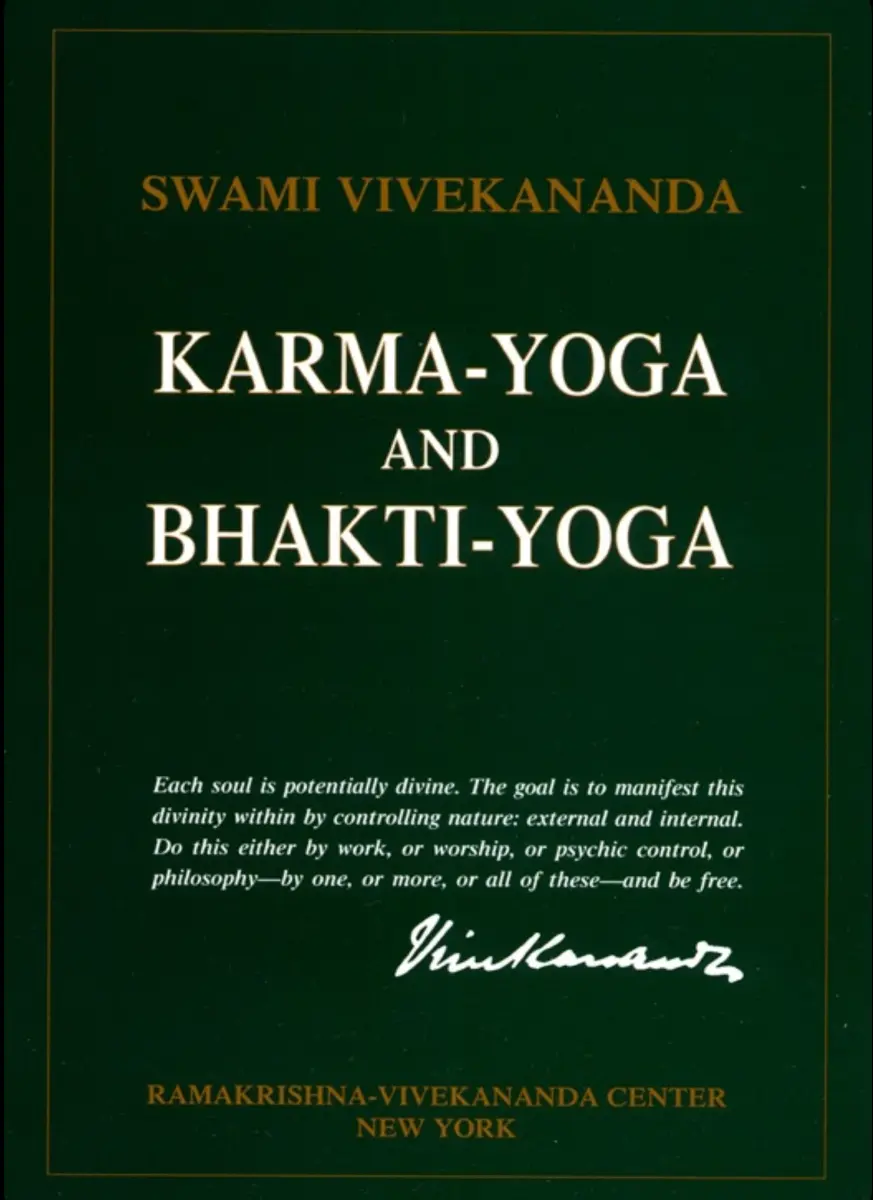
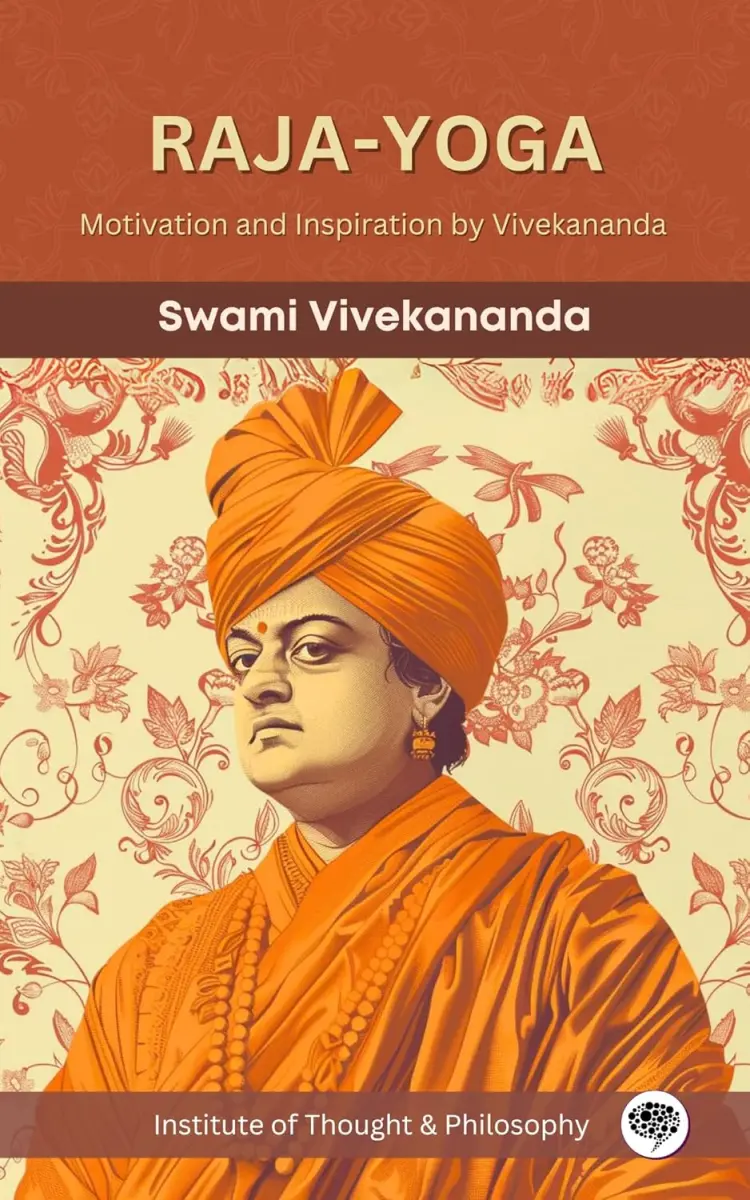
Karma-Yoga and Bhakti-Yoga are two profound teachings presented by Swami Vivekananda that provide spiritual seekers with practical paths toward self-realization and inner peace. These yogas are not just physical practices but deeply philosophical ways of living with purpose, discipline, and connection to the Divine.
Karma-Yoga: The Path of Selfless Action
Karma-Yoga is the yoga of work. Swami Vivekananda defines karma as action and its effect on character. According to him, every action we perform—mental, verbal, or physical—leaves an impression on our mind and molds our personality. The goal of Karma-Yoga is not to escape from action but to purify oneself through action performed without attachment to its outcomes.
Vivekananda teaches that the secret of Karma-Yoga lies in doing one's duties without selfishness or the desire for rewards. This approach transforms even ordinary tasks into spiritual practices. Work becomes worship when done with full attention and without expecting anything in return. Such action leads to spiritual strength, mental clarity, and self-mastery.
Importantly, Karma-Yoga doesn’t require renunciation of the world. A person can be deeply spiritual while being fully active in family, society, or work. What matters is the mindset. Unselfishness and detachment are key virtues. Even simple actions, when done with love and dedication, help awaken the divine potential within.
Bhakti-Yoga: The Path of Devotion
Bhakti-Yoga is the yoga of love and devotion. It emphasizes emotional connection with God through surrender, prayer, chanting, and worship. Vivekananda describes bhakti as a deep, pure love—free from expectation or ego. It’s the easiest and most accessible path, suitable for people of all temperaments.
This path teaches the aspirant to focus on a personal form of God (Ishta Devata) and develop an intimate bond. Through consistent devotion, the ego melts, and the devotee experiences union with the Divine. Bhakti purifies the heart and transforms selfish love into selfless love for all beings.
Vivekananda also discusses the importance of a guru (spiritual teacher) in Bhakti-Yoga. A true guru helps the seeker progress and overcome doubts. He explains that devotion is not sentimental weakness but a strong force that can lead to the highest spiritual realization when practiced with sincerity and discipline.
Harmony Between the Paths
Swami Vivekananda emphasizes that Karma-Yoga and Bhakti-Yoga are not separate. They support and enrich each other. Selfless work enhances devotion, and pure devotion inspires right action. When practiced together, they help the seeker grow holistically—developing both head and heart.
He also stresses that each person should follow the path best suited to their nature. There is no single “best” path—what matters is sincerity, regularity, and commitment.
100 important points from Karma-Yoga and Bhakti-Yoga by Swami Vivekananda
🔥 Karma-Yoga – The Path of Selfless Action
- Karma means action and also the results of action.
- All actions leave impressions (samskaras) on the mind.
- These impressions shape a person’s character.
- Knowledge is the goal of life, not pleasure.
- Both pain and pleasure are necessary teachers.
- We grow spiritually through experience and reflection.
- Real knowledge is within; learning is uncovering it.
- Karma-Yoga teaches us how to work with detachment.
- Do your duty without attachment to the outcome.
- Actions done selfishly bind us; selfless actions free us.
- Unselfish work builds strength, peace, and moral character.
- The will becomes stronger through selfless effort.
- Greatness lies in small, consistent actions, not big events.
- Freedom is the end goal of all karma.
- Non-attachment is key in Karma-Yoga.
- A spiritual worker serves without expecting rewards.
- Real greatness is remaining calm in action.
- Working without motive purifies the mind.
- Karma-Yoga doesn't require renouncing the world.
- The world is the best gymnasium for spiritual training.
🧘 Practical Teachings of Karma-Yoga
- Don’t judge others by your own standard.
- Work as worship brings spiritual awakening.
- Every job has dignity if done with devotion.
- Inactivity is not peace—it is weakness.
- Act, but do not be attached to results.
- All work done without selfish desire leads to inner growth.
- Learn from failure; keep working selflessly.
- We create our future through present karma.
- Karma determines what we deserve and can assimilate.
- Choose action over inaction, but with mindfulness.
💓 Bhakti-Yoga – The Path of Devotion
- Bhakti means intense love for God.
- True bhakti is pure, selfless, and unconditional.
- Bhakti is the easiest and most natural path.
- Love for God expands into love for all beings.
- Bhakti doesn’t mean weakness—it requires great strength.
- Devotion brings peace, joy, and fulfillment.
- A chosen ideal (Ishta Devata) helps focus devotion.
- Surrender is the highest expression of love.
- God can be seen in every living being.
- Repetition of God’s name (mantra) purifies the heart.
🌸 The Role of the Guru and Practice in Bhakti
- A guru (spiritual teacher) is essential in Bhakti-Yoga.
- The guru helps remove doubts and inspires faith.
- Bhakti requires purity, humility, and simplicity.
- Image worship is symbolic and helpful, not primitive.
- The ultimate goal is union with the Divine.
- The devotee must renounce ego and pride.
- Even rituals, if done with love, lead to God.
- Devotion is superior to rituals when love is pure.
- Prayer should be heartfelt, not mechanical.
- Bhakti grows through consistent spiritual practice.
💡 Unity of All Yogas and Realization
- All paths—Karma, Bhakti, Jnana, Raja—lead to the same goal.
- The yogas are complementary, not contradictory.
- Karma purifies the heart; Bhakti deepens love.
- Realization is uncovering what already exists within.
- God is within; you are divine.
- Love and service are expressions of divinity.
- Our true nature is infinite and eternal.
- Suffering and joy are tools for spiritual growth.
- The world is a training ground, not an obstacle.
- Spirituality is practical, not escapist.
🌎 Spiritual Life in the World
- Householders can be as spiritual as monks.
- Duty must be done with devotion and honesty.
- A spiritual person can live amidst activity.
- Work done with love is spiritual practice.
- The world needs people who combine love and duty.
- Charity is sacred when done without pride.
- Serve others as you would serve God.
- Even daily chores can be divine service.
- Let go of “I” and “mine” to find peace.
- Every religion has the same spiritual core.
🧠 Character Building and Discipline
- Self-control is strength; indulgence is weakness.
- Real freedom comes through discipline.
- Inner silence amid action is true mastery.
- Restrain selfish impulses for spiritual gain.
- The strongest are those who serve without ego.
- Practice transforms selfishness into compassion.
- You become what you constantly think and do.
- Strong character is built by mindful action.
- Work done with mindfulness awakens the soul.
- Faith in oneself is vital for progress.
⚖️ Right Attitude and Mental Clarity
- Never hate yourself or others.
- Accept duty without pride or fear.
- Morality is dynamic and relative to duty.
- Learn to let go of judgment.
- Patience is key to spiritual progress.
- Strength is more important than comfort.
- Focus on doing your best, not others’ reactions.
- Watch your thoughts—they shape your destiny.
- Humility is not weakness—it is spiritual power.
- Equanimity in success and failure is the goal.
🌟 Ultimate Spiritual Wisdom
- All knowledge lies within; awaken it.
- Love is the highest path to truth.
- The divine resides in every heart.
- Seek the eternal, not the fleeting.
- God-realization is the highest purpose of life.
- Religion is realization—not dogma or ritual.
- Be fearless and stand firm in truth.
- Serve humanity as a form of divine worship.
- Let every action reflect love and wisdom.
. . .