Yoga Styles

Hot Yoga: What It Is, How Hot It Gets and Who Should Skip It

Hot yoga is yoga in a room heated to about 90 to 105°F. What a class is like, what the research does and doesn't show, and who should skip the heat.

Published: October 17, 2026 Updated: October 17, 2026

What Hot Yoga Is

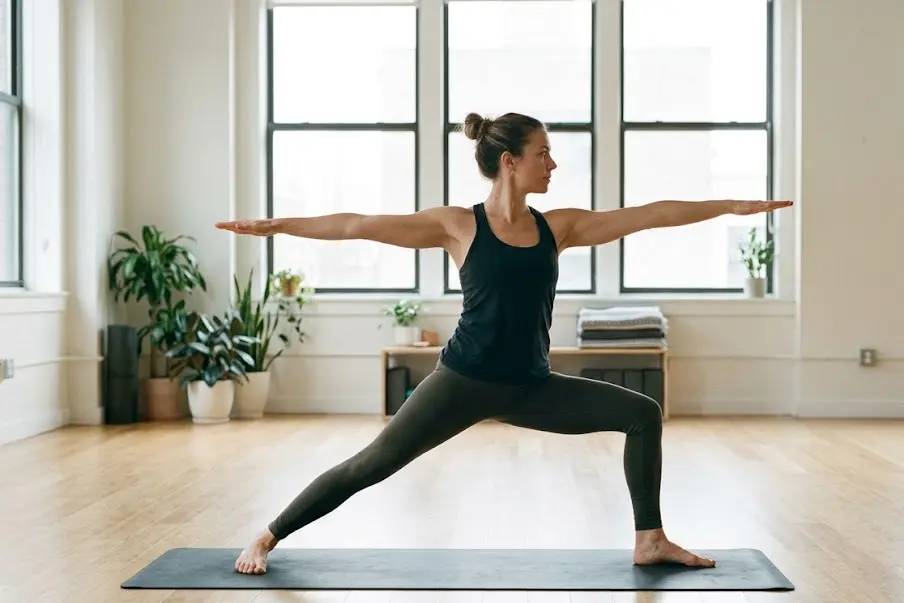
Hot yoga is yoga done in a heated room. Most hot yoga classes are held somewhere between 90 and 105°F, compared with a normal room temperature of 68 to 72°F. You'll sweat from the first few minutes.

The best-known format is Bikram yoga: a 90-minute class of 26 poses and two breathing exercises in a room heated to about 105°F with 40% humidity. Many other studios heat a flowing vinyasa or power class instead.

A Setting, Not a Single Method

"Hot yoga" describes the room, not the poses. Each studio sets its own temperature, humidity and class length, so read the class description before you go.

Key Characteristics

  • Room heated to about 90–105°F
  • Often humid as well as hot
  • Heavy sweating from the start
  • Fixed sequence (Bikram) or flowing classes
  • Not for pregnancy or heat intolerance

Quick Answers

  • How hot is it? Usually 90 to 105°F. Bikram-style classes run at about 105°F with 40% humidity, for 90 minutes.
  • Is it better than regular yoga? There's no clear evidence. A 2025 systematic review found hot yoga raises core temperature and heart rate, but no clear evidence that it burns more energy than the same yoga without heat. A single heated class didn't increase joint range of motion more than other yoga either.
  • Main risks: overheating, dehydration, dizziness and overstretching. Rarely, people have had heat illness or problems from drinking far too much water.
  • Who should skip it: anyone who is pregnant, and people with heart disease, heat intolerance, dehydration problems or a past heat illness. Heat can also aggravate asthma.
  • New to yoga? Learn the poses in regular, unheated classes first, then ease into the heat.

What the Heat Does to Your Body

Your core temperature rises during a hot class. In a 2015 study of 20 regular Bikram students who swallowed temperature sensors, the average peak core temperature was 103.2°F for men and 102.0°F for women. Seven of the 20 went above 103°F, and one reached 104.1°F by the end of class. Sports medicine guidelines note that exertional heat illness can occur at a core temperature of about 104°F. None of the participants showed signs of heat illness, but the researchers said instructors need to know the warning signs.

The heat also makes your body feel looser. That can make it easier to fold into a stretch, and easier to go further than your body is ready for.

What the Research Does and Doesn't Show

Calories

Studies put hot yoga at light to moderate intensity. A 2025 review found no clear evidence that it burns more energy than the same yoga without heat. Try our yoga calories calculator for an estimate.

Flexibility

An 8-week Bikram program improved lower-back range of motion and sit-and-reach scores. A single heated class didn't increase range of motion more than other yoga. See yoga for flexibility.

Stress and Mood

Some trials found lower stress or fewer depression symptoms after several weeks of hot yoga. The review calls these findings promising but inconclusive.

Detox and Weight Loss

People report both, but Cleveland Clinic notes that scientific research is limited and the jury is still out on calorie burn and weight loss.

Who Should Skip It, and How to Do It More Safely

Skip It or Check First

  • Pregnant: NCCIH advises avoiding hot yoga because it can cause overheating
  • Heart disease, heat intolerance, dehydration problems, or a past heat illness such as heatstroke
  • Asthma: heat can aggravate it
  • Any other health concern: talk to your doctor first

In Class

  • Start with regular classes, then build up to heat gradually, over roughly 7 to 14 sessions
  • Drink water before, during and after class, but don't overdo it: the review advises against more than about 3 liters during or right after a class
  • Stop if you feel dizzy, lightheaded or sick in any way; rest or leave the room until it passes
  • If dizziness, headache or nausea doesn't ease, cool down right away and get help
  • Don't chase depth; the heat can make a stretch feel easier than it is

What to Bring

You will sweat a lot, so plan for it.

Water Bottle

Towel for the Mat

Grippy Mat

Light Clothing

Beginner's Tip

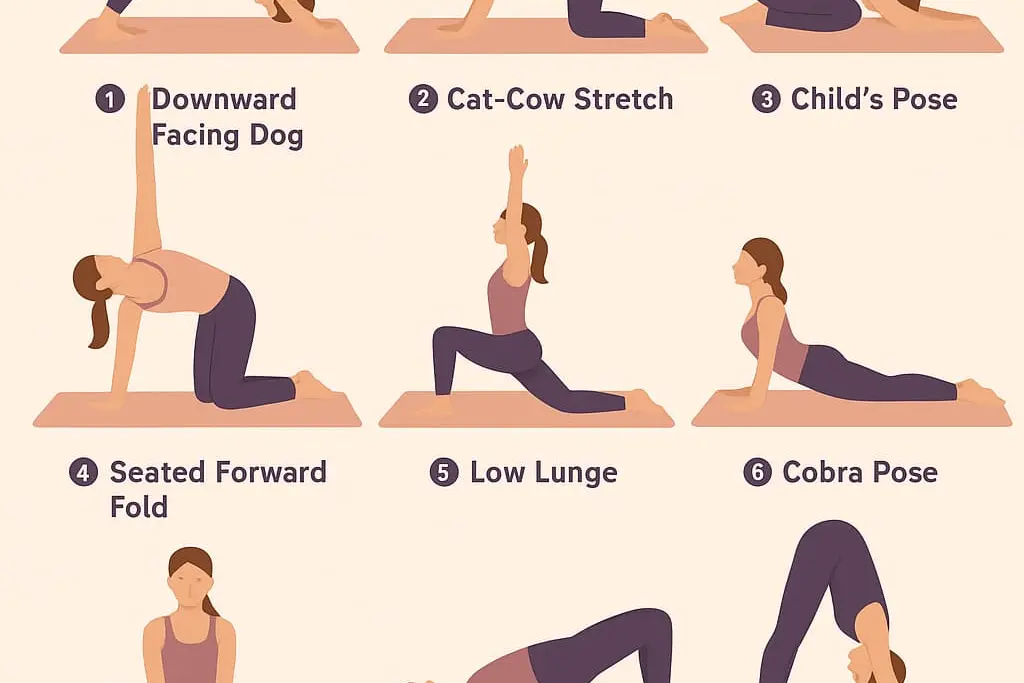
Learn the poses somewhere cool first. Hatha yoga moves slowly enough to learn the basics, and our beginner yoga poses guide covers the poses most classes use. In your first heated class, set up near the door, take breaks in Child's Pose, and leave if you feel unwell.

Hot Yoga FAQ

Is hot yoga the same as Bikram yoga?

No. Bikram is one fixed 90-minute format at about 105°F. "Hot yoga" covers any yoga done in a heated room, including heated vinyasa and power classes.

Is hot yoga good for beginners?

It's better to start with regular classes and add heat once you know the poses and feel comfortable.

Does hot yoga burn more calories?

There's no clear evidence that it does compared with the same yoga unheated. Studies put hot yoga at light to moderate intensity.

Can I do hot yoga while pregnant?

NCCIH advises avoiding hot yoga during pregnancy because it can cause overheating. Ask your provider about unheated classes instead.

Sources: Cleveland Clinic, Is Hot Yoga Right for Me? (opens in a new tab); Mayo Clinic Sports Medicine, What Is Hot Yoga? (opens in a new tab); Willmott et al., Hot Yoga: A Systematic Review, Sports Medicine – Open, 2025 (opens in a new tab); American Council on Exercise, Bikram Yoga Heart Rate and Core Temperature Study, 2015 (opens in a new tab); NCCIH, Yoga: Effectiveness and Safety (opens in a new tab). This page is general information, not medical advice.

Related Articles

Want to try yoga at home first?

Our free timed routines run from 2 to 20 minutes, with a timer that tells you when to switch poses.

Find a routine

Want to loosen up? Yoga for flexibility: 15 poses by body area and two routines.