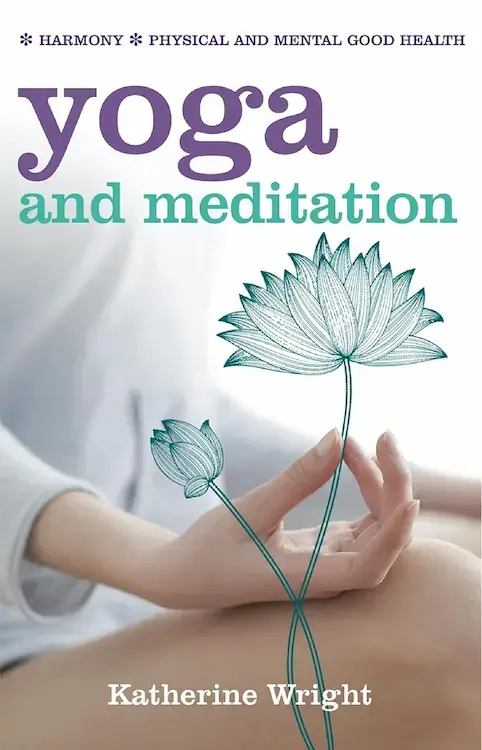
Katherine Wright’s Yoga and Meditation is a comprehensive guide to understanding and practicing two ancient disciplines that foster mental clarity, physical health, and spiritual growth. The book begins by addressing the modern world’s overwhelming pace, constant demands, and the stress they create. Wright emphasizes that while relaxation and physical exercise can help, the mind also needs attention. Meditation, she argues, is a powerful tool for stepping back, calming the mind, and cultivating a sense of contentment.
She defines meditation as the focused quieting of the mind, often through repetitive sounds, images, or sensations, allowing worries to recede and awareness to deepen. Meditation, she clarifies, is not self-hypnosis, passive relaxation, or necessarily tied to any religion. Instead, it is a deliberate mental practice that can be adapted for both secular and spiritual purposes. Wright discusses how it is used in major world religions—Buddhism, Hinduism, Christianity, Judaism, Sufism, and others—while stressing that its benefits are available to everyone, regardless of belief.
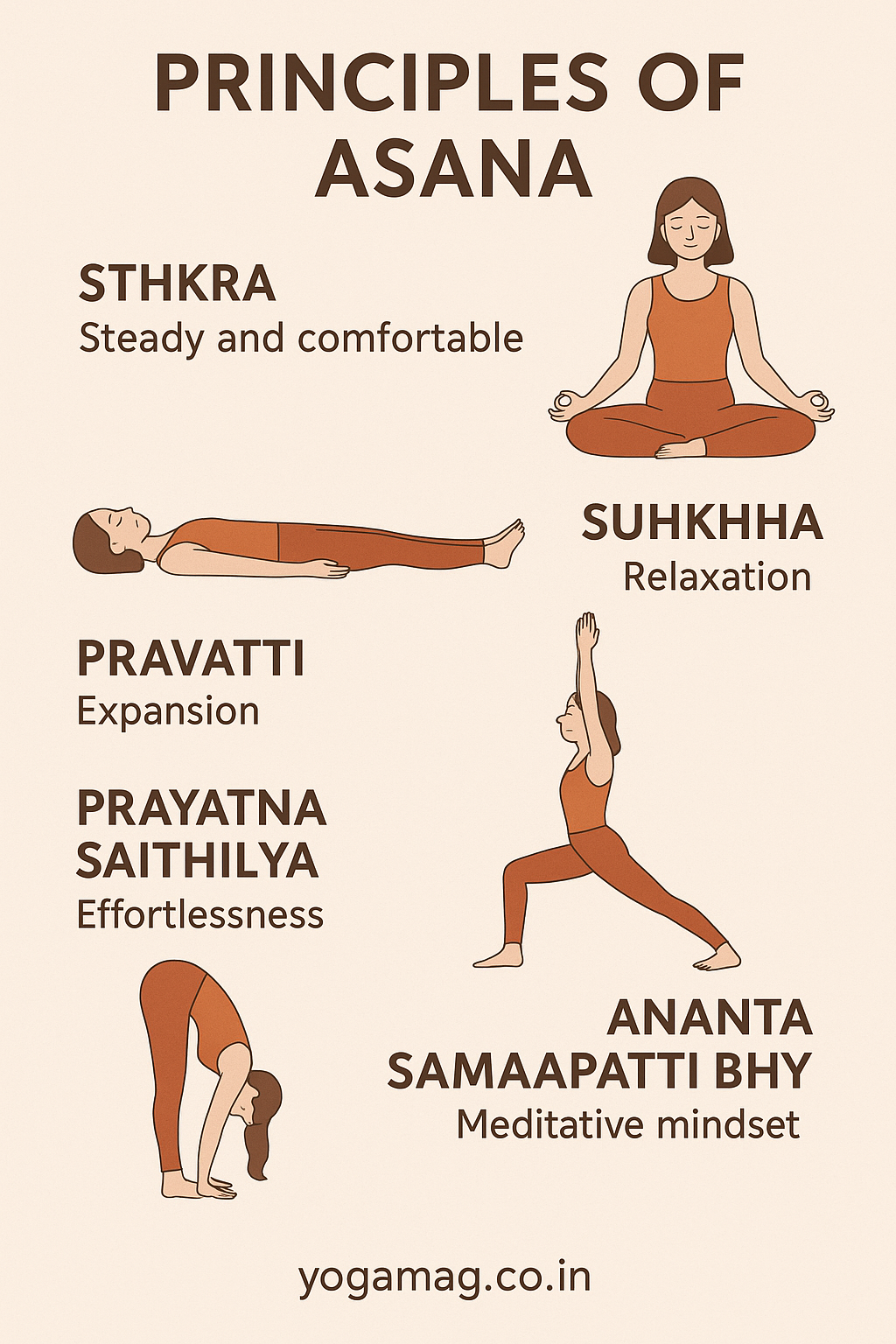
The book pairs meditation with yoga, showing how physical postures (asanas) and breathing techniques (pranayama) prepare the body for mental stillness. Wright traces yoga’s origins, explains its philosophical roots, and highlights its role in uniting mind and body. She presents the six classical paths of yoga and Patanjali’s eight-limbed system, which integrate ethical principles, discipline, physical practice, and meditation to achieve self-realization.
Practical guidance is a central part of the book. Wright offers step-by-step instructions for adopting effective postures—whether sitting cross-legged, in the lotus position, kneeling, or using a chair. She covers the seven-point posture, warm-up exercises, and breathing techniques such as alternate nostril breathing, bellows breath, and ujjayi. She also explores active meditation methods like tai chi, sensory awareness, walking meditation, and mantra repetition, as well as visual meditations using symbols, candles, flowers, mandalas, or imagined light.
The health benefits are a recurring theme. Wright cites scientific evidence that meditation can reduce stress, lower blood pressure, improve immune function, and help with conditions such as migraines, asthma, and heart disease. It can also assist in overcoming addictions, improve sleep, and boost emotional resilience. Yoga, likewise, promotes flexibility, muscle strength, and mental stability, while fostering a balanced lifestyle that reduces dependence on stimulants and harmful habits.
Wright also addresses the psychological and philosophical aspects of practice. She warns against ego-driven competition among meditators, over-romanticizing early results, or expecting instant transformation. Instead, she encourages patience, self-awareness, and a willingness to confront inner truths. She acknowledges that uncomfortable emotions or suppressed aspects of the self may surface but frames this as an essential part of growth.
Throughout, the book blends accessible explanations with wisdom drawn from global traditions, making it suitable for beginners and experienced practitioners alike. Wright’s approach is holistic—meditation and yoga are not just techniques but ways of living with awareness, compassion, and authenticity. Her core message is that by integrating these practices into daily life, anyone can develop greater self-understanding, reduce stress, and experience a deeper connection to both themselves and the world.
In essence, Yoga and Meditation is both a manual and an invitation—to slow down, breathe deeply, and embark on a journey toward balance, clarity, and inner peace.
100 important points from Yoga and Meditation by Katherine Wright.
Stress, Contentment, and Purpose
- Modern life is fast-paced and filled with constant demands, leading to stress.
- Stress manifests physically as headaches, insomnia, muscle tension, and illness.
- Unhealthy coping mechanisms (alcohol, overwork) worsen stress.
- Relaxation alone is not enough; the mind also needs attention.
- Meditation helps us step back, clear the mind, and “just be.”
- Happiness changes one’s perception of the world (Wittgenstein quote).
- Meditation boosts self-worth, which in turn changes how we see life.
- Physical benefits include reduced stress, lower blood pressure, and fewer headaches.
- Meditation helps overcome addictions like smoking and drinking.
- Religious or non-religious people can benefit equally.
What Meditation Is and Isn’t
- Meditation focuses the mind on a single sensation, sound, or image.
- It is “me-time” in its purest form.
- Not self-hypnosis—meditation is about being fully aware in the present.
- Not passive relaxation—meditation actively engages the mind.
- Not tied to any single religion.
- Concentration is a tool, not the goal.
- Stilling the mind allows control over thoughts and emotions.
- Meditation enables living in the “here and now.”
- Contemplation is different—it’s intuitive insight beyond thinking.
- Meditation is preparatory for contemplation.
Yoga and Self-Awareness
- Yoga integrates mind and body through postures and breathing.
- Origins date back over 5,000 years.
- Inspired partly by observing animals’ stretching.
- Asanas improve flexibility and nervous system function.
- Pranayama builds internal energy.
- Yoga requires an open mind and “transcending the ego.”
- Self-knowledge comes from direct experience, not fixed labels.
- Yoga reveals a person’s true self beyond social roles.
- Being “in love” shares qualities with self-discovery—calm, alertness, and resilience.
- Yoga is not therapy but can support emotional healing.
Historical and Philosophical Roots
- The Yoga Sutras of Patanjali date from 200–400 BC.
- Pantajali taught “stilling the mind’s waves” to achieve mindfulness.
- Practice (abhyasa) and non-attachment (vairagya) are essential.
- Experience can limit openness to new possibilities.
- Approaching life with curiosity is key to growth.
Teachers and Learning
- Like learning music, meditation is best learned from a skilled teacher.
- Teachers should be patient, compassionate, and trustworthy.
- Religious leaders often welcome non-believers to learn meditation.
- Trial and error is normal when seeking the right teacher.
- Books, tapes, and retreats are alternatives if no teacher is available.
Mindset and Warnings
- Avoid a “holier-than-thou” attitude about meditation.
- Meditation changes are best noticed by others, not broadcasted.
- Initial bliss may fade before deeper progress is made.
- Meditation can surface uncomfortable truths about oneself.
- People with mental illness should consult a doctor before practicing.
- Limit early sessions to 10 minutes.
- Meditation is a means, not an end.
Religious Perspectives
- Buddhism—central practice, following the Middle Way.
- Zen—focuses on direct experience and present awareness.
- Christianity—silent prayer and contemplation draw believers closer to God.
- Hinduism—yoga as a path to liberation (moksha).
- Judaism—Kabbalistic meditation focuses on divine names and symbols.
- Sufism—mystical union through prayer, movement, and meditation.
- Hare Krishna—chanting to connect with higher consciousness.
- Taoism—harmonizing with the natural flow of life.
Health and Science
- Western medicine often separates mind and body.
- Holistic medicine treats them as interconnected.
- Meditation has proven physical health benefits.
- Stress in moderation motivates, but excess is harmful.
- Chronic stress can lead to serious illness.
- Meditation interrupts the stress response at the thought level.
- Smoking cessation is aided by meditation through self-awareness.
- Visualization can improve recovery from illness.
- Yoga enhances sleep, energy, and immune function.
- Long-term practice can reverse effects of aging.
Practical Guidance
- Posture is essential for effective meditation.
- Seven-point posture aligns body and mind.
- Beginners can use easy postures or chairs.
- Warm-up exercises prepare joints and muscles.
- Hands should be relaxed and lightly cupped.
- Keep eyes slightly open to avoid sleepiness.
- Tongue touches palate to reduce saliva flow.
- Back should be straight for energy flow.
- Clothing should allow free movement.
- Consistency is more important than long sessions.
Techniques
- Breathing methods—alternate nostril, bellows, ujjayi, and more.
- Active meditations—walking, tai chi, sensory awareness.
- Mantras—“Om” or other sacred words to focus the mind.
- Visual meditation—candles, flowers, mandalas, light.
- Body scanning for tension release.
- Mindfulness of breathing for calm.
- Chanting for rhythm and focus.
- Visualization for healing and positivity.
- Vipassana—witnessing thoughts without judgment.
- Spot meditations—short, in-the-moment practices.
Attitudes and Outcomes
- Patience and persistence are essential.
- Early results can be subtle.
- Self-awareness grows over time.
- Emotional stability increases.
- Relationships improve with more empathy and calm.
- Work efficiency rises with better focus.
- Ego-driven behavior diminishes.
- Resilience to external stress improves.
- Spiritual connection (if desired) deepens.
- Enjoyment of the present moment expands.
Final Insights
- Meditation is a journey, not a destination.
- Small daily practice can yield profound benefits.
- The mind becomes clearer, more disciplined, and less reactive.
- Yoga and meditation together address both mind and body.
- The ultimate aim is harmony—within oneself and with the world.
. . .