

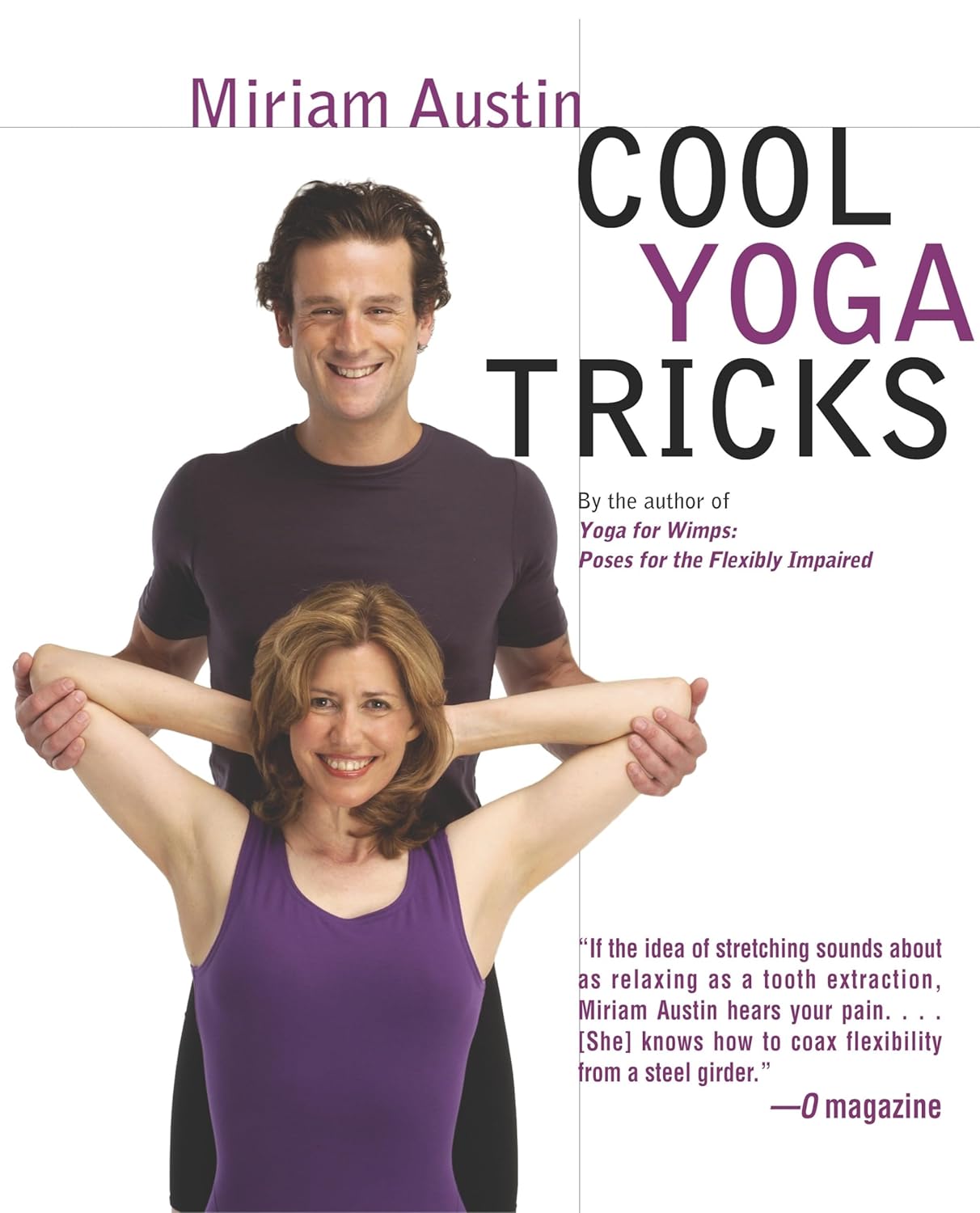
Cool Yoga Tricks by Miriam Austin Image
5/10 534 views Updated: 1 week ago

Cool Yoga Tricks by Miriam Austin

Yoga offers us a sense of freedom and expansiveness in body, mind, and spirit that goes beyond the typical physical high of Western exercise. In Cool Yoga Tricks, Miriam Austin shares over 200 innovative techniques using props like blocks, straps, and blankets to help yoga practitioners—from beyond-beginner to intermediate—achieve deeper, safer, and more effective poses. These tricks are designed to improve flexibility, streng...

Cool Yoga Tricks by Miriam Austin is a practical and accessible guide for yoga practitioners who are beyond beginners but not yet advanced. The book offers over 200 clever modifications and prop-based techniques designed to help students perform yoga poses more effectively, safely, and comfortably. The goal is to enhance alignment, deepen postures, and prevent injury while cultivating a more joyful and sustainable yoga practice.


Austin opens by explaining the transformative power of yoga—not just as a form of physical exercise, but as a discipline that nurtures mental clarity, emotional balance, and spiritual insight. Unlike many fitness routines, yoga connects breath, body, and mind, offering practitioners a sense of expansiveness and peace. However, classical yoga poses can often feel out of reach for many people due to tight muscles, injuries, or structural limitations. This is where “cool yoga tricks” come in.


The tricks in the book use common yoga props—such as blocks, straps, blankets, chairs, walls, and bolsters—to support the body in finding better alignment and fuller expression in each pose. These techniques are particularly helpful in making the classic poses accessible to a broader range of practitioners, including those healing from injury or coping with physical limitations. Props can assist in maintaining balance, engaging the correct muscles, and relaxing areas of chronic tension.


Each chapter focuses on a different category of poses—standing poses, forward bends, backbends, twists, inversions, and more. Within these chapters, Austin provides step-by-step guidance on how to use props to optimize alignment and comfort. For example, a block between the thighs can teach proper engagement of the quadriceps and inward rotation of the thighs in standing poses. A strap can help extend the arms when reaching for the feet in forward bends. Blankets and chairs can make backbends more restorative and less intimidating.


Austin also emphasizes the importance of listening to your body and adjusting postures to suit individual needs. She encourages experimentation and self-awareness over rigid adherence to form. Injuries, fatigue, and anatomical uniqueness are all valid reasons to modify poses. She shares personal experiences of injury from pushing too far and stresses the importance of choosing progress over perfection.


Beyond the physical, the book recognizes yoga as a spiritual practice. Through mindful movement and breath, yoga becomes a tool for meditation and self-realization. Austin illustrates how a quiet mind, cultivated through precise and conscious movement, can lead to a deeper connection with one's inner self and, ultimately, with the divine.


Cool Yoga Tricks is not just a manual of modifications; it’s a philosophy of yoga as compassionate self-care. By combining the wisdom of Iyengar-style alignment with creative prop use, Austin empowers readers to enjoy a safe, enriching, and lifelong yoga practice. Her light-hearted tone and practical advice make this book an excellent resource for students and teachers alike who want to deepen their understanding of alignment, body mechanics, and the joyful exploration of yoga.


100 important points extracted from Cool Yoga Tricks by Miriam Austin:


🧘 General Yoga Philosophy

  1. Yoga enhances freedom in body, mind, and spirit.
  2. It fosters inner peace and self-awareness.
  3. Yoga is a lifelong journey, not a destination.
  4. Props make yoga accessible to all bodies.
  5. Precise alignment leads to better results.
  6. Injuries can teach patience and mindfulness.
  7. Flexibility in body promotes flexibility in mind.
  8. Yoga awakens the body's innate intelligence.
  9. A quiet mind is the goal of all yogic practice.
  10. Modifications are signs of wisdom, not weakness.

🔧 About Cool Yoga Tricks

  1. Tricks use props like blocks, straps, blankets, chairs, and walls.
  2. They make difficult poses easier or more effective.
  3. Suitable for pre-intermediate and intermediate students.
  4. Based on Iyengar yoga principles.
  5. Aim to safely deepen your practice.
  6. Designed to increase body awareness.
  7. Improve flexibility, strength, and endurance.
  8. Help people recover from or avoid injury.
  9. Support specific needs—tightness, fatigue, pain.
  10. Encourage experimentation and self-trust.

🏗️ Core Alignment Principles

  1. Distribute weight evenly on the feet (4 corners).
  2. Lift and engage the quadriceps.
  3. Roll thighs inward or outward depending on the pose.
  4. Press femur bones toward hamstrings.
  5. Extend spine from tailbone to crown.
  6. Keep shoulders soft and relaxed.
  7. Soften the jaw, face, and throat.
  8. Move from the hip crease in bends.
  9. Lengthen the back without rounding it.
  10. Align the head with the spine.

🛠️ Prop Tips

  1. Blocks help support hands, hips, or back.
  2. Straps extend reach and encourage muscle engagement.
  3. Blankets support knees, hips, and spine.
  4. Walls help with balance and alignment.
  5. Chairs can provide passive support in poses.
  6. Tape can assist shoulder rotation and wrist support.
  7. Props are tools to train proper muscle memory.
  8. Use more than one prop when needed.
  9. The right prop placement maximizes pose benefits.
  10. Don’t be afraid to get creative with props.

🐕 Downward-Facing Dog (Adho Mukha Svanasana)

  1. Build strength in arms, legs, and back.
  2. Use blocks under hands to lengthen spine.
  3. Tape arms to roll deltoids outward.
  4. Press thighs back to relieve shoulders.
  5. Stretch hips upward for weight shift.
  6. Let the head hang to release neck.
  7. Use Lazy Dog (chair-supported version) when tired.
  8. Place heels on the wall for extension.
  9. For wrist pain, elevate the palms.
  10. Use wall or friends to guide thigh lift.

👣 Standing Poses

  1. Feel grounded through the four corners of the feet.
  2. Engage thighs and press hips inward.
  3. In Tree Pose, use wall or straps for balance.
  4. For Triangle, extend both sides of torso evenly.
  5. Use straps on thighs to help with rotation.
  6. Move laterally from the hip crease.
  7. In Warrior II, avoid leaning the torso forward.
  8. Back foot support is key to balance.
  9. Distribute effort evenly between both legs.
  10. Maintain strong core engagement.

🤸 Forward Bends

  1. Extend spine equally on both sides.
  2. Stretch from the hip crease, not waist.
  3. Use blocks or chairs to support reach.
  4. Roll thighs inward for better spinal extension.
  5. Ground thighs firmly to lengthen spine.
  6. Sit on blankets if hamstrings are tight.
  7. In Janu Sirsasana, twist toward extended leg.
  8. Use towel behind bent knee for comfort.
  9. Don’t force the bend—ease into it.
  10. Forward bends calm the nervous system.

💫 Back Bends

  1. Open the chest and lift the sternum.
  2. Keep thighs engaged for back protection.
  3. Use chairs and bolsters to support the arch.
  4. Back bends improve posture and energy.
  5. Use props to reduce fear or strain.
  6. Let breath expand the front body.
  7. Align knees and hips carefully.
  8. Keep neck long and soft.
  9. Beginners should avoid unsupported backbends.
  10. Practice with a partner for safety.

🔄 Twists and Inversions

  1. Always lengthen spine before twisting.
  2. Twist from the base of the spine upward.
  3. Use walls or chairs to stabilize the body.
  4. Inversions should not be practiced during menstruation.
  5. Use blankets for shoulder support in inversions.
  6. Build strength slowly before full headstand.
  7. Downward Dog prepares the body for inversions.
  8. Use legs to lift in handstand, not shoulders.
  9. Twists detoxify organs and boost circulation.
  10. Use caution in twists if injured.

🧠 Mindfulness & Injury Prevention

  1. Yoga should never be painful.
  2. Injuries come from ego or overexertion.
  3. Trust your body over external instruction.
  4. Modifications are progress, not fallback.
  5. Always consult a doctor for serious injuries.
  6. Stay present with each movement.
  7. Practice for 5 minutes if time is short.
  8. If tired, practice restorative poses.
  9. Yoga is ultimately about inner peace.
  10. Enjoy your practice—it should feel good.


. . .

Related Books Reviews