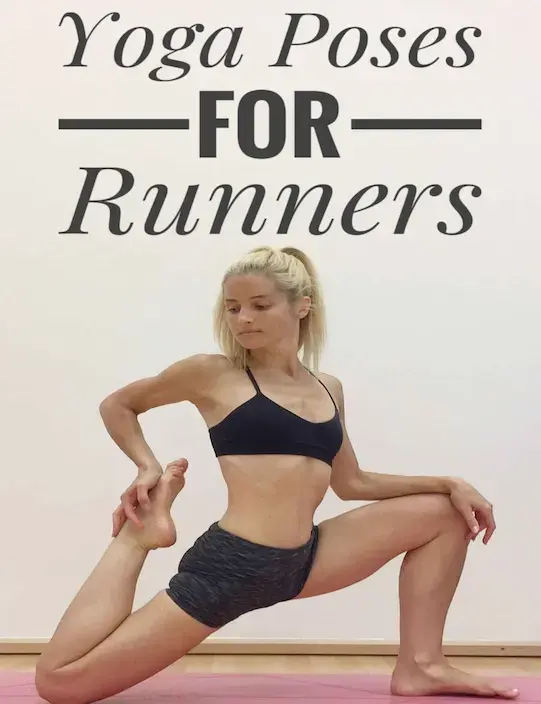
YOGA POSES FOR RUNNERS by lux smith Image
4/10 569 views Updated: 3 days ago

YOGA POSES FOR RUNNERS by lux smith

Discover how yoga can transform your running performance with Yoga Poses for Runners by Lux Smith. This practical guide introduces essential yoga poses designed specifically for runners, including Downward Facing Dog, Warrior II, Tree Pose, Low Lunge, and Pigeon Pose. Each posture is explained with clear key points, helping you improve flexibility, strengthen muscles, and prevent common running injuries.

Yoga Poses for Runners by Lux Smith is a practical and inspiring guide that shows how yoga can complement a runner’s training, improve performance, and speed up recovery. The book introduces step-by-step yoga poses tailored for runners who often experience tight hips, hamstrings, and calves due to repetitive running motion. By integrating yoga into your routine, you can boost flexibility, prevent injuries, and achieve a balanced body and mind.


The book begins with the Downward Facing Dog, one of the most beneficial yoga poses for runners. It lengthens the spine, stretches calves and hamstrings, and opens the chest, making it a perfect warm-up or cool-down stretch. Variations like “marching in downward dog” mimic running motion and build mobility.


Next, the guide highlights Single Leg Forward Bending, featuring Pyramid Pose and Runner’s Lunge. These improve hamstring flexibility and pelvic alignment, directly benefiting a runner’s stride. Warrior II, another featured posture, strengthens the hips, thighs, and pelvic floor—areas often neglected in traditional running training.


Balancing poses such as Tree Pose emphasize stability and core strength, mirroring the single-leg stance in running. Low Lunge and Thunderbolt target hip flexors and shin muscles, encouraging better posture and stride length.


The book also includes restorative poses like Pigeon Pose, which deeply stretches hip rotators, Happy Baby, which decompresses the spine, and Legs Up the Wall, an excellent recovery pose that promotes relaxation and circulation after long runs.


Throughout the book, Lux Smith explains the biomechanics behind each posture, encouraging mindful movement and proper alignment. Unlike generic yoga guides, this book specifically adapts yoga to the unique needs of runners, making it both practical and highly effective.

In addition to physical benefits, the poses also enhance mental clarity, breathing control, and focus—essential for endurance athletes. Yoga helps runners reduce stress, maintain consistency, and prevent burnout, ensuring long-term progress.


By combining yoga and running, athletes can enjoy improved flexibility, greater balance, reduced risk of injury, and faster recovery times. Whether you are a beginner runner or a marathon enthusiast, this book provides simple yet powerful tools to upgrade your performance.

Key Takeaways

  • Yoga Poses for Runners is perfect for athletes seeking flexibility, balance, and recovery.
  • Poses covered include Downward Dog, Pyramid Pose, Warrior II, Tree Pose, Low Lunge, Thunderbolt, Pigeon, Happy Baby, and Legs Up the Wall.
  • Benefits include injury prevention, hip and hamstring flexibility, core strength, and mental focus.
  • Ideal for beginners and experienced runners looking to integrate yoga into daily training.

In summary, Yoga Poses for Runners is more than a yoga manual—it’s a holistic training companion for anyone who wants to run stronger, recover faster, and stay injury-free through the power of yoga.

100 Important Points from Yoga Poses for Runners

General Benefits of Yoga for Runners

  1. Yoga improves flexibility in hips, hamstrings, and calves.
  2. It reduces the risk of running-related injuries.
  3. Enhances posture and running form.
  4. Increases lung capacity through breath control.
  5. Helps with faster post-run recovery.
  6. Improves balance and stability.
  7. Strengthens core muscles essential for endurance.
  8. Promotes joint mobility.
  9. Reduces mental stress and anxiety.
  10. Boosts overall athletic performance.

Downward Facing Dog (Adho Mukha Svanasana)

  1. Lengthens the spine and decompresses the back.
  2. Stretches calves and hamstrings.
  3. Opens the chest and shoulders.
  4. Provides spinal traction using gravity.
  5. Marching variation mimics running motion.
  6. Builds mobility in hips.
  7. Engages arches and small muscles of the feet.
  8. Enhances upper body strength.
  9. Improves circulation.
  10. Beginner-friendly for all runners.

Single Leg Forward Bending (Pyramid Pose & Runner’s Lunge)

  1. Strengthens hamstrings and calves.
  2. Promotes pelvic alignment.
  3. Improves stride length.
  4. Engages hip flexors.
  5. Pyramid Pose helps maintain spine length.
  6. Runner’s Lunge mimics running biomechanics.
  7. Builds flexibility in toes and ankles.
  8. Can be done anywhere, even outdoors.
  9. Enhances hamstring endurance.
  10. Deepens hip stretch.

Warrior II (Virabhadrasana II)

  1. Strengthens thighs and hips.
  2. Opens inner and outer hip muscles.
  3. Improves hip joint mobility.
  4. Expands pelvic floor muscles.
  5. Enhances balance and endurance.
  6. Builds mental focus.
  7. Strengthens arches of the feet.
  8. Improves shoulder stability.
  9. Great for pelvic floor health.
  10. Helps prevent tight hips.

Tree Pose (Vrikshasana)

  1. Improves balance on one leg.
  2. Mimics single-leg stance in running.
  3. Strengthens core control.
  4. Enhances ankle stability.
  5. Builds concentration and mental calmness.
  6. Different hand placements challenge balance.
  7. Improves posture awareness.
  8. Strengthens glutes.
  9. Increases proprioception.
  10. Prevents falls and injuries.

Low Lunge (Anjaneyasana)

  1. Stretches hip flexors.
  2. Engages glutes and abs.
  3. Promotes pelvic alignment.
  4. Relieves tight quads.
  5. Builds stride strength.
  6. Opens trail hip joint.
  7. Improves front knee alignment.
  8. Strengthens back muscles.
  9. Boosts spinal mobility.
  10. Relieves pressure in lower back.

Thunderbolt Pose (Vajrasana)

  1. Strengthens shin muscles.
  2. Improves posture.
  3. Encourages spinal alignment.
  4. Enhances digestion when practiced after meals.
  5. Stretches quads.
  6. Relieves ankle stiffness.
  7. Promotes mindful breathing.
  8. Improves circulation in lower legs.
  9. Builds focus.
  10. Can be modified with a bolster.

Pigeon Pose (Eka Pada Rajakapotasana)

  1. Stretches hip rotators.
  2. Opens deep hip muscles.
  3. Relieves glute tightness.
  4. Enhances pelvic stability.
  5. Improves hip mobility for runners.
  6. Deepens hip flexor stretch.
  7. Relieves lower back pressure.
  8. Prevents IT band syndrome.
  9. Reduces knee stress when aligned properly.
  10. Encourages mindful exploration of hip position.

Happy Baby (Ananda Balasana)

  1. Releases lower back tension.
  2. Stretches inner thighs.
  3. Encourages relaxation.
  4. Promotes pelvic alignment.
  5. Relieves hamstring tightness.
  6. Improves hip mobility.
  7. Enhances spinal flexibility.
  8. Reduces anxiety and stress.
  9. Calms the nervous system.
  10. Improves body-mind awareness.

Legs Up the Wall (Viparita Karani)

  1. Boosts recovery after long runs.
  2. Improves blood circulation.
  3. Reduces swelling in legs.
  4. Encourages parasympathetic relaxation.
  5. Lengthens the back body.
  6. Calms the nervous system.
  7. Reduces fatigue.
  8. Enhances sleep quality.
  9. Promotes gentle spinal decompression.
  10. Aids in full-body relaxation.


. . .

Related Books Reviews