

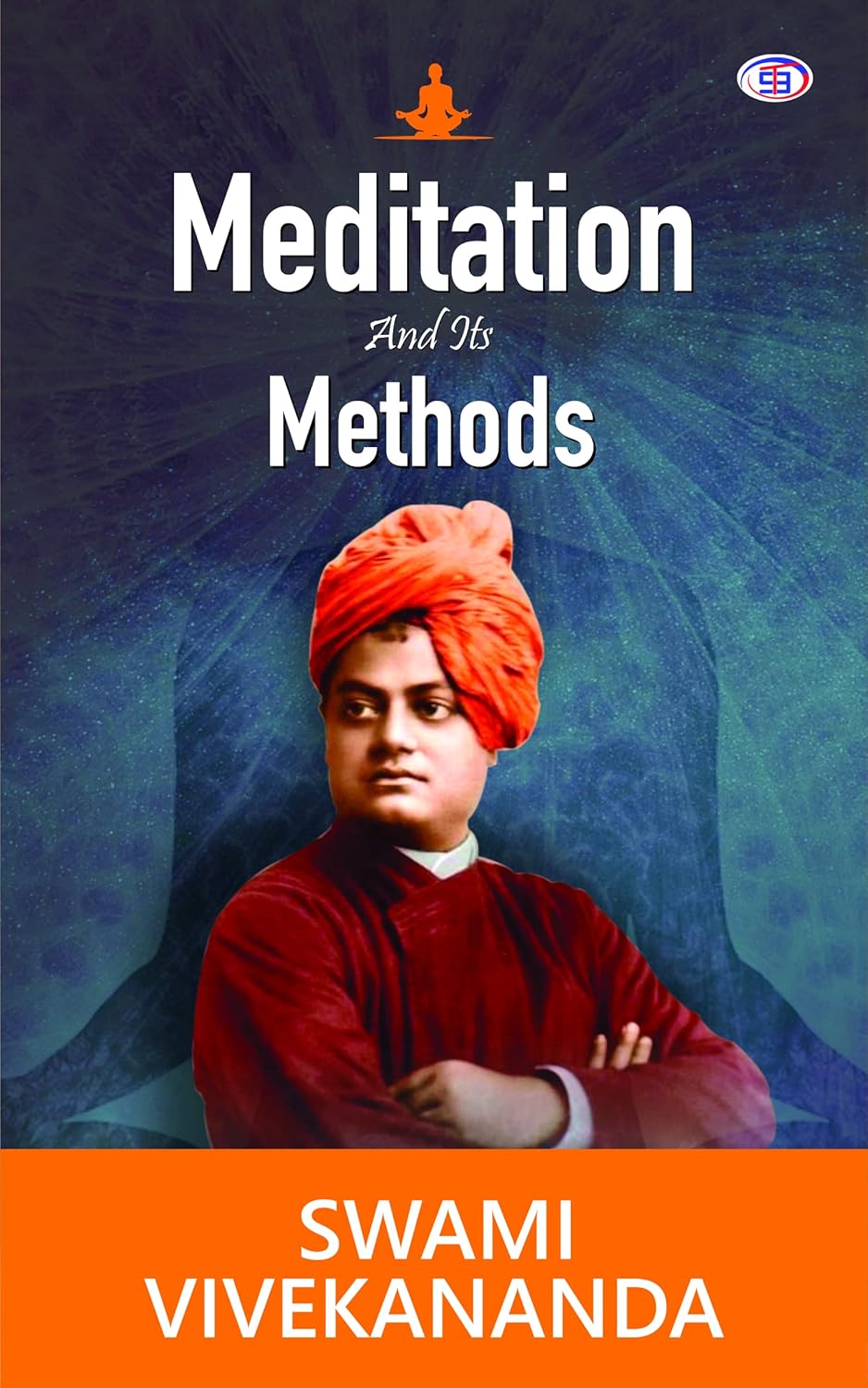
Meditation and Its Methods by Swami Vivekananda by Swami Vivekananda
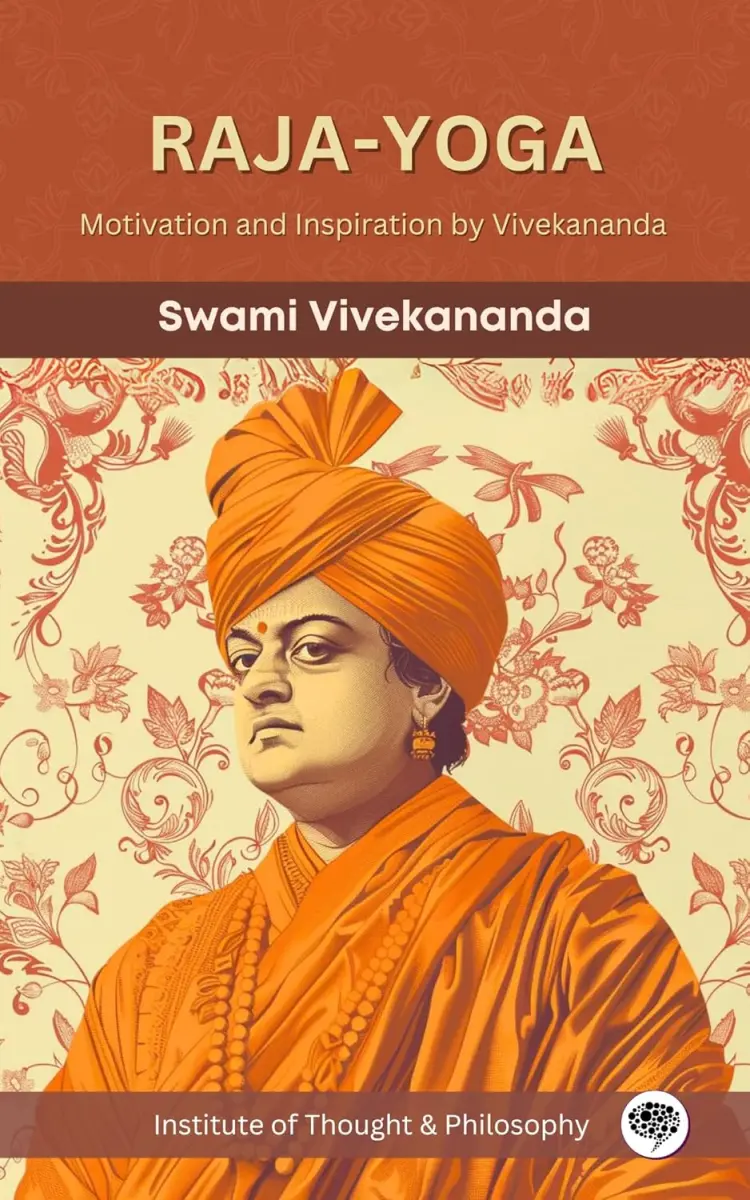
Reading Swami Vivekananda’s words is a rare experience: the printed page somehow conveys not just his thoughts but the force and tone of his speech. His teachings, originally spoken, retain the urgency and energy of direct conversation. Unlike abstract philosophy, Vivekananda points directly at the reader—there’s no room for deflection; he demands introspection. His message is clear: you are not who you think you are. You are...
"Meditation and Its Methods" is a profound compilation of Swami Vivekananda's teachings on meditation, drawn from his lectures, writings, and conversations. The book presents both practical and philosophical insights, offering guidance for spiritual seekers who wish to deepen their inner journey and discover the divine within themselves.
The work is divided into two main sections: Meditation according to Yoga and Meditation according to Vedanta. The first explores the psychophysical techniques and discipline of meditation, while the second reflects on the metaphysical nature of the self and the ultimate unity with Brahman.
Vivekananda emphasizes that meditation is the supreme means of attaining self-realization. All religious rituals, ceremonies, and prayers are preparatory steps leading to the deep, transformative practice of meditation. According to him, the restless human mind, likened to a drunken monkey stung by a scorpion and possessed by a demon, must be trained through intense concentration and discipline. Meditation, properly practiced, calms the waves of the mind-lake, allowing the light of the Self to shine through.
In the Yoga approach, Vivekananda teaches that concentration (Dharana), meditation (Dhyana), and absorption (Samadhi) are progressive stages. He describes how controlling the breath, sensory inputs, and thought patterns helps open the Sushumna (central nerve channel) and awaken Kundalini—the dormant spiritual energy. Through regular practice and renunciation of worldly distractions, the practitioner transcends body-consciousness and touches the infinite.
He stresses the importance of environment and discipline—a clean room, a regular schedule (morning and evening), calm surroundings, and a focused mind are essential for success. One should meditate not for selfish gain, but for realization, seeking truth, purity, and liberation. Prayer for others, universal love, and mental detachment from possessions and people are key to spiritual growth.
In the Vedantic approach, meditation becomes a means to realize the non-dual truth that “I am Brahman.” Vivekananda urges the aspirant to transcend ego and separateness, to see all beings as divine, and to renounce the illusions of wealth, fame, and pleasure. Meditation here is not merely a technique but a state of identity with the Absolute, a dissolving of the individual self into the universal consciousness.
Vivekananda also recounts personal experiences and stories, including his own deep samadhis and those of sages like Pavhari Baba and Valmiki. These anecdotes serve as inspiration and proof that transformation through meditation is possible.
Ultimately, the book is a call to action. Vivekananda challenges readers to stop being passive, to renounce weaknesses, and to realize their divine nature. Meditation is the path to freedom from bondage, ignorance, and fear. It is not an escape from the world but the highest form of engagement—with the Self, with humanity, and with Truth.
100 points from “Meditation and Its Methods” by Swami Vivekananda.

🧘♂️ Essence of Meditation
- Meditation is the key to realizing our divine nature.
- It is not escape but a return to the Self.
- Meditation calms the mind and reveals the Atman.
- Mind is like a lake; meditation stills its waves.
- Without a calm mind, truth cannot be seen.
- Every soul is potentially divine.
- The goal is to manifest this divinity through inner control.
- Meditation removes the illusion of ego and separateness.
- The mind must be trained like a muscle.
- Detachment and one-pointedness are essential.
🧘 Meditation According to Yoga
- Yoga includes eight limbs: Yama, Niyama, Asana, Pranayama, Pratyahara, Dharana, Dhyana, Samadhi.
- Yama: Non-violence, truth, celibacy, non-possessiveness, non-stealing.
- Niyama: Cleanliness, contentment, discipline, self-study, devotion.
- Asana: Body posture must be steady and comfortable.
- Pranayama: Breath control awakens inner energies.
- Pratyahara: Withdrawal from senses.
- Dharana: Fixing mind on one point.
- Dhyana: Meditation, flow of concentration.
- Samadhi: Superconscious absorption.
- Raja Yoga emphasizes control of body and mind.
🕉️ Meditation According to Vedanta
- You are not the body, you are Brahman.
- Meditation affirms identity with the Universal Self.
- The aim is to realize “I am That.”
- Separate identity is ignorance (Avidya).
- Vedanta stresses internal realization over rituals.
- Detachment from name, fame, and possessions is required.
- “I am not this body. I am the Self” – meditate on this.
- The ego must dissolve in the Self.
- Realization requires discrimination (viveka) and renunciation (vairagya).
- Vedanta meditation leads to unity consciousness.
🧠 Mental Discipline
- The mind is the cause of bondage or liberation.
- A restless mind creates suffering.
- Concentration is a learned skill.
- Control the mind or be controlled by it.
- Meditation is the art of one-pointed thought.
- Subconscious impressions surface during meditation.
- Suppressing emotions in meditation can be dangerous.
- Emotions should be transcended, not indulged.
- Thought-waves in the mind must be calmed.
- The concentrated mind reveals the soul.
💡 Practical Hints
- Choose a calm place to meditate.
- Morning and evening are best for practice.
- Sit in a stable posture.
- Focus on breath, sound, image, or concept.
- Keep the spine erect.
- Eat moderately; don’t fast or overeat.
- Meditate daily without fail.
- Begin with 15 minutes if time is short.
- Don’t expect quick results.
- Be patient and persistent.
🧚♂️ Spiritual Experiences
- Swamiji saw a light at his forehead in childhood.
- Kundalini is awakened by deep concentration.
- Samadhi is the goal of Yoga.
- Nirvikalpa Samadhi is pure awareness.
- Ramakrishna guided Swamiji to higher states.
- Real masters transmit realization.
- Experience comes before intellectual understanding.
- The inner light leads to transformation.
- Visions may come, but don’t be attached.
- Even minor experiences deepen faith.
🌏 Service and Karma
- Work for others is sacred.
- Meditation should lead to selfless service.
- Real saints help the world silently.
- Good thoughts help the collective mind.
- Renunciation is mental, not just physical.
- Wealth and attachment are major hindrances.
- Do not be slaves to money or social roles.
- Live as custodians, not owners.
- Detachment increases inner power.
- Service purifies the ego.
📚 Spiritual Philosophy
- God is not a person, but a principle.
- Use the word "God" with deep meaning.
- Religion is realization, not belief.
- All religions aim at the same truth.
- Truth is universal and impersonal.
- The mind reflects the Self when still.
- Ignorance causes all misery.
- Illusion of separateness leads to fear and desire.
- Real love is seeing the Self in all.
- External worship is a preparation for inner absorption.
🧗 Personal Development
- Strength is life, weakness is death.
- Never say “I am weak.”
- Be bold, fearless, and full of energy.
- Cultivate patience and perseverance.
- Practice brings real change, not theory.
- Control senses consciously.
- Learn from every moment.
- Read your own inner book.
- Avoid emotional instability in practice.
- Inner joy is more lasting than external pleasure.
✨ Swamiji's Teachings & Quotes
- “Arise, awake, and stop not till the goal is reached.”
- “You are lions, not sheep.”
- “Meditation is the gate to bliss.”
- “The Guru knows your past and future.”
- “Let your life be a sermon.”
- “Silence is the highest speech.”
- “Freedom is your true nature.”
- “Be spiritual first; all else follows.”
- “Meditate, even for a few minutes daily.”
- “Truth cannot be partial.”