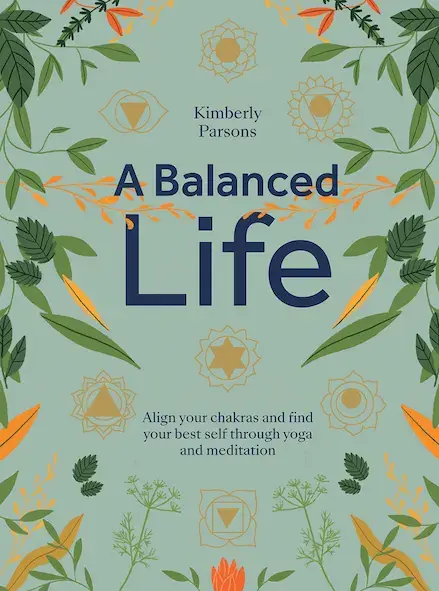
A Balanced Life is an insightful guide to cultivating harmony throughout every aspect of our daily routines. Rather than promoting strict rules or rigid schedules, Kimberly Parsons encourages readers to approach wellbeing as a gentle, intuitive, and ongoing process. The book emphasizes that balance is not achieved through a single act, but through a combination of small, intentional practices that help realign the body, mind, and spirit.
At its heart, the book invites us to reconnect with our inner wisdom. Parsons explains that all people have a natural rhythm, and that stress and imbalance occur when we disconnect from this inner flow. The first step toward reclaiming balance is awareness—pausing to notice how we feel physically and emotionally. By paying attention to the quality of our energy, our thoughts, and the signals of our body, we begin to understand what we need at any given moment.
The author introduces the concept of nourishment in a broader sense. Food is a powerful source of nourishment, and throughout the book Parsons shares insights about eating fresh, seasonal, whole foods that support vitality. But she also explains that nourishment goes far beyond food. Rest, movement, meaningful work, time in nature, creativity, and supportive relationships all contribute to a healthy and balanced life. The book encourages readers to ask: “What truly nourishes me?” This question becomes a guiding force for daily choices.
Throughout the chapters, Parsons offers a series of gentle rituals and mindful practices that can be easily integrated into day-to-day life. These include morning routines such as journaling or stretching, mindful breathing exercises to calm the nervous system, and small acts of self-care like making herbal tea or keeping a gratitude journal. The goal is not to copy someone else’s routine, but to discover practices that feel authentic and nourishing.
Another important theme is the importance of slowing down and creating spaciousness. Parsons reminds us that a fast-paced lifestyle disconnects us from ourselves and drains our inner resources. By consciously creating moments of stillness—taking a slow walk, enjoying a quiet meal, or turning off digital devices—we create space for rest, reflection, and healing.
The book also explores the role of the natural world in restoring balance. Spending time in nature, observing the changing seasons, and aligning with natural cycles all help to reconnect us with a deeper sense of harmony. Nature becomes a mirror, showing us when to grow, when to rest, and when to let go.
Ultimately, A Balanced Life is a gentle reminder that wellbeing is not something we fight for, but something we invite. Through conscious awareness, nourishing daily rituals, and a willingness to listen to our bodies and hearts, we can cultivate a life that feels grounded, calm, and deeply fulfilling. Parsons invites readers to embrace balance as a journey—one that unfolds moment by moment, with kindness, curiosity, and self-compassion.
100 Important Points from A Balanced Life.
- Balance begins with self-awareness and intentional living.
- Small daily choices impact long-term wellbeing.
- Nourishment comes from food and non-food sources.
- Whole, seasonal foods support physical vitality.
- Listening to the body helps identify what it needs.
- Morning rituals set the tone for the entire day.
- Journaling cultivates emotional clarity and grounding.
- Deep breathing helps calm the nervous system.
- Slowing down creates space for reflection and rest.
- Spending time in nature restores mental balance.
- Rest and sleep are essential for healing.
- Mindful movement supports both body and mind.
- Gentle stretching helps release tension.
- Gratitude practice increases positive awareness.
- Creativity is a form of self-expression and renewal.
- Sustainable routines are more effective than strict rules.
- Every person has their own natural rhythm.
- Disconnection causes stress and overwhelm.
- Realignment starts with honoring personal needs.
- Nourishing food should be prepared with mindfulness.
- Digital detox helps reconnect with the present moment.
- Inner peace comes from accepting imperfection.
- Rituals help anchor emotional stability.
- Connection to others supports emotional wellbeing.
- Balance is not fixed; it requires regular adjustment.
- Whole grains and plant-based foods increase energy levels.
- Avoiding processed foods reduces inflammation.
- Hydration is a simple but key wellness habit.
- Herbs and spices enhance healing through food.
- A calm morning avoids a rushed feeling all day.
- Mindful eating improves digestion and satisfaction.
- Pausing before reacting prevents emotional imbalance.
- The seasons offer guidance on how to live.
- Movement can be gentle yet deeply effective.
- Playing or creating art awakens joy.
- Regular breaks during work reduce mental fatigue.
- Setting boundaries protects emotional energy.
- Silence allows the mind to reset.
- Breathing fresh air boosts vitality and mood.
- A tidy space contributes to a clear mind.
- Taking time to cook cultivates self-respect.
- Listening to natural sounds reduces stress.
- Over-thinking leads to imbalance and tension.
- Being present in daily tasks creates calm.
- Consistent sleep times improve overall health.
- Aromatic herbs and teas help induce relaxation.
- Sharing a meal enhances connection and joy.
- A balanced life includes both rest and productivity.
- Learning something new keeps the mind flexible.
- Laughter naturally lifts emotional energy.
- Letting go of perfectionism supports inner peace.
- Accepting change helps maintain emotional stability.
- Fresh fruits provide natural vitamins and energy.
- Grounding practices help connect with the body.
- Taking slow walks improves mental clarity.
- Not every moment needs to be productive to be valuable.
- Listening to intuition guides healthy decisions.
- Personal values help shape healthy routines.
- Having a calm space at home supports relaxation.
- Drinking herbal infusions can soothe the body and mind.
- Planning meals avoids unhealthy choices.
- Being outdoors balances mental energy.
- A positive mindset attracts balanced experiences.
- Saying no protects time and energy.
- Daily routines should be enjoyable, not stressful.
- Aligning with natural daylight supports sleep cycles.
- Mindful pauses throughout the day prevent burnout.
- Freshly prepared meals nourish more than packaged ones.
- Simple acts of self-care improve mental wellbeing.
- Cultivating joy is essential to long-term balance.
- Observing nature’s cycles teaches patience.
- A supportive community promotes emotional health.
- Self-reflection identifies habits that need adjustment.
- Use intentional rituals to mark transitions in the day.
- Staying hydrated improves focus and mood.
- Light physical movement after meals aids digestion.
- Creating art reduces mental stress.
- Fresh air supports respiratory and mental health.
- Avoid multitasking to remain fully present.
- Pay attention to the body’s signals of fatigue.
- Rest is productive and deeply restorative.
- Actively choose activities that energize and uplift.
- Take breaks from screens to reset the mind.
- Self-compassion helps rebuild inner balance.
- Avoid overcommitting to preserve mental energy.
- Honor personal boundaries when engaging with others.
- Celebrate small accomplishments regularly.
- Practice forgiveness to release emotional heaviness.
- Stay connected to your purpose and values.
- Reflect on the day to recognize progress and challenges.
- Accept where you are instead of forcing change.
- Learn to gracefully let go of what no longer serves you.
- Make time for hobbies that spark inspiration.
- Routine doesn’t need to be rigid—allow flexibility.
- A balanced life is built moment by moment.
- Use setbacks as opportunities to realign.
- Appreciate simple pleasures to cultivate daily joy.
- Regularly scan your body for tension and release it.
- Slow and intentional living nourishes the spirit.
- Balance is a lifelong journey guided by self-awareness and kindness.
. . .