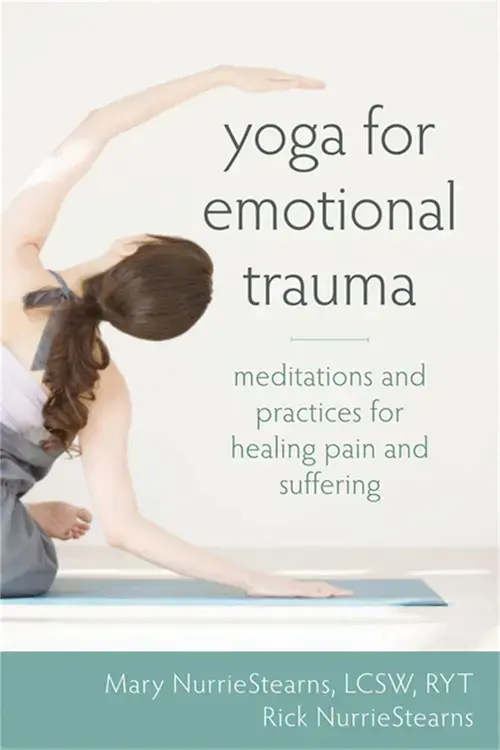
Yoga for Emotional Trauma by Mary NurrieStearns, LCSW, RYT, and Rick NurrieStearns is a groundbreaking book that bridges psychotherapy, mindfulness, and yoga to help people heal from the deep impact of emotional trauma. Unlike traditional treatments that focus solely on the mind, this book integrates body-based practices to address how trauma lives within the nervous system, emotions, and physical body. It provides readers with practical tools rooted in compassion, yoga philosophy, and modern brain science, making it an essential guide for trauma recovery.
At the heart of the book is the principle that healing requires compassion. Trauma often damages self-worth, trust, and the ability to feel safe. Through self-compassion and mindful practices, individuals can open their hearts, release grief, and reconnect with their inner strength. The authors emphasize that trauma recovery is not just about eliminating pain but about rediscovering wholeness and resilience.
The book explains how yoga postures, mindful breathing, and meditation support trauma healing. Trauma creates patterns of fear, anxiety, and disconnection from the body. Yoga helps reverse these patterns by calming the nervous system, releasing stored tension, and restoring a sense of safety. Breathing techniques and mantras allow practitioners to regulate emotions, reduce stress, and experience inner calm.
Each chapter offers step-by-step practices that empower readers to take an active role in their recovery. These include yoga poses for grounding and safety, compassion meditations, mindful awareness exercises, and guided self-inquiry to challenge negative self-concepts. The authors also integrate stories of personal healing and client experiences, making the book relatable and inspiring.
Importantly, the NurrieStearns highlight how trauma affects not only emotions but also thoughts, identity, and spirituality. Many survivors struggle with feelings of shame, fear, or disconnection. Yoga philosophy teaches that despite trauma, one’s true self remains untouched—pure, whole, and worthy. This spiritual perspective encourages readers to move beyond victimhood and embrace life as a blessing.
The book also explores the science of trauma and healing. It explains how practices like mindfulness and compassion alter brain function, strengthening regions that regulate fear and supporting emotional resilience. By combining psychology, neuroscience, and yoga, the authors provide a holistic roadmap for recovery.
Yoga for Emotional Trauma is written for a wide audience: trauma survivors, yoga practitioners, therapists, and anyone seeking emotional healing. It offers both theory and practice, blending personal stories, scientific research, and accessible yoga techniques.
In summary, this book is more than a self-help manual—it is a transformational guide. It shows how trauma can be healed through compassion, present-moment awareness, and body-centered practices. With its clear instructions, gentle tone, and deep wisdom, Yoga for Emotional Trauma empowers readers to release suffering, rediscover joy, and cultivate resilience in body, mind, and spirit.
100 Key Points from Yoga for Emotional Trauma.
- Yoga for Emotional Trauma blends psychotherapy, mindfulness, and yoga for holistic healing.
- Trauma recovery requires compassion as a foundation for healing.
- Yoga helps release emotional trauma stored in the body.
- Breathing exercises calm the nervous system and reduce stress.
- Compassionate self-care rebuilds self-worth after trauma.
- Mindfulness practices increase present-moment awareness.
- Yoga postures restore balance between body, mind, and spirit.
- Trauma can damage self-identity; yoga helps reconnect to true self.
- Emotional healing requires both mental and physical practices.
- Self-compassion transforms grief and fear into inner strength.
- Yoga philosophy teaches that trauma does not define you.
- Gentle yoga poses provide grounding and safety for trauma survivors.
- Meditation reduces anxiety and promotes emotional clarity.
- Compassion practices melt emotional pain and restore peace.
- Trauma survivors benefit from yoga mantras for healing.
- Yoga teaches that you are more than your thoughts and experiences.
- Breath awareness is a key practice for trauma recovery.
- Mind-body connection plays a vital role in healing trauma.
- Healing trauma requires opening the heart to compassion.
- Yoga helps process difficult emotions safely.
- Compassion practices lessen shame and rebuild self-trust.
- Yoga improves resilience against post-traumatic stress disorder (PTSD).
- Trauma survivors can regulate emotions through mindful breathing.
- Yoga helps release fear stored in muscles and tissues.
- Meditation practices reduce trauma-related stress patterns.
- Trauma often creates disconnection; yoga restores wholeness.
- Healing involves cultivating present-moment awareness daily.
- Yoga practices calm hyperactive stress responses caused by trauma.
- Self-inquiry in yoga helps identify false beliefs from trauma.
- Compassion meditations soften anger into grief, then into healing.
- Yoga encourages non-judgmental awareness of emotions.
- Consistent practice builds emotional resilience and stability.
- Trauma affects physiology; yoga supports physical recovery.
- Yoga strengthens the parasympathetic nervous system.
- Emotional trauma healing requires patience and persistence.
- Practicing yoga builds trust in self and others.
- Healing with yoga fosters inner peace and balance.
- Trauma survivors benefit from affirmations combined with yoga.
- Yoga teaches that self-worth is inherent, not earned.
- Compassion reduces re-traumatization during recovery.
- Yoga strengthens emotional regulation skills.
- Trauma can cause shame-based identity; yoga heals this.
- Mindful yoga movement reduces anxiety and depression.
- Self-care rituals in yoga foster healing after trauma.
- Yoga mantras help trauma survivors focus and calm the mind.
- Compassionate breathing reduces stress hormones.
- Yoga philosophy emphasizes human life as sacred.
- Healing trauma requires recognizing suffering without judgment.
- Trauma survivors can transform pain into wisdom through yoga.
- Yoga empowers survivors to reclaim personal strength.
- Compassion meditation changes trauma-related brain patterns.
- Yoga supports spiritual growth alongside emotional healing.
- Trauma survivors need grounding practices for safety.
- Mindfulness reduces trauma-based negative thought loops.
- Yoga improves self-awareness, crucial for recovery.
- Healing trauma requires releasing old narratives of unworthiness.
- Yoga restores harmony between thoughts and emotions.
- Yoga empowers survivors to face painful memories gently.
- Compassion reduces fear-driven behavior patterns.
- Breathing techniques help trauma survivors regulate energy.
- Healing trauma involves reclaiming joy and fulfillment.
- Yoga teaches resilience through acceptance and awareness.
- Yoga for trauma integrates body, mind, and spirit healing.
- Practicing yoga nurtures emotional safety and stability.
- Compassionate self-talk is a yoga-based healing tool.
- Healing requires shifting from victimhood to empowerment.
- Trauma survivors benefit from compassionate physical practices.
- Yoga reduces isolation by connecting body and spirit.
- Healing involves accepting emotions without resistance.
- Trauma recovery requires integrating science and yoga wisdom.
- Yoga helps trauma survivors reconnect with inner stillness.
- Compassion practices counteract trauma-induced self-criticism.
- Yoga encourages surrender to the present moment.
- Breathing deeply activates healing parasympathetic responses.
- Healing trauma requires patience, compassion, and mindfulness.
- Yoga restores confidence and self-trust.
- Yoga reduces stress caused by unresolved trauma.
- Healing involves building awareness of inner resilience.
- Trauma survivors need consistent compassionate practices.
- Yoga mantras foster inner peace during trauma recovery.
- Healing involves transforming fear into understanding.
- Yoga philosophy emphasizes that trauma is not identity.
- Compassion opens pathways to forgiveness and release.
- Trauma survivors benefit from journaling alongside yoga.
- Yoga balances brain activity disrupted by trauma.
- Meditation reduces overactive stress circuits in trauma survivors.
- Yoga provides tools for emotional self-regulation.
- Healing trauma involves seeing life as a blessing.
- Compassion reduces self-blame caused by trauma.
- Yoga helps restore safe connection to the body.
- Trauma survivors need gentle, consistent yoga practices.
- Yoga philosophy teaches inner wholeness despite pain.
- Healing involves shifting focus from suffering to growth.
- Yoga integrates movement, breath, and awareness for trauma healing.
- Compassion practices empower survivors to reclaim joy.
- Trauma survivors can access inner strength through yoga.
- Healing requires building daily rituals of compassion.
- Yoga creates space between pain and reaction.
- Healing involves balancing body, mind, and spirit.
- Yoga for Emotional Trauma is a roadmap to resilience, freedom, and peace.
. . .