

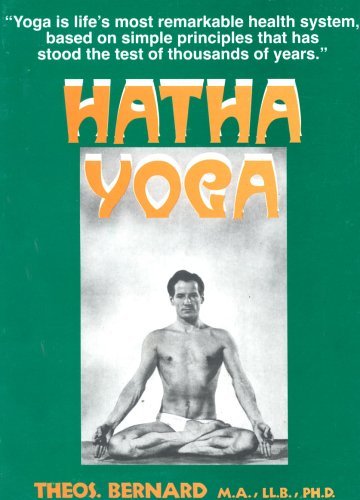
Hatha Yoga by Theos Bernard Image
5/10 517 views Updated: 1 week ago

Hatha Yoga by Theos Bernard

The text emphasizes the importance of purification, breath control (pranayama), and physical postures (asanas) as foundational practices to awaken the latent spiritual force, Kundalini. Bernard details techniques such as dhauti (internal cleansing), nauli (abdominal rolling), and mudras (gestures or locks) to prepare the body and mind for advanced practices. He describes the mental phenomena experienced during his retreat, inc...

100 key points from "Hatha Yoga: The Report of a Personal Experience" by Theos Bernard:


  1. Hatha Yoga focuses on physical and mental control. ​
  2. The term "Hatha" symbolizes the union of sun (right nostril) and moon (left nostril) breaths. ​
  3. Yoga means "to join" or "union." ​
  4. The ultimate goal of Hatha Yoga is samadhi, a state of blissful absorption. ​
  5. Kundalini is the latent spiritual force within the body. ​
  6. Awakening Kundalini is central to Hatha Yoga. ​
  7. Purification of the body is essential before advanced practices. ​
  8. Dhauti involves internal cleansing using a cloth.
  9. Neti cleanses the nasal passages. ​
  10. Basti purifies the colon using water.
  11. Uddiyana strengthens abdominal muscles and stimulates energy flow. ​
  12. Nauli involves rolling abdominal muscles for purification. ​
  13. Asanas (postures) are foundational for physical and mental stability. ​
  14. Siddhasana and Padmasana are essential meditation postures. ​
  15. Sarvangasana (shoulder stand) improves blood flow to the brain. ​
  16. Halasana (plow posture) stretches the spine. ​
  17. Mayurasana (peacock posture) strengthens the digestive system.
  18. Bhujangasana (cobra posture) stimulates the spine. ​
  19. Dhanurasana (bow posture) enhances flexibility.
  20. Mudras are techniques to lock energy within the body. ​
  21. Maha Mudra helps eliminate toxins and diseases. ​
  22. Jalandhara Bandha (chin lock) prevents energy loss.
  23. Mula Bandha (root lock) controls the lower energy centers. ​
  24. Khecari Mudra involves swallowing the tongue to control breath. ​
  25. Viparita Karani (headstand) reverses energy flow.
  26. Pranayama is the regulation of breath. ​
  27. Alternate nostril breathing purifies nadis (nerve channels). ​
  28. Bhastrika (bellows breath) energizes the body.
  29. Ujjayi (victorious breath) calms the mind.
  30. Sitali and Sitkari cool the body. ​
  31. Bhramari (bee breath) induces mental calmness. ​
  32. Kevala Kumbhaka is the ultimate breath suspension. ​
  33. Raja Yoga is the culmination of Hatha Yoga practices. ​
  34. The mind must be stilled for samadhi. ​
  35. Inner lights (tattvic lights) appear during advanced practices. ​
  36. Sambhavi Mudra focuses the mind on the space between the eyebrows. ​
  37. Nada Yoga involves listening to internal sounds. ​
  38. The four stages of Yoga are Arambha, Ghata, Parichaya, and Nispatti. ​
  39. Arambha involves initial purification and inner sounds. ​
  40. Ghata unites energies in the central channel. ​
  41. Parichaya leads to higher knowledge and ecstasy. ​
  42. Nispatti is the final stage of blissful absorption. ​
  43. Success in Yoga requires discipline and secrecy.
  44. A guru's guidance is essential for progress. ​
  45. Yoga is not a correspondence course; direct supervision is needed. ​
  46. The body must be free of impurities for pranayama. ​
  47. The six kriyas (purification techniques) are vital. ​
  48. Excessive effort in Yoga can lead to harm. ​
  49. Yoga practices should be gradual and consistent. ​
  50. The mind and breath are interconnected. ​
  51. Controlling breath leads to controlling the mind. ​
  52. The practice of Yoga enhances physical health. ​
  53. Yoga improves mental clarity and focus. ​
  54. The appearance of inner lights signifies progress.
  55. The white light represents higher spiritual energy.
  56. Kundalini awakening requires sustained effort. ​
  57. Ceremony and ritual can aid mental focus but do not awaken Kundalini. ​
  58. Yoga can be practiced by householders. ​
  59. Isolation is not necessary for Yoga practice. ​
  60. Yoga should be kept secret for effectiveness. ​
  61. Success in Yoga comes through practice, not theory. ​
  62. The Yoga Sutras of Patanjali provide foundational principles. ​
  63. Hatha Yoga Pradipika is a key text for techniques. ​
  64. Gheranda Samhita emphasizes purification and discipline. ​
  65. Siva Samhita integrates metaphysical concepts with practices. ​
  66. The teacher-student relationship is sacred in Yoga. ​
  67. Faith and perseverance are essential for success. ​
  68. Yoga practices should be adapted to individual needs. ​
  69. The body becomes lean and radiant through Yoga. ​
  70. The mind becomes calm and steady with practice. ​
  71. Yoga reduces hunger and thirst. ​
  72. The practice of Yoga enhances longevity. ​
  73. Yoga eliminates minor ailments and improves immunity.
  74. The ultimate aim of Yoga is liberation (moksha).
  75. Yoga harmonizes the physical, mental, and spiritual aspects.
  76. The practice of Yoga requires a clean and quiet environment. ​
  77. Spring and autumn are ideal seasons for starting Yoga. ​
  78. Moderation in diet is crucial for Yoga practice. ​
  79. Foods should be pure, sweet, and nourishing. ​
  80. Bitter, sour, and pungent foods should be avoided. ​
  81. Early morning baths and fasting are discouraged. ​
  82. Yoga should be practiced at fixed times daily.
  83. The headstand improves concentration and energy flow.
  84. The candle exercise aids in mental focus. ​
  85. The practice of trataka enhances inner vision.
  86. The mind must be free of distractions for samadhi. ​
  87. The practice of dharanas aids mental absorption. ​
  88. The five dharanas focus on earth, water, fire, air, and ether. ​
  89. The practice of Yoga leads to self-realization. ​
  90. Yoga reveals the interconnectedness of all life.
  91. The practice of Yoga enhances spiritual awareness. ​
  92. Yoga is a path to inner peace and contentment. ​
  93. The practice of Yoga requires patience and dedication. ​
  94. Yoga is a science of self-transformation.
  95. The teachings of Yoga are universal and timeless.
  96. Yoga integrates physical, mental, and spiritual practices.
  97. The practice of Yoga leads to mastery over the senses. ​
  98. Yoga enhances vitality and energy. ​
  99. The practice of Yoga fosters compassion and humility.
  100. Yoga is a journey of self-discovery and enlightenment. ​


. . .

Related Books Reviews