

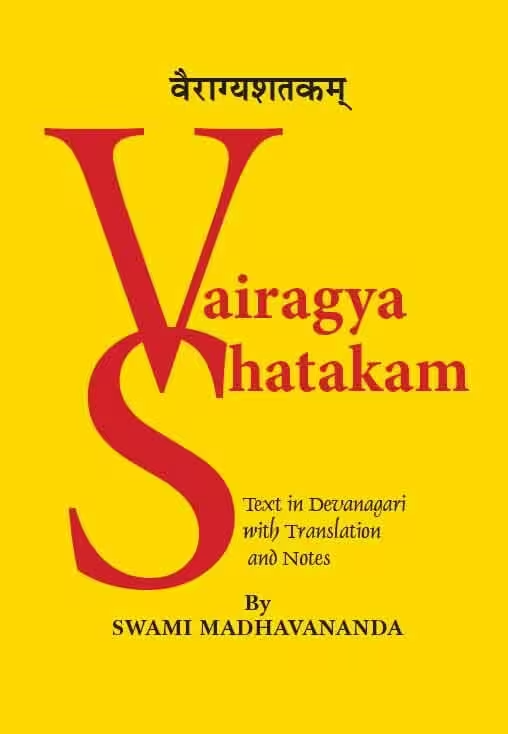
Vairagya Shatakam Translated by Swami Madhavananda
The Vairagya Satakam by Bhartrihari, translated by Swami Madhavananda, is a poetic reflection on renunciation, emphasizing the impermanence of worldly pleasures and the futility of material pursuits. Through vivid metaphors and contemplative verses, it highlights the inevitability of aging, death, and suffering, urging readers to seek spiritual wisdom and inner peace. The text underscores detachment, contentment, and meditatio...
The Vairagya Satakam (Hundred Verses on Renunciation) by Bhartrihari, translated by Swami Madhavananda, is a profound poetic work focusing on the transient nature of worldly pleasures and the virtues of renunciation.
The Vairagya Satakam explores themes of impermanence, the futility of desires, the inevitable passage of time, and the spiritual wisdom gained through renunciation. Bhartrihari's reflections cover both personal experiences and universal truths about human life, emphasizing the value of living a life detached from material pursuits.

Why You Should Read It
- Spiritual Insight: The text provides timeless wisdom on leading a life aligned with higher spiritual values.
- Philosophical Depth: It encourages introspection and a deeper understanding of life’s fleeting nature.
- Poetic Beauty: The verses are beautifully composed and carry deep meaning, making them both an intellectual and aesthetic pleasure.
- Practical Guidance: Those interested in ascetic practices or finding peace amidst worldly chaos will find valuable advice.
100 Important Points from the Vairagya Satakam
- Life is fleeting, like water on a lotus leaf.
- The pursuit of material pleasures leads to dissatisfaction.
- The human body deteriorates with time, but desires remain insatiable.
- Time devours everything, including youth, beauty, and strength.
- The wise should seek inner peace through spiritual detachment.
- Attachment to worldly things results in suffering.
- True renunciation brings fearlessness and liberation.
- Self-respect is often sacrificed for material gain.
- Wealth does not guarantee happiness or contentment.
- True wealth lies in spiritual knowledge and wisdom.
- Kingship and power are transient and subject to time.
- Austerity and simplicity lead to freedom from societal shackles.
- Meditation on the divine brings true bliss.
- Desires are likened to a river that erodes patience.
- The poet criticizes the foolishness of clinging to ephemeral joys.
- Natural elements provide sustenance without need for material indulgence.
- The futility of seeking approval from others is highlighted.
- The deceptive allure of sensory pleasures is akin to bait for a fish.
- Acceptance of natural life elements fosters peace.
- Greed disrupts contentment and brings chaos.
- Wealth often leads to arrogance and societal divisions.
- Simplicity in living brings happiness.
- Old age and disease are inevitable truths.
- Reflection on mortality fosters wisdom.
- Death is a great equalizer, sparing none.
- Renunciation should be guided by wisdom, not compulsion.
- Time plays a relentless game with life.
- Contentment is a rare and invaluable virtue.
- The fleeting nature of youthful pleasures is emphasized.
- Pleasures come with inherent dangers and responsibilities.
- The mind should be trained for spiritual pursuits.
- Mortality makes worldly pursuits futile.
- Relationships dissolve with time, highlighting impermanence.
- Nature itself is a witness to the transience of life.
- Ascetics find joy in solitude and meditation.
- Even kings succumb to time’s relentless march.
- The poet advocates for introspection over external pursuits.
- Desire is the root of all bondage.
- Self-realization leads to ultimate freedom.
- Contentment with nature’s provisions brings peace.
- The poet calls for the rejection of pride and arrogance.
- Spiritual fulfillment is described as the ultimate enjoyment.
- Life should be devoted to the pursuit of liberation.
- Ignorance binds humanity to futile endeavors.
- The contemplation of divine realities frees the mind.
- The poet values knowledge over material success.
- Living a meaningful life requires aligning with spiritual truths.
- Ego and pride are obstacles to liberation.
- Wisdom lies in recognizing the impermanence of all things.
- Serving society without attachment is a noble path.
- Renunciation is the key to attaining spiritual heights.
- The poet differentiates between worldly and spiritual gains.
- Mindfulness fosters detachment from sensory pleasures.
- Contentment is superior to wealth.
- Ascetic practices strengthen the spirit.
- The poet dismisses the allure of material indulgence.
- Social status and power are illusions created by ego.
- Charity and humility are true signs of strength.
- Prayer and devotion align the soul with the divine.
- Resilience against material distractions strengthens resolve.
- The poet condemns hypocrisy in spiritual practice.
- Self-discipline leads to liberation.
- The poet emphasizes sincerity in all endeavors.
- Meditation purifies the mind.
- Renouncing egoistic tendencies brings peace.
- Simple living fosters higher thinking.
- Pride is a barrier to spiritual growth.
- Reflection on past mistakes fosters wisdom.
- The poet advises against excessive dependence on others.
- The eternal truth lies beyond sensory perceptions.
- Acceptance of life’s transience fosters detachment.
- The pursuit of knowledge is a noble path.
- Even the greatest empires succumb to time.
- Wealth should be used wisely for societal benefit.
- Inner contentment is superior to external possessions.
- True joy is found in spiritual enlightenment.
- Worship of the divine cleanses the soul.
- Compassion and humility are virtues of the enlightened.
- Ascetic life is praised for its purity.
- The poet values character over material accomplishments.
- The wise prioritize spiritual pursuits.
- Love for humanity aligns with divine will.
- Resisting temptation strengthens character.
- Wisdom brings clarity amidst confusion.
- The poet calls for courage in renouncing material desires.
- Self-awareness is the foundation of spiritual growth.
- Humility is a mark of true wisdom.
- The pursuit of truth requires perseverance.
- Meditation brings inner tranquility.
- The poet emphasizes self-control over impulsive desires.
- Spiritual practice requires discipline and sincerity.
- The poet highlights the futility of social status.
- Love for truth transcends worldly attachments.
- The poet advocates for spiritual liberation over material gain.
- Mindful living aligns the soul with divine purpose.
- Spiritual detachment fosters resilience.
- The poet calls for wisdom in life’s decisions.
- Renunciation is celebrated as a path to true freedom.
- The poet emphasizes the unity of life and divinity.
- . Spiritual awakening is the ultimate goal of human existence.