Introduction to Adiyogi
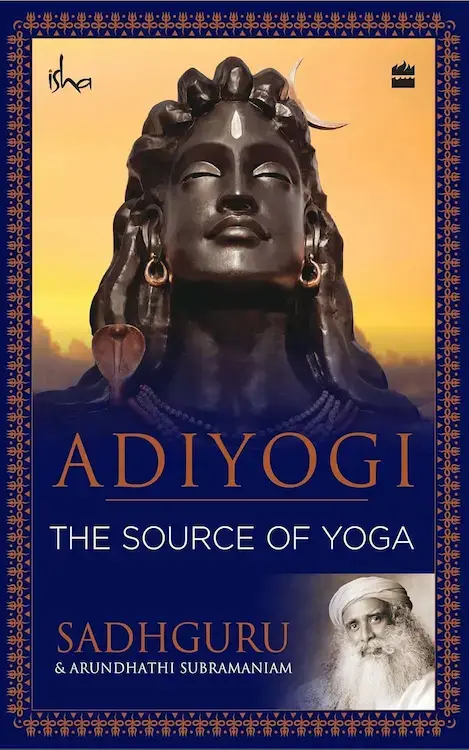
Adiyogi: The Source of Yoga by Sadhguru is a powerful exploration of yoga’s origins, spiritual science, and transformative potential. The book centers on Shiva, revered not only as a deity but as the first yogi—Adiyogi—who offered humanity the possibility of transcending limitations. Over 15,000 years ago, Adiyogi transmitted the essence of yoga to seven disciples, the Saptarishis. This transmission became the foundation of the yogic tradition, influencing civilizations across India, Asia, and beyond.
Unlike religious texts that demand belief, Adiyogi presents yoga as a science of self-realization. Sadhguru emphasizes that yoga is not just physical postures but a comprehensive path to balance, freedom, and ultimate liberation.
Shiva as the First Yogi
Sadhguru redefines Shiva not as a mythological god but as a historical and mystical figure who embodied the highest possibility of human consciousness. Adiyogi is portrayed as a teacher who saw the human system as a microcosm of the universe. His insights were not meant for worship but for transformation.
Shiva’s teachings highlighted:
- The Science of Self-Realization: Liberation is not about heaven or afterlife, but about breaking free from psychological, emotional, and karmic limitations.
- Tools for Transformation: Through meditation, breath, and inner awareness, human beings can consciously evolve beyond instinctual living.
- Conscious Choice: Unlike animals, humans can reshape their destiny through awareness.
The Transmission to the Saptarishis
One of the central stories in the book is about Shiva’s transmission of yogic wisdom to seven seekers who became the Saptarishis. After long periods of intense sadhana, they absorbed different aspects of the yogic sciences and carried this knowledge worldwide.
- One rishi went to South America, influencing Mayan and other ancient cultures.
- Another traveled to Egypt, shaping mystical traditions.
- Others spread yoga across Asia, embedding yogic principles in many ancient civilizations.
This dissemination made yoga not just an Indian practice but a universal science of consciousness.
Yoga Beyond Asanas
A key theme of the book is that yoga is far more than physical postures (asanas). Sadhguru emphasizes the four major paths of yoga:
- Karma Yoga – Path of selfless action.
- Bhakti Yoga – Path of devotion and surrender.
- Jnana Yoga – Path of knowledge and intellect.
- Kriya Yoga – Path of energy and inner transformation.
These four streams offer different approaches depending on individual temperament, but all lead to the same goal: union with the ultimate reality.
Science, Spirituality, and Yoga
Sadhguru bridges modern science with yogic wisdom. He explains that yoga is not about faith, but about experimenting with consciousness. Just as science studies the external universe, yoga studies the inner universe. Both rely on observation, experience, and practice.
Key points include:
- Biology and genetics do not determine destiny—consciousness does.
- Human beings can reprogram their physical and mental states through yogic practices.
- Liberation (moksha) is the ultimate technology of freedom.
Adiyogi and Inner Engineering
The book connects the ancient wisdom of Adiyogi with Sadhguru’s modern program, Inner Engineering. This program is rooted in the same science Adiyogi shared: aligning body, mind, emotion, and energy.
Yoga, in this sense, becomes:
- A tool for stress management.
- A path to balance and clarity.
- A doorway to transcendence.
Myth and Symbolism in Adiyogi’s Story
Sadhguru decodes many myths associated with Shiva:
- The Third Eye: Symbolizes inner vision and perception beyond the physical.
- Crescent Moon: Represents mastery over time.
- The Blue Throat (Neelkanth): Signifies the ability to transform poison into nectar—turning suffering into wisdom.
- Mount Kailash: Seen as the axis of the world, a source of immense spiritual energy where Shiva taught his disciples.
Through these symbols, Sadhguru shows that mythology is not fantasy but a sophisticated way of conveying spiritual truths.
The Relevance of Adiyogi Today
In today’s fast-paced, stressed world, Adiyogi’s teachings are more relevant than ever. Sadhguru explains that yoga provides:
- Mental Balance: Reduces anxiety and overthinking.
- Emotional Stability: Helps manage relationships and inner conflicts.
- Physical Health: Enhances vitality and reduces disease.
- Spiritual Growth: Opens the door to bliss, peace, and liberation.
Key Takeaways from the Book
- Yoga is a Science, Not Religion – It does not demand belief, only practice.
- Human Potential is Infinite – Through awareness, humans can transcend limitations.
- Liberation is the Goal – Freedom from suffering, karma, and cycles of birth and death.
- Adiyogi is the Source – Shiva is celebrated as the origin of yogic sciences.
- The Journey is Personal – Each seeker must walk the path in their own way.
Conclusion
Sadhguru’s Adiyogi: The Source of Yoga is not just a biography of Shiva but a timeless manual for self-realization. It explains how Adiyogi, the first yogi, gifted humanity the science of yoga as a path to freedom. The book demystifies myths, presents yoga as a spiritual technology, and inspires readers to explore their inner potential.
For anyone searching for the origins of yoga, the philosophy of Shiva, or the teachings of Sadhguru, Adiyogi offers clarity, depth, and transformation. Whether you are a beginner or an advanced seeker, this book provides a roadmap to balance, bliss, and ultimate liberation.
100 Important Points from Adiyogi: The Source of Yoga
1. Who is Adiyogi? (The First Yogi)
- Shiva is not merely a god but the first yogi—Adiyogi.
- Adiyogi represents the source of all yogic sciences.
- Over 15,000 years ago, Adiyogi appeared in the Himalayas.
- He is portrayed as both ascetic and ecstatic, embodying duality.
- Adiyogi is the first being to transmit yoga consciously to humans.
- His teachings were not about worship but transformation.
- Adiyogi is described as timeless, beyond culture and religion.
- He is both wild and serene—an embodiment of cosmic contradictions.
- Adiyogi is the axis of yogic tradition worldwide.
- Sadhguru emphasizes Adiyogi as a living presence, not mythology.
2. The Transmission of Yoga
- Adiyogi initially remained silent, absorbed in ecstasy.
- People gathered but left when nothing “miraculous” happened.
- Only seven seekers (Saptarishis) stayed committed.
- After years of intense sadhana, they earned Adiyogi’s grace.
- On Guru Poornima, he transmitted yoga to them.
- Each rishi received different aspects of yoga.
- The Saptarishis spread yoga across the world.
- Ancient civilizations like Egypt, South America, and Mesopotamia were influenced.
- This made yoga a universal science, not just Indian.
- The tradition has been unbroken for millennia.
3. The Science of Yoga
- Yoga means union—merging with the ultimate.
- Yoga is a science, not a religion.
- It does not demand belief, only practice.
- The goal of yoga is liberation (moksha).
- Biology is not destiny—consciousness is.
- Human beings can consciously evolve.
- Yoga is about inner transformation, not rituals.
- Liberation is the ultimate technology of freedom.
- Yoga views humans as a microcosm of the universe.
- Self-realization is its true purpose.
4. Paths of Yoga
- Karma Yoga – selfless action.
- Bhakti Yoga – devotion and surrender.
- Jnana Yoga – knowledge and wisdom.
- Kriya Yoga – mastery of energy.
- All four paths lead to the same goal.
- Individuals may choose paths suited to temperament.
- Karma Yoga dissolves ego through action.
- Bhakti Yoga dissolves boundaries through love.
- Jnana Yoga dissolves ignorance through knowledge.
- Kriya Yoga dissolves limitations through energy mastery.
5. Myths and Symbolism of Shiva
- The third eye represents inner vision.
- The crescent moon symbolizes mastery over time.
- The blue throat (Neelkanth) shows transformation of poison into wisdom.
- Snake adornment signifies awareness and alertness.
- Tiger skin symbolizes transcendence of animal instincts.
- Ganga flowing from Shiva’s hair represents wisdom nourishing the world.
- Shiva’s dance (Tandava) embodies cosmic rhythm.
- Mount Kailash is revered as his energetic abode.
- His half-male, half-female form (Ardhanarishvara) symbolizes unity of opposites.
- Every symbol encodes profound yogic truths.
6. Lessons on Consciousness
- Consciousness is the key to human evolution.
- Yoga teaches mastery over body, mind, and energy.
- Awareness can transform compulsions into choice.
- Meditation is central to experiencing higher states.
- Yoga aligns physical, mental, emotional, and energy layers.
- Mind is a powerful tool but must be transcended.
- Conscious living means freedom from mechanical habits.
- Awareness brings balance, peace, and joy.
- Inner experience is more important than belief.
- Self-realization comes through turning inward.
7. Practical Relevance of Yoga Today
- Yoga reduces stress and anxiety.
- It improves physical health and vitality.
- It sharpens focus and clarity.
- It balances emotions.
- It deepens relationships.
- It fosters resilience.
- Yoga is a tool for leadership and success.
- Inner engineering is a modern application of ancient science.
- Yoga empowers individuals to handle challenges.
- It is universal—relevant across cultures and religions.
8. Philosophy of Liberation
- The ultimate goal is liberation, not heaven.
- Liberation means freedom from suffering.
- It is freedom from karma and rebirth cycles.
- Liberation is experiencing boundless existence.
- Self-realization is realizing you are not separate.
- Liberation is available to anyone who seeks sincerely.
- Adiyogi’s teaching is that every human can evolve consciously.
- The seed of liberation was planted on Guru Poornima.
- Liberation requires breaking identification with the body and mind.
- The path demands discipline and openness.
9. Sadhguru’s Perspective
- Mysticism is science, not superstition.
- Knowledge can be transmitted as energy, not memory.
- Sadhguru considers himself a channel for Adiyogi.
- He emphasizes experiential wisdom over scriptural knowledge.
- He calls Adiyogi his “50% partner in everything.”
- Sadhguru’s own enlightenment was spontaneous at Chamundi Hill.
- His life’s mission became consecrating the Dhyanalinga.
- Dhyanalinga is Shiva in pure energy form.
- Sadhguru uses stories to make myths alive.
- His teachings blend logic with mystical insights.
10. Key Takeaways from the Book
- Adiyogi is the origin of yoga.
- Yoga is a universal science of liberation.
- Myths carry encoded spiritual truths.
- Yoga is not limited to asanas.
- Every human has potential for self-realization.
- Liberation is possible here and now.
- Yoga empowers individuals to shape destiny.
- Adiyogi represents eternal wisdom for all seekers.
- The book is both an invocation and inspiration.
- The true aim of life is to become free, blissful, and whole.

Download the infographic
. . .