

The 8 Limbs of Yoga Explained: It’s More Than Just Poses
The 8 Limbs of Yoga, as outlined in Patanjali’s Yoga Sutras, offer a holistic path to spiritual growth and self-realization beyond physical poses. These include ethical principles (Yama), personal disciplines (Niyama), postures (Asana), breath control (Pranayama), sense withdrawal (Pratyahara), concentration (Dharana), meditation (Dhyana), and blissful union (Samadhi). Together, they guide practitioners toward inner peace, balance, and enlightenment. By embracing these limbs, yoga becomes more than a workout—it transforms into a lifestyle rooted in mindfulness, compassion, and deep personal growth. Yoga is truly a journey inward.


Yoga is far more than stretching on a mat or mastering a perfect headstand. Rooted in ancient Indian philosophy, yoga offers a holistic path to personal transformation. If you've ever wondered what lies beyond the physical practice, you're not alone. The 8 Limbs of Yoga, as outlined in Patanjali’s Yoga Sutras, offer a roadmap to living a balanced, ethical, and spiritually enriched life.
In this post, we’ll explore each limb in detail and discover how yoga extends far beyond physical poses (asanas). Whether you're a seasoned yogi or a curious beginner, this guide will help you deepen your understanding of yoga's true essence.
What Are the 8 Limbs of Yoga?
The 8 Limbs of Yoga are part of the Yoga Sutras of Patanjali, a foundational text written around 200 BCE. These eight steps guide individuals toward self-realization and spiritual freedom, moving from external practices to internal mastery.
Here’s a quick overview:
- Yama (Ethical Restraints)
- Niyama (Personal Observances)
- Asana (Physical Postures)
- Pranayama (Breath Control)
- Pratyahara (Withdrawal of the Senses)
- Dharana (Concentration)
- Dhyana (Meditation)
- Samadhi (Union with the Divine)
Let’s explore each limb in depth.
1. Yama: Ethical Guidelines for Living
The first limb, Yama, focuses on ethical standards and how we interact with the world. It includes five core principles:
- Ahimsa (Non-violence): Practicing kindness to all beings, including yourself.
- Satya (Truthfulness): Being honest in words and actions.
- Asteya (Non-stealing): Avoiding theft in all forms, including time and energy.
- Brahmacharya (Moderation): Exercising self-restraint, often interpreted as wise use of energy.
- Aparigraha (Non-possessiveness): Letting go of greed and material attachment.
Why it matters: Yama builds the foundation for a peaceful, compassionate, and ethical life—essential for deeper spiritual work.
2. Niyama: Personal Disciplines
While Yama focuses on your relationship with others, Niyama centers on self-discipline and spiritual observance:
- Shaucha (Cleanliness): Purity of body, mind, and environment.
- Santosha (Contentment): Acceptance and gratitude for what is.
- Tapas (Discipline): Inner fire or determination to grow.
- Svadhyaya (Self-study): Study of sacred texts and self-reflection.
- Ishvarapranidhana (Surrender to the Divine): Trusting a higher power.
How it helps: Practicing Niyama cultivates inner strength, mindfulness, and a deeper connection to your spiritual path.
3. Asana: The Physical Postures
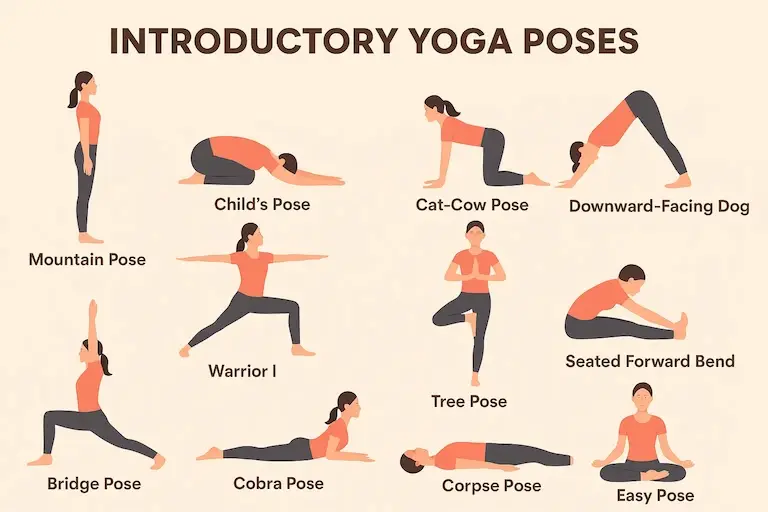
Most people associate yoga with this third limb—Asana, the physical postures. Originally, these postures were developed to prepare the body for long periods of seated meditation.
In modern yoga, asanas offer many physical and mental benefits:
- Improve flexibility and strength
- Enhance posture and alignment
- Reduce stress and anxiety
- Increase body awareness
Beyond fitness: While fitness is a benefit, the deeper aim of asana is to create a steady, comfortable body for meditation and spiritual practice.
4. Pranayama: Mastery of the Breath
Pranayama refers to conscious breathing techniques that control the life force, or prana, within the body. It’s the bridge between the mind and the body.
Popular pranayama practices include:
- Nadi Shodhana (Alternate nostril breathing)
- Kapalabhati (Cleansing breath)
- Ujjayi (Victorious breath)
- Bhramari (Bee breath)
Why practice pranayama?
- Reduces stress and anxiety
- Enhances mental clarity
- Balances energy channels
- Supports meditation
By mastering the breath, we learn to master the mind.
5. Pratyahara: Turning Inward
Pratyahara is the practice of withdrawing the senses from external distractions. Think of it as tuning out the noise of the world so you can tune in to your inner self.
It’s not about ignoring your senses, but about consciously redirecting your attention inward.
Benefits of Pratyahara:
- Develops inner awareness
- Reduces overstimulation
- Prepares the mind for concentration and meditation
Pratyahara acts as a bridge between the outer physical practice and the inner meditative state.
6. Dharana: Cultivating Focus
Once the senses are quieted, we can focus. Dharana is the practice of one-pointed concentration.
This can involve:
- Focusing on a mantra
- Gazing at a candle flame (Trataka)
- Concentrating on the breath or heart center
In our distraction-heavy world, cultivating dharana can:
- Sharpen mental clarity
- Improve productivity
- Support deeper meditation
Dharana trains the mind to stay steady, an essential skill for spiritual growth and daily life alike.
7. Dhyana: Deep Meditation
Dhyana is a natural extension of Dharana—when focused concentration deepens into continuous, effortless meditation.
In Dhyana:
- The mind is calm, steady, and spacious
- Thoughts may come and go without attachment
- There is a sense of still presence
Practicing Dhyana regularly:
- Cultivates inner peace
- Reduces mental chatter
- Deepens spiritual connection
This is where true transformation begins.
8. Samadhi: Blissful Union
The final limb, Samadhi, is the culmination of all the previous practices—a state of oneness with the universe, often described as enlightenment or spiritual absorption.
In Samadhi:
- The ego dissolves
- Duality fades
- Pure awareness and bliss remain
While rare and often fleeting, moments of Samadhi can give profound insights into the nature of self and existence.
Why the 8 Limbs of Yoga Still Matter Today
In a culture obsessed with productivity and physical appearance, the deeper purpose of yoga is often forgotten. The 8 Limbs of Yoga offer timeless wisdom for cultivating a balanced life.
Modern applications include:
- Practicing Ahimsa in food choices and relationships
- Using Asana and Pranayama for mental health
- Turning to Dharana and Dhyana for stress relief and mindfulness
- Embracing contentment (Santosha) in a world of comparison
Whether you're on the mat or in traffic, these teachings can guide you toward a more intentional and meaningful life.
Final Thoughts: Yoga Is a Way of Life
Understanding the 8 Limbs of Yoga opens the door to a fuller, richer practice. It’s not just about flexibility or mastering poses—it’s about cultivating awareness, compassion, and inner peace.
By integrating even a few of these principles into your daily life, you'll experience the true essence of yoga: unity of body, mind, and spirit.
Ready to Deepen Your Practice?
Whether you're a yoga teacher or a home practitioner, the 8 Limbs can transform your perspective on what yoga truly is. Begin by choosing one limb—perhaps Ahimsa or Pranayama—and integrate it into your routine. Growth happens one breath, one practice, one insight at a time.
Namaste.
Frequently Asked Questions
Popular posts
- 🧘♂️ 10 Best Free Meditation Apps to Reduce Stress and Anxi...
- 20 notable yogis and spiritual practitioners who lived more...
- Yoga Poses for Flexibility and Strength: Build a Balanced, S...
- Tantra Yoga for Beginners - A Complete Guide
- Beginner Yoga Poses with Pictures and Benefits: A Complete G...
- Easy Starting Yoga Poses for Daily Routine: Beginner-Friendl...
Related posts



0 Comments
Subscribe to our mailing list!

No comments yet. Be the first to comment!