

Yoga for Health & Lifestyle: Yoga for Flexibility – 10 Poses to Unlock Tight Muscles
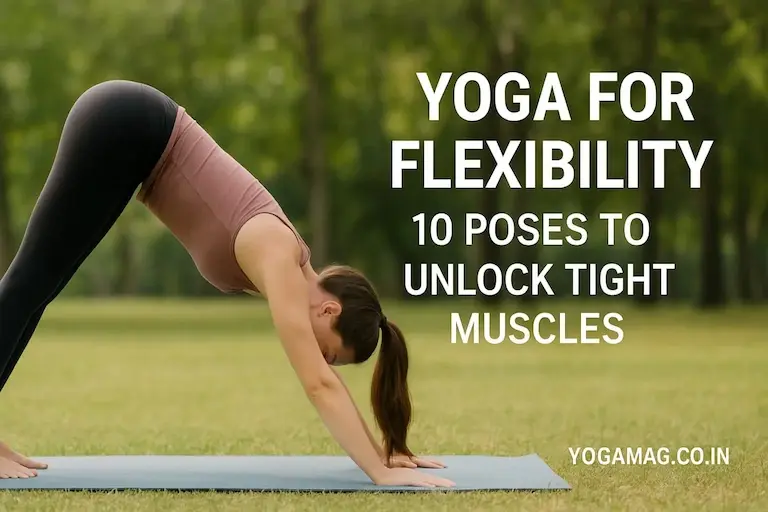
In today’s fast-paced lifestyle, tight muscles, stiff joints, and limited flexibility have become a common issue. Whether you sit for long hours at a desk, train hard in the gym, or simply feel your body aging, lack of flexibility can affect your health and daily comfort. The good news? Yoga for flexibility is one of the most effective, natural, and sustainable solutions to keep your body supple, mobile, and pain-free.
Yoga has been practiced for thousands of years, not just for physical health but also for mental balance and spiritual growth. When practiced consistently, yoga stretches and lengthens muscles, improves blood flow, and restores mobility. Beyond the physical, it also reduces stress—another major contributor to muscle stiffness.
In this guide, we’ll explore 10 powerful yoga poses for flexibility that can unlock tight muscles, improve posture, and help you lead a healthier lifestyle.
Why Flexibility Matters in Health & Lifestyle
Flexibility is not just about being able to touch your toes or do the splits. It’s about functional movement—your ability to move freely without pain or restriction.
- Better Posture: Flexible muscles support spinal alignment and reduce slouching.
- Injury Prevention: Tight muscles are more prone to tears and injuries.
- Stress Relief: Stretching reduces muscle tension caused by stress.
- Improved Circulation: Flexibility allows better blood and oxygen flow throughout the body.
- Enhanced Performance: Whether in sports or daily activities, flexibility boosts performance.
When combined with mindful breathing, yoga offers a holistic way to improve flexibility while supporting overall health.
10 Best Yoga Poses for Flexibility
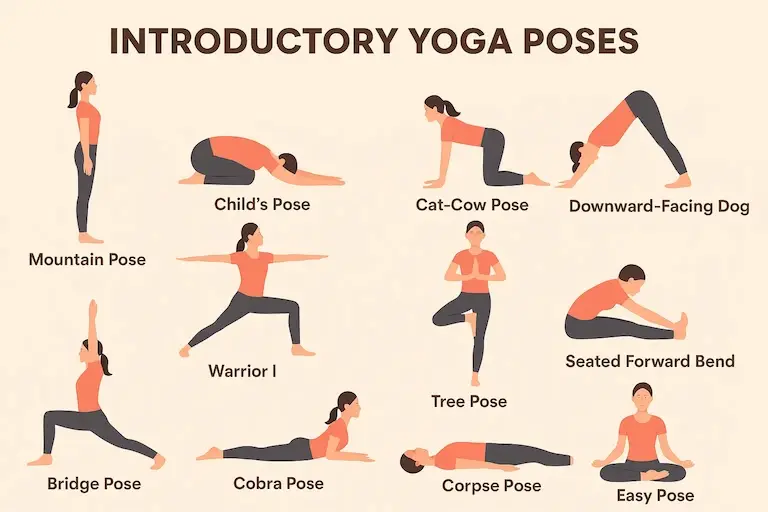
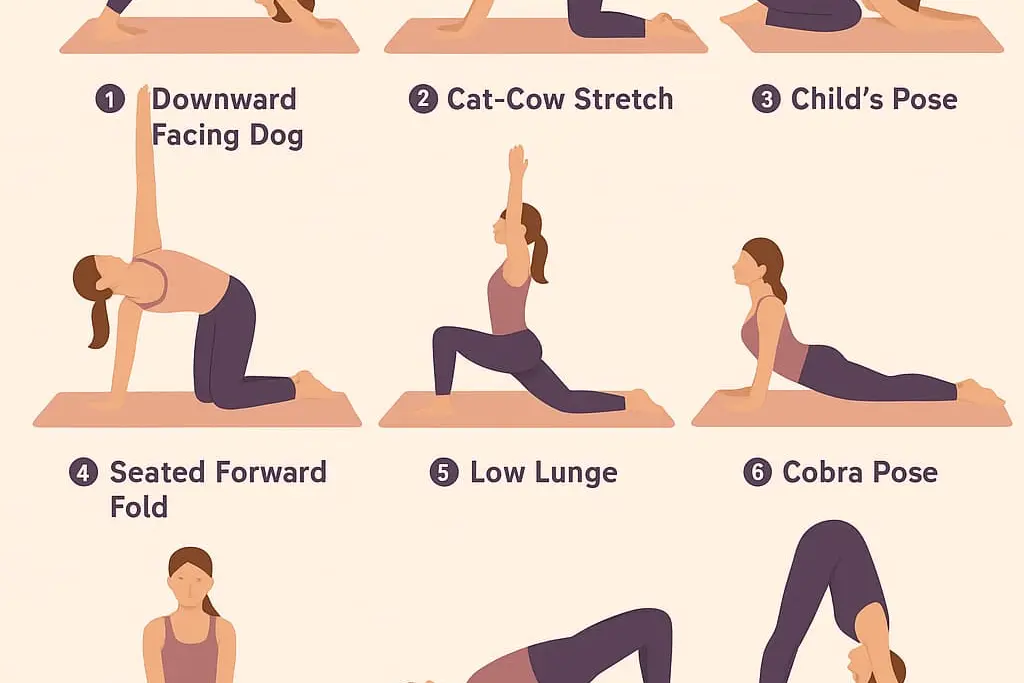
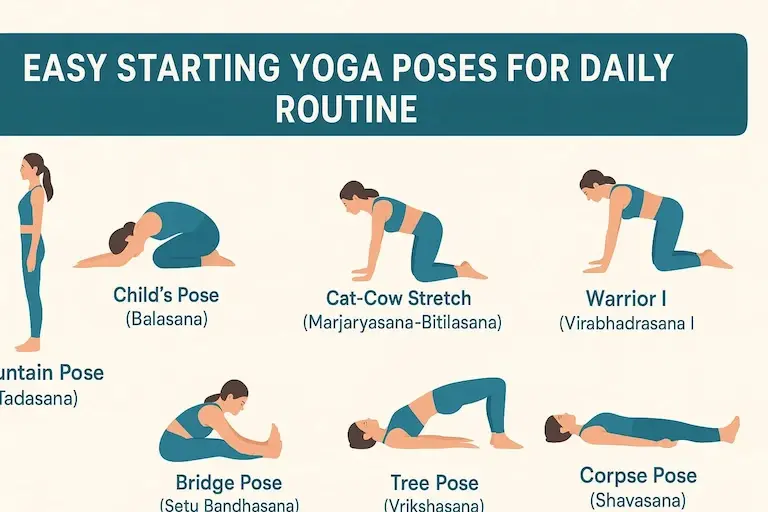
Below are ten yoga poses (asanas) that specifically target stiffness and tightness in the body. These poses are beginner-friendly, effective, and can be practiced at home with little to no equipment.
1. Downward-Facing Dog (Adho Mukha Svanasana)
Focus: Hamstrings, calves, shoulders, and spine.
This classic yoga pose is excellent for lengthening the back body. It releases tension from the hamstrings, calves, and spine while building strength in the arms and shoulders.
How to do it:
- Start on your hands and knees.
- Tuck your toes and lift your hips up and back.
- Straighten your legs as much as possible without locking the knees.
- Press your heels toward the ground and lengthen your spine.
- Hold for 5–10 breaths.
Benefits: Improves posture, stretches tight legs, and energizes the whole body.
2. Cat-Cow Pose (Marjaryasana-Bitilasana)
Focus: Spine flexibility, neck, and back muscles.
This gentle flow between Cat and Cow poses helps loosen stiffness in the spine and improves mobility.
How to do it:
- Start on hands and knees, wrists under shoulders, knees under hips.
- Inhale, arch your back (Cow), lifting your head and tailbone.
- Exhale, round your back (Cat), tucking chin and pelvis.
- Repeat 5–10 times.
Benefits: Relieves back stiffness, enhances spinal flexibility, and promotes relaxation.
3. Standing Forward Bend (Uttanasana)
Focus: Hamstrings, calves, and lower back.
This forward fold lengthens the hamstrings and spine, releasing tension built from prolonged sitting.
How to do it:
- Stand with feet hip-width apart.
- Bend forward at the hips, allowing your torso to drape over your legs.
- Keep knees slightly bent if needed.
- Hold elbows or place hands on the floor.
- Breathe deeply for 30 seconds.
Benefits: Stretches legs, calms the mind, and relieves stress.
4. Low Lunge (Anjaneyasana)
Focus: Hip flexors, quads, and groin.
Sitting for long hours often tightens the hip flexors. This pose stretches and opens the hips, improving lower body flexibility.
How to do it:
- Step one foot forward into a lunge position.
- Lower the back knee to the ground.
- Sink hips forward while keeping chest lifted.
- Hold for 5–8 breaths on each side.
Benefits: Releases hip tension, improves posture, and boosts lower body mobility.
5. Seated Forward Bend (Paschimottanasana)
Focus: Hamstrings, spine, and shoulders.
A deep stretch for the entire back body, this pose is perfect for improving overall flexibility.
How to do it:
- Sit with legs extended straight.
- Inhale, lengthen spine.
- Exhale, fold forward, reaching toward feet.
- Hold for 20–30 seconds.
Benefits: Increases hamstring flexibility, reduces anxiety, and improves digestion.
6. Cobra Pose (Bhujangasana)
Focus: Spine flexibility, chest, and shoulders.
Cobra strengthens the back while stretching the chest, shoulders, and abdomen. It’s great for counteracting slouching.
How to do it:
- Lie on your stomach with palms under shoulders.
- Press into your hands, lifting chest upward.
- Keep elbows slightly bent and shoulders relaxed.
- Hold for 15–30 seconds.
Benefits: Opens chest, strengthens spine, and improves posture.
7. Butterfly Pose (Baddha Konasana)
Focus: Inner thighs, hips, and groin.
A simple seated pose that deeply opens the hips and groin muscles.
How to do it:
- Sit with spine straight and soles of feet together.
- Hold feet with hands and bring heels closer to pelvis.
- Gently press knees toward the ground.
- Stay for 1–2 minutes.
Benefits: Relieves hip stiffness, improves circulation, and reduces lower back tension.
8. Triangle Pose (Trikonasana)
Focus: Hamstrings, hips, and spine.
A standing yoga posture that stretches multiple areas while building balance.
How to do it:
- Stand with feet wide apart.
- Extend arms to the sides and turn right foot outward.
- Reach right hand toward shin or floor, left arm upward.
- Hold for 20–30 seconds per side.
Benefits: Improves balance, strengthens legs, and increases side-body flexibility.
9. Pigeon Pose (Eka Pada Rajakapotasana)
Focus: Hips, thighs, and lower back.
One of the most effective hip-opening yoga poses for deep flexibility.
How to do it:
- Start in plank, bring right knee forward behind hands.
- Extend left leg straight behind you.
- Fold forward, resting arms and forehead on the ground.
- Hold for 1–2 minutes per side.
Benefits: Opens hips, releases lower back tension, and improves posture.
10. Child’s Pose (Balasana)
Focus: Lower back, hips, and relaxation.
A restorative pose that stretches the spine and promotes deep relaxation.
How to do it:
- Kneel on the floor, big toes together, knees apart.
- Fold torso forward, arms stretched out.
- Rest forehead on the mat.
- Stay for 1–2 minutes.
Benefits: Calms the nervous system, stretches hips and spine, and reduces fatigue.
Tips for Practicing Yoga for Flexibility
- Be consistent: Flexibility builds over time with regular practice.
- Warm up: Do light stretches or movement before deep poses.
- Breathe deeply: Inhale to lengthen, exhale to go deeper into the stretch.
- Don’t force it: Respect your body’s limits to avoid injury.
- Combine strength and stretch: A balance of both ensures lasting flexibility.
Yoga for Flexibility: Lifestyle Benefits
Practicing yoga regularly doesn’t just make you more flexible—it transforms your lifestyle.
- Stress Management: Reduces muscle tightness caused by mental stress.
- Better Sleep: Relaxed muscles improve sleep quality.
- Active Aging: Flexibility helps you stay mobile as you age.
- Enhanced Productivity: A flexible body means less fatigue and discomfort at work.
- Mind-Body Connection: Yoga builds awareness of your body and lifestyle choices.
Final Thoughts
Flexibility is the foundation of good health and mobility. With yoga, you can unlock tight muscles, improve posture, and live a pain-free, active life. The 10 yoga poses for flexibility outlined above are simple yet powerful tools to help you build a healthier lifestyle over time.
Start small—just 15 minutes a day—and notice how your body gradually opens up. Over weeks and months, your flexibility will improve, stress will reduce, and your lifestyle will feel lighter and healthier.
Remember: yoga is not about how far you stretch, but how consistently you show up for yourself.

Download the infographic.
Want a printable sequence?
Get one short practice each Sunday — no spam, cancel anytime.
Join the YogaMag newsletterFrequently Asked Questions
Popular posts
- 🧘♂️ 10 Best Free Meditation Apps to Reduce Stress and Anxi...
- 20 notable yogis and spiritual practitioners who lived more...
- Yoga Poses for Flexibility and Strength: Build a Balanced, S...
- Tantra Yoga for Beginners - A Complete Guide
- Beginner Yoga Poses with Pictures and Benefits: A Complete G...
- The Complete Guide to Tantra: Origins, Beliefs, and Modern P...
Related posts



No comments yet. Be the first to comment!