

The Complete Guide to Tantra: Origins, Beliefs, and Modern Practices
Introduction
Tantra is a profound and ancient spiritual tradition that has evolved over millennia, influencing countless cultures and belief systems. It is often misunderstood, but at its core, Tantra offers a pathway to personal transformation, spiritual awakening, and deep connection with oneself and others. This guide will explore the origins of Tantra, its beliefs, practices, and its relevance in modern times, aiming to provide clarity and practical guidance for those interested in exploring this sacred path. Whether you are a beginner or have some experience with spiritual practices, this guide will help you understand Tantra’s depth and relevance.
What is Tantra?
Tantra is a Sanskrit word derived from “tan,” meaning to expand, and “tra,” meaning instrument or tool. Therefore, Tantra can be translated as “the tool for expansion.” It is a holistic system that integrates spiritual, physical, mental, and emotional aspects of life. Tantra is not a religion but a way of approaching life with sacred awareness. It includes rituals, meditation, breathing techniques, and energy practices aimed at awakening dormant spiritual energies within the practitioner.
The Tantric path encourages embracing life in its entirety, including its pleasures, pain, and challenges, rather than rejecting or avoiding them. It teaches that enlightenment is not achieved by transcending the world but by transforming and integrating it into one’s spiritual journey.
Historical Origins of Tantra
The origins of Tantra are deeply rooted in ancient India and trace back to pre-Vedic times. Early Tantric practices were linked to the worship of nature, fertility, and the sacred feminine principle, known as Shakti. As spiritual philosophies evolved, Tantra was integrated into both Hinduism and Buddhism, influencing their ritualistic practices, meditation techniques, and philosophical outlooks.
Texts such as the Agamas and Tantras form the foundation of Tantric teachings. These scriptures detail esoteric rituals, mantras (sacred sounds), yantras (geometric diagrams), and methods of harnessing spiritual energy. Over time, Tantra spread to Tibet, Nepal, and Southeast Asia, influencing Vajrayana Buddhism and other mystical traditions.
The Tantric tradition was preserved by enlightened masters and passed down through oral teachings, secret manuscripts, and dedicated practitioners. Despite historical suppression by orthodox religious institutions, Tantra survived and continues to thrive, adapting to contemporary spiritual seekers.
Core Beliefs and Philosophy
The foundation of Tantra rests on a few key principles that shape the practitioner’s worldview and spiritual journey.
- Sacredness of the Body: Tantra sees the body not as an obstacle but as a sacred vessel for spiritual awakening. It encourages acceptance and reverence for the physical form as an instrument of consciousness. Rather than rejecting bodily desires, Tantra teaches mindful engagement with them.
- Union of Opposites: Central to Tantric thought is the idea that dualities such as pleasure and pain, masculine and feminine, light and dark, are interconnected. The goal is to harmonize these energies rather than oppose or suppress them.
- Energy Awakening (Kundalini): Tantra believes in a dormant spiritual energy known as Kundalini, coiled at the base of the spine. Through meditation, breathwork, and specific rituals, practitioners aim to awaken this energy and allow it to rise through energy centers (chakras), leading to spiritual enlightenment.
- Mantras and Sound Healing: Mantras are sacred syllables that carry vibrational energy. Chanting these sounds aligns the practitioner with cosmic forces, facilitating healing, transformation, and deep focus.
- Compassion and Service: Tantric teachings emphasize the importance of serving others and cultivating compassion as part of spiritual growth. The path encourages living with integrity, love, and responsibility toward the world.
Tantric Practices and Rituals
Tantric rituals are diverse, blending symbolism, visualization, and energetic alignment. Some of the most common practices include:
- Breathwork (Pranayama): Controlled breathing techniques help regulate energy flow and enhance mental clarity. Practices like Nadi Shodhana (alternate nostril breathing) balance left and right hemispheric energies and bring calmness.
- Meditation and Visualization: Guided meditation sessions help focus awareness on specific energy centers or visualize divine forms. Visualization enhances concentration and assists in manifesting spiritual intentions.
- Mantra Chanting: Repetition of sacred sounds creates vibrational resonance within the body. Mantras are often paired with specific intentions or rituals to promote healing, peace, or spiritual awakening.
- Ritual Offerings: Practitioners engage in symbolic rituals such as lighting lamps, offering flowers, or performing purification ceremonies. These rituals create a sacred atmosphere and support spiritual alignment.
- Sacred Sexuality: Tantric practices incorporate sexuality as a path for spiritual growth, viewing pleasure as a tool for meditation and energy flow. Sacred sexuality involves conscious connection, breath coordination, and energy exchange between partners.
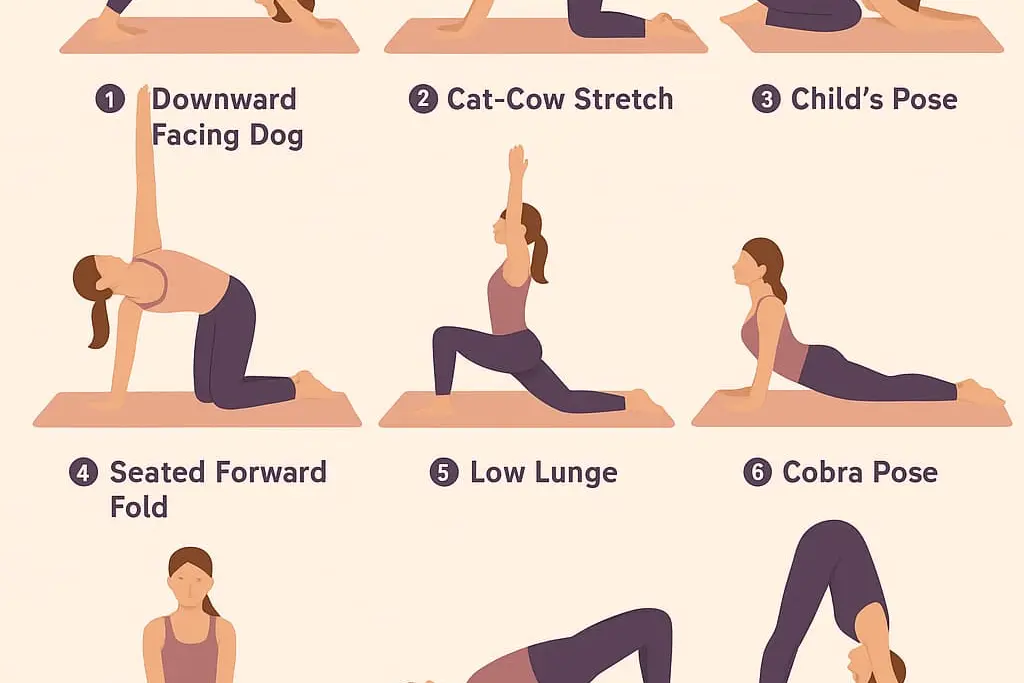
- Body Movement and Postures: Mindful movement practices similar to yoga help awaken energy and maintain physical health. Postures are used to release tension, align chakras, and balance energy pathways.
Modern Applications of Tantra
In today’s world, Tantra has expanded beyond temples and monastic settings. Many people turn to Tantra for holistic wellness, self-care, and spiritual alignment. Some of the most prominent modern applications include:
- Tantra for Stress Relief: Mindfulness, breathwork, and meditation techniques offer practical tools for managing anxiety and improving emotional resilience. Regular practice helps reduce cortisol levels and promotes relaxation.
- Relationship Healing: Couples use Tantra to deepen intimacy, build trust, and enhance communication. Exercises such as eye-gazing and synchronized breathing foster emotional connection and empathy.
- Mind-Body Integration: Modern wellness programs incorporate Tantric principles to help individuals reconnect with their bodies. Practices such as mindful eating, somatic awareness, and gentle movement are becoming mainstream.
- Spiritual Awakening: People seeking a deeper connection with the universe use Tantra to explore energy fields, spiritual dimensions, and meditative states beyond ordinary consciousness.
- Therapeutic Use: Some therapists integrate Tantric breathwork and mindfulness practices to assist clients in trauma healing, emotional regulation, and body-centered therapy.
Benefits of Tantra
The practice of Tantra offers numerous benefits that extend to the mind, body, and spirit. Some of the key advantages include:
- Enhanced Emotional Well-being: Tantric practices help regulate emotions, reduce stress, and cultivate inner peace. Through meditation and breathwork, practitioners develop resilience in facing life’s challenges.
- Improved Physical Health: Breathwork and mindful movement enhance circulation, flexibility, and overall vitality. Energy alignment techniques can reduce chronic pain and boost immunity.
- Deeper Self-Awareness: Through meditation and reflection, practitioners gain insights into their patterns, behaviors, and emotional triggers. This awareness promotes self-compassion and personal growth.
- Increased Spiritual Connection: Tantra aligns practitioners with higher states of consciousness, fostering a sense of unity with nature, others, and the divine.
- Harmonious Relationships: Tantric exercises improve communication, empathy, and emotional intimacy between partners, fostering more compassionate and loving relationships.
Misconceptions and Controversies
Despite its profound teachings, Tantra is often clouded by misconceptions and sensationalism. Some common misunderstandings include:
- Tantra is Only About Sex: While sacred sexuality is one aspect, Tantra encompasses a much wider spiritual and holistic framework. Reducing Tantra to sexual practices ignores its depth and purpose.
- It’s a Cult or Secretive Practice: Tantra’s secrecy stems from its depth and complexity, not from exclusion. Authentic teachings are rooted in trust, discipline, and spiritual responsibility.
- It Promises Instant Enlightenment: Some practitioners falsely advertise Tantra as a quick solution for instant transformation. In reality, Tantra is a lifelong journey requiring patience, dedication, and sincere effort.
- It’s Incompatible with Science: Many Tantric techniques, such as breathwork and meditation, are now supported by scientific research, showing benefits in stress reduction, mental clarity, and emotional regulation.
How to Start Practicing Tantra
Embarking on a Tantric journey requires openness, patience, and self-compassion. Here are some steps to begin:
- Educate Yourself: Read foundational texts and explore reputable teachers or workshops that align with authentic Tantric teachings. Avoid sensational or commercially driven interpretations.
- Create a Sacred Space: Designate a quiet area where you can meditate, practice breathwork, and perform rituals without distractions. This helps create consistency and sacred focus.
- Start with Breathwork: Practicing simple breathing exercises daily can ground your awareness and prepare you for deeper practices. Begin with a few minutes each day and gradually increase the duration.
- Embrace Self-Acceptance: Tantric practice invites you to explore without judgment. Allow yourself to experience emotions and sensations with curiosity rather than resistance.
- Practice with Patience: Transformation is gradual. Regular practice, even if brief, builds momentum and deepens your connection with the spiritual path.
Conclusion
Tantra is a profound spiritual path that invites us to live with awareness, embrace our wholeness, and align with the energies that shape our existence. Far from being a taboo or sensationalized practice, Tantra offers timeless wisdom that integrates body, mind, and spirit into a harmonious way of living. Whether you are seeking stress relief, deeper relationships, or spiritual awakening, Tantra’s practices can support your journey with compassion and empowerment. By approaching the path with sincerity and openness, you can uncover the transformative power that Tantra holds within, enriching every aspect of your life.

Download the infogrpahic.
Want new practices by email?
We email now and then when we publish a new routine, practice or guide. No spam, unsubscribe any time.
Join the YogaMag newsletterFrequently Asked Questions
Popular posts
Related posts





No comments yet. Be the first to comment!