

Increase Flexibility with These 5 Yoga Poses: A Quick Routine for All Levels
Want to boost flexibility without spending hours stretching? This guide covers five simple yet effective yoga poses—Downward Dog, Standing Forward Bend, Low Lunge, Seated Forward Bend, and Reclining Pigeon—that target key muscle groups like hips, hamstrings, and spine. Ideal for beginners and busy individuals, these poses form a quick, daily yoga routine that improves mobility, reduces stiffness, and enhances overall well-being. With consistent practice, you'll notice better posture, less tension, and increased range of motion. Start your flexibility journey with this easy, time-efficient yoga sequence.


In our sedentary, screen-dominated lifestyles, flexibility often takes a backseat. Tight hips, stiff hamstrings, and back pain have become common complaints—especially for those who sit for long hours. But the good news? You don’t need to spend hours at the gym or commit to a rigorous program to feel more limber. Just a few minutes a day with the right yoga poses for flexibility can lead to significant improvement.
This article introduces five simple yet highly effective yoga poses to increase flexibility. Perfect for beginners and experienced yogis alike, these poses target key areas of the body, promoting better mobility, reduced tension, and enhanced overall wellness.
Whether you're looking to build a quick flexibility routine, reduce stiffness, or complement your fitness goals, this guide is your go-to resource.
Why Flexibility Matters
Before we dive into the poses, let’s talk about why flexibility is more than just being able to touch your toes.
Benefits of Flexibility:
- Improved posture and alignment
- Reduced risk of injury
- Enhanced physical performance
- Less muscle tension and pain
- Better blood circulation
- Increased range of motion
- Stress relief and mental relaxation
Incorporating a short daily flexibility yoga routine can significantly improve your physical and mental well-being over time.
Best Yoga Poses to Increase Flexibility
Let’s explore the top 5 yoga poses that can boost flexibility quickly and effectively. Each pose is explained in detail with benefits, instructions, and modifications.
1. Downward-Facing Dog (Adho Mukha Svanasana)
Target areas: Hamstrings, calves, shoulders, spine
One of the most iconic yoga poses, Downward Dog stretches the entire back body and strengthens the arms and legs. It’s ideal for increasing flexibility in the hamstrings and spine.
How to do it:
- Start on all fours with wrists under shoulders and knees under hips.
- Tuck your toes and lift your hips toward the ceiling, straightening your legs as much as possible.
- Press your heels toward the mat and spread your fingers wide.
- Keep your head between your arms, gaze toward your feet.
Hold for: 5–10 breaths

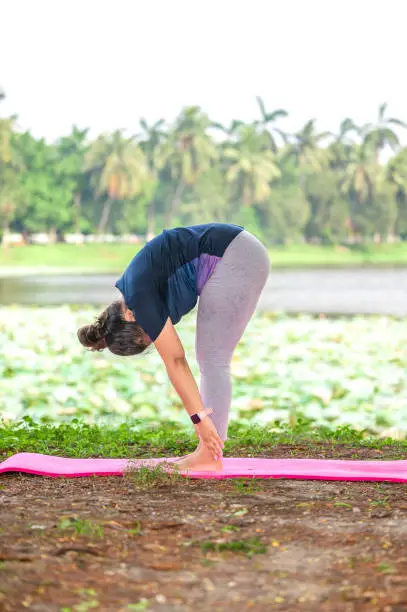
2. Standing Forward Bend (Uttanasana)
Target areas: Hamstrings, calves, lower back
Standing Forward Fold is a gentle yet deep stretch for the legs and back. It helps relieve tightness from long hours of sitting or standing.
How to do it:
- Stand tall with feet hip-width apart.
- Inhale, lift your arms overhead.
- Exhale and fold forward from your hips, letting your torso hang.
- Bend your knees slightly if needed to avoid straining your back.
- Hold your elbows or let your hands touch the mat.
Hold for: 5–8 breaths
3. Low Lunge (Anjaneyasana)
Target areas: Hip flexors, quads, groin
Low Lunge opens up the hips—an area that gets extremely tight from prolonged sitting. It’s one of the best yoga poses to increase hip flexibility and balance the pelvis.
How to do it:
- Start in a high plank or Downward Dog.
- Step your right foot forward between your hands.
- Lower your left knee to the ground.
- Inhale and raise your arms overhead, lifting your chest.
- Keep your right knee stacked over your ankle and gently press your hips forward.
Hold for: 30 seconds on each side

4. Seated Forward Bend (Paschimottanasana)
Target areas: Hamstrings, spine, calves
This calming pose deeply stretches the entire back of the body while encouraging mindfulness and breath awareness. It’s perfect for winding down after a long day.
How to do it:
- Sit with your legs extended straight in front of you.
- Flex your feet and keep your spine long.
- Inhale, lift your arms overhead.
- Exhale and fold forward from your hips, reaching for your feet, ankles, or shins.
- Keep the back flat and avoid rounding too much.
Hold for: 1–2 minutes

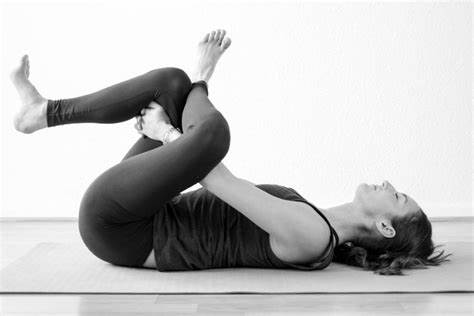
5. Reclining Pigeon Pose (Supta Kapotasana)
Target areas: Hips, glutes, lower back
Also known as Figure Four Stretch, this pose is a gentler version of the traditional Pigeon Pose, making it more accessible for beginners while still delivering a deep hip release.
How to do it:
- Lie on your back with knees bent and feet flat on the floor.
- Cross your right ankle over your left thigh, forming a figure four.
- Reach your hands behind your left thigh and gently pull it toward your chest.
- Keep both feet flexed and relax your shoulders.
Hold for: 1 minute on each side
Quick Flexibility Routine: 10–15 Minutes a Day
Here’s a simple sequence combining the above poses for a quick daily flexibility yoga routine:
- Downward Dog – 1 minute
- Standing Forward Bend – 1 minute
- Low Lunge (Right) – 1 minute
- Low Lunge (Left) – 1 minute
- Seated Forward Bend – 2 minutes
- Reclining Pigeon (Right) – 1 minute
- Reclining Pigeon (Left) – 1 minute
- Savasana (Optional) – 2–3 minutes
This short practice can be done in the morning to wake up the body or in the evening to release tension from the day.
Tips for Improving Flexibility with Yoga
Getting flexible doesn’t happen overnight. It’s a journey of consistent, mindful practice. Here are some expert tips to help you progress safely:
1. Warm Up First
Start with gentle movements or light cardio to increase blood flow to your muscles before diving into deeper stretches.
2. Breathe Deeply
Your breath is your best tool. Use deep, controlled breathing to relax into each stretch and signal your nervous system to release tension.
3. Don’t Force It
Flexibility improves gradually. Forcing a pose can lead to injury. Listen to your body and honor your current range of motion.
4. Be Consistent
Even 10 minutes a day can lead to improvement over time. Aim to practice yoga for flexibility at least 3–4 times per week.
5. Modify as Needed
Use yoga blocks, straps, or bend your knees in certain poses to make them accessible. Flexibility will come with time and patience.
Final Thoughts
Improving your flexibility doesn’t require hours of stretching or complicated routines. With just a few targeted yoga poses, practiced consistently, you can increase flexibility, reduce tension, and feel more at ease in your body.
Whether you're a complete beginner or someone returning to the mat, these five poses offer a powerful foundation for better mobility and balance. Start today, stay consistent, and in just a few weeks, you’ll feel a noticeable difference in your posture, movement, and mindset.
Ready to Stretch?
Subscribe to our newsletter for weekly yoga tips, free video tutorials, and downloadable flexibility routines. Start your journey to a more open, flexible body—one pose at a time!
Frequently Asked Questions
Popular posts
- 🧘♂️ 10 Best Free Meditation Apps to Reduce Stress and Anxi...
- 20 notable yogis and spiritual practitioners who lived more...
- Yoga Poses for Flexibility and Strength: Build a Balanced, S...
- Tantra Yoga for Beginners - A Complete Guide
- Beginner Yoga Poses with Pictures and Benefits: A Complete G...
- Easy Starting Yoga Poses for Daily Routine: Beginner-Friendl...
Related posts


0 Comments
Subscribe to our mailing list!

No comments yet. Be the first to comment!