

Foundational Yoga: Top 50 Yoga Poses Everyone Should Know

What is Foundational Yoga?
Foundational Yoga refers to the basic practices and postures that form the building blocks of all yoga styles. It focuses on proper alignment, controlled breathing (pranayama), and mindfulness. By mastering foundational yoga poses, practitioners can prevent injuries, enhance body awareness, and experience deep relaxation.
Key Benefits of Foundational Yoga:
- Improves flexibility and strength
- Enhances posture and body alignment
- Reduces stress and anxiety
- Boosts energy and mental clarity
- Supports overall health and longevity
Whether your goal is weight loss, stress relief, or spiritual growth, foundational yoga provides the tools necessary to achieve a balanced lifestyle.
Top 50 Yoga Poses Everyone Should Know
To create a strong yoga practice, you should become familiar with these essential poses. They are divided into categories for easy learning.
1. Mountain Pose (Tadasana)
Type: Standing Pose
Benefits: Improves posture, strengthens thighs, knees, and ankles.
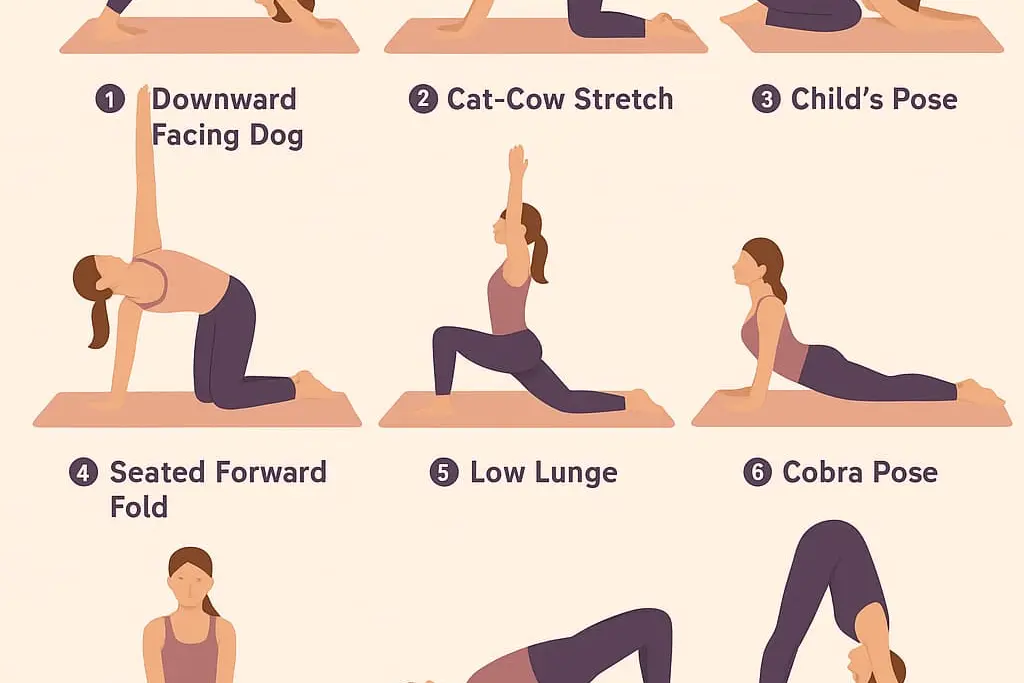
2. Downward-Facing Dog (Adho Mukha Svanasana)
Type: Inversion Pose
Benefits: Stretches hamstrings, calves, and spine; relieves tension.
3. Warrior I (Virabhadrasana I)
Type: Standing Pose
Benefits: Strengthens legs, arms, and back; improves focus and balance.
4. Warrior II (Virabhadrasana II)
Type: Standing Pose
Benefits: Builds stamina, stretches hips and shoulders.
5. Warrior III (Virabhadrasana III)
Type: Balance Pose
Benefits: Improves balance and core strength.
6. Triangle Pose (Trikonasana)
Type: Standing Pose
Benefits: Stretches legs and torso, stimulates digestion.
7. Extended Side Angle Pose (Utthita Parsvakonasana)
Type: Standing Pose
Benefits: Strengthens legs, stretches groins, spine, and shoulders.
8. Chair Pose (Utkatasana)
Type: Standing Pose
Benefits: Strengthens thighs and calves, improves posture.
9. Tree Pose (Vrikshasana)
Type: Balance Pose
Benefits: Enhances focus, balance, and mental clarity.
10. Half Moon Pose (Ardha Chandrasana)
Type: Balance Pose
Benefits: Strengthens ankles and thighs, stretches hamstrings and spine.
11. Bridge Pose (Setu Bandhasana)
Type: Backbend Pose
Benefits: Opens chest, strengthens back, glutes, and legs.
12. Cobra Pose (Bhujangasana)
Type: Backbend Pose
Benefits: Improves spinal flexibility, opens the chest.
13. Bow Pose (Dhanurasana)
Type: Backbend Pose
Benefits: Strengthens back, stretches chest and thighs.
14. Camel Pose (Ustrasana)
Type: Backbend Pose
Benefits: Stretches the front body, improves posture.
15. Upward-Facing Dog (Urdhva Mukha Svanasana)
Type: Backbend Pose
Benefits: Opens chest and shoulders, strengthens arms and spine.
16. Cat-Cow Pose (Marjaryasana-Bitilasana)
Type: Spinal Flexibility Pose
Benefits: Increases spinal flexibility, relieves back tension.
17. Seated Forward Bend (Paschimottanasana)
Type: Forward Bend
Benefits: Stretches spine and hamstrings, calms the mind.
18. Head-to-Knee Forward Bend (Janu Sirsasana)
Type: Forward Bend
Benefits: Stretches hamstrings, relieves anxiety and fatigue.
19. Wide-Legged Forward Bend (Prasarita Padottanasana)
Type: Forward Bend
Benefits: Stretches legs and spine, improves circulation.
20. Boat Pose (Navasana)
Type: Core Pose
Benefits: Strengthens abdominal muscles and spine.
21. Plank Pose (Phalakasana)
Type: Core Pose
Benefits: Builds core strength, tones arms and wrists.
22. Side Plank Pose (Vasisthasana)
Type: Core & Balance Pose
Benefits: Strengthens arms, core, and improves balance.
23. Reclining Bound Angle Pose (Supta Baddha Konasana)
Type: Relaxation Pose
Benefits: Opens hips, relaxes the body and mind.
24. Garland Pose (Malasana)
Type: Hip Opening Pose
Benefits: Opens hips and groin, improves digestion.
25. Pigeon Pose (Eka Pada Rajakapotasana)
Type: Hip Opening Pose
Benefits: Stretches thighs, groin, and psoas muscles.
26. Fire Log Pose (Agnistambhasana)
Type: Hip Opening Pose
Benefits: Stretches hips and glutes, releases tension.
27. Fish Pose (Matsyasana)
Type: Backbend Pose
Benefits: Opens chest and throat, strengthens upper back.
28. Shoulder Stand (Sarvangasana)
Type: Inversion Pose
Benefits: Improves circulation, strengthens shoulders and arms.
29. Plow Pose (Halasana)
Type: Inversion Pose
Benefits: Stretches spine, shoulders, and hamstrings.
30. Headstand (Sirsasana)
Type: Inversion Pose
Benefits: Enhances focus, strengthens shoulders, arms, and core.
31. Handstand (Adho Mukha Vrksasana)
Type: Advanced Inversion
Benefits: Improves balance, strengthens arms and core.
32. Crow Pose (Bakasana)
Type: Arm Balance Pose
Benefits: Builds arm strength and concentration.
33. Side Crow Pose (Parsva Bakasana)
Type: Arm Balance Pose
Benefits: Strengthens arms, core, and improves balance.
34. Forearm Stand (Pincha Mayurasana)
Type: Inversion Pose
Benefits: Strengthens shoulders, arms, and core.
35. Dolphin Pose (Ardha Pincha Mayurasana)
Type: Strengthening Pose
Benefits: Strengthens arms and shoulders, stretches hamstrings.
36. Wide-Legged Forward Fold with Shoulder Stretch
Type: Stretch Pose
Benefits: Opens shoulders, spine, and legs.
37. Extended Puppy Pose (Uttana Shishosana)
Type: Stretch Pose
Benefits: Stretches spine, shoulders, and arms.
38. Reclining Twist (Supta Matsyendrasana)
Type: Twist Pose
Benefits: Stretches spine and back muscles, relieves tension.
39. Revolved Triangle Pose (Parivrtta Trikonasana)
Type: Twist Pose
Benefits: Improves digestion, stretches hamstrings and spine.
40. Revolved Side Angle Pose (Parivrtta Parsvakonasana)
Type: Twist Pose
Benefits: Strengthens legs and core, stretches spine.
41. Happy Baby Pose (Ananda Balasana)
Type: Hip Opening Pose
Benefits: Opens hips, relaxes the lower back.
42. Reclining Hand-to-Big-Toe Pose (Supta Padangusthasana)
Type: Stretch Pose
Benefits: Stretches hamstrings, calves, and lower back.
43. Shoulder Opener Pose
Type: Stretch Pose
Benefits: Improves flexibility and posture, releases tension.
44. Cow Face Pose (Gomukhasana)
Type: Stretch Pose
Benefits: Opens shoulders and hips, relieves tension.
45. Extended Side Stretch (Parsva Tadasana)
Type: Stretch Pose
Benefits: Stretches sides of the body, improves posture.
46. Standing Forward Bend (Uttanasana)
Type: Forward Bend
Benefits: Stretches hamstrings and spine, relieves stress.
47. Revolved Head-to-Knee Pose (Parivrtta Janu Sirsasana)
Type: Twist Pose
Benefits: Stretches spine and legs, improves digestion.
48. Wide-Angle Seated Forward Bend (Upavistha Konasana)
Type: Forward Bend
Benefits: Opens hips, stretches hamstrings and spine.
49. Bound Angle Pose (Baddha Konasana)
Type: Hip Opening Pose
Benefits: Opens hips, strengthens spine, improves flexibility.
50. Savasana (Corpse Pose)
Type: Relaxation Pose
Benefits: Promotes deep relaxation, reduces stress, rejuvenates the body.
Tips for Practicing Foundational Yoga
- Start Slowly: Focus on mastering alignment before increasing intensity.
- Breathe Deeply: Proper breathing enhances every yoga pose.
- Use Props: Blocks, straps, and bolsters can help beginners.
- Practice Regularly: Consistency is key to building strength and flexibility.
- Listen to Your Body: Avoid pushing yourself into discomfort or pain.
Conclusion
Foundational yoga forms the bedrock of a healthy yoga practice. By incorporating these top 50 yoga poses into your routine, you will build strength, flexibility, and mental clarity. Whether you are a beginner or experienced yogi, these poses offer something for everyone and lay the foundation for more advanced practices.
Start your yoga journey today and experience the holistic benefits that have made yoga a timeless practice for millions worldwide.
Want new practices by email?
We email now and then when we publish a new routine, practice or guide. No spam, unsubscribe any time.
Join the YogaMag newsletterFrequently Asked Questions
Popular posts
Related posts




No comments yet. Be the first to comment!