

10 Simple Tips for Mindful Meditation at Home for Beginners
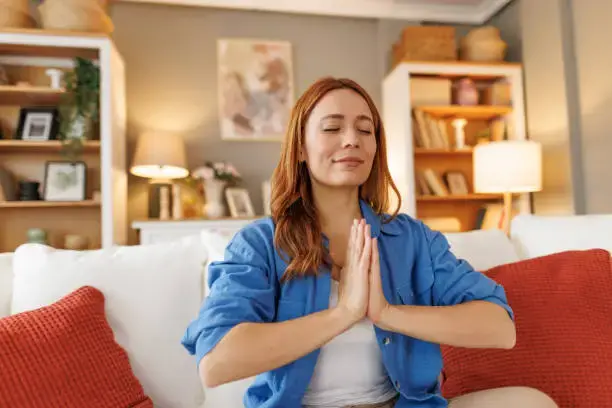
In today’s fast-paced world, finding calm can feel impossible. Fortunately, mindful meditation at home offers a powerful way to reduce stress, improve focus, and reconnect with your inner self. If you’re new to meditation, don’t worry—starting your practice is easier than you think. This guide shares 10 simple, actionable tips designed especially for beginners looking to build a consistent meditation routine at home.
Whether you’re seeking mental clarity, better sleep, or just a few moments of stillness, these mindful meditation tips for beginners will help you create a nurturing and peaceful space right where you are.
1. Create a Dedicated Meditation Space
Designate a quiet corner in your home that feels calm and free of clutter. It doesn’t have to be an entire room—just a spot that’s peaceful and yours. Use soft lighting, add a floor cushion or yoga mat, and consider elements that invite serenity: candles, incense, a small plant, or calming crystals.
👉 Bonus Tip: Try facing a window to bring in natural light or create a mini altar with items that inspire mindfulness.
2. Set a Consistent Time
Consistency builds momentum. Try to meditate at the same time each day, whether it’s right after waking up, during a lunch break, or before bedtime. This regularity conditions your mind to enter a state of calm and awareness more quickly over time.
👉 Morning meditation is great for clarity and intention, while evening meditation helps you wind down and reflect.
3. Start with Just 5 Minutes
Don’t worry about sitting for long periods right away. Begin with a manageable 5-minute daily session. As your comfort grows, you can extend to 10 or 15 minutes. The goal is not the duration but the consistency and presence you bring.
👉 Set a gentle timer and sit in a comfortable posture to avoid distractions or discomfort.
4. Focus on Your Breath
Your breath is your anchor. Simply noticing your inhale and exhale helps ground you in the present moment. If your mind drifts (and it will!), gently return your attention to the breath.
👉 Try counting your breaths or silently repeating a phrase like “in” and “out” as you breathe.
5. Use Guided Meditation Apps
Apps like Headspace, Calm, Insight Timer, and Smiling Mind offer helpful guidance, especially if you’re unsure where to begin. These tools offer various themes like stress relief, focus, sleep, and gratitude.
👉 Choose beginner-level sessions or explore body scan, loving-kindness, or mantra meditations.
6. Try Simple Yoga Poses First
Before sitting in stillness, doing a few gentle yoga stretches can help loosen tight muscles and quiet mental chatter. Even five minutes of movement can prepare the body for meditation.
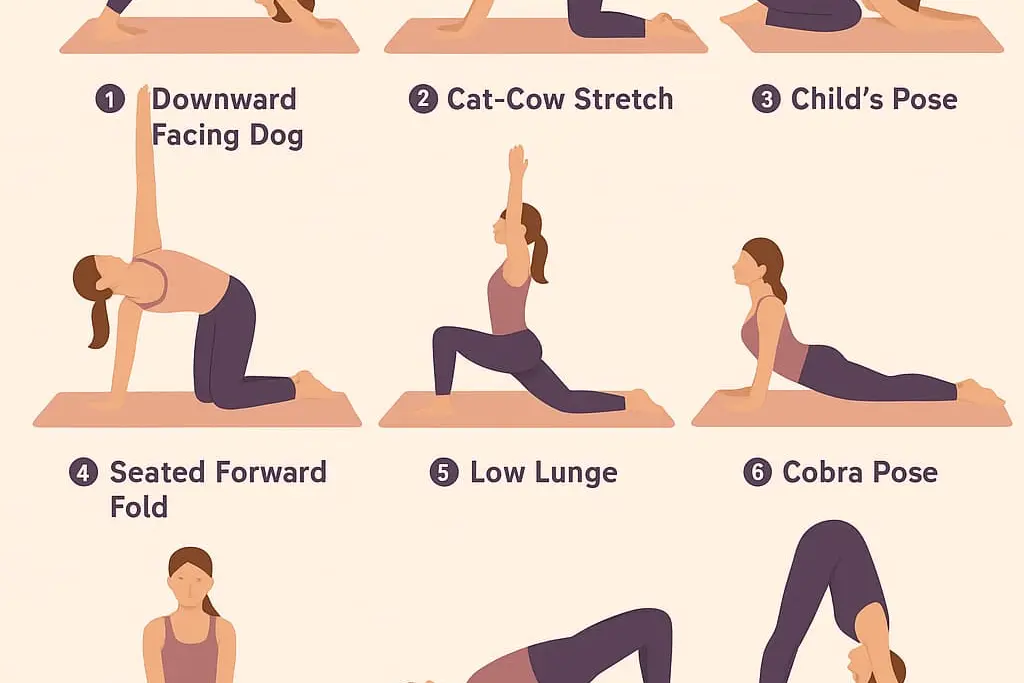
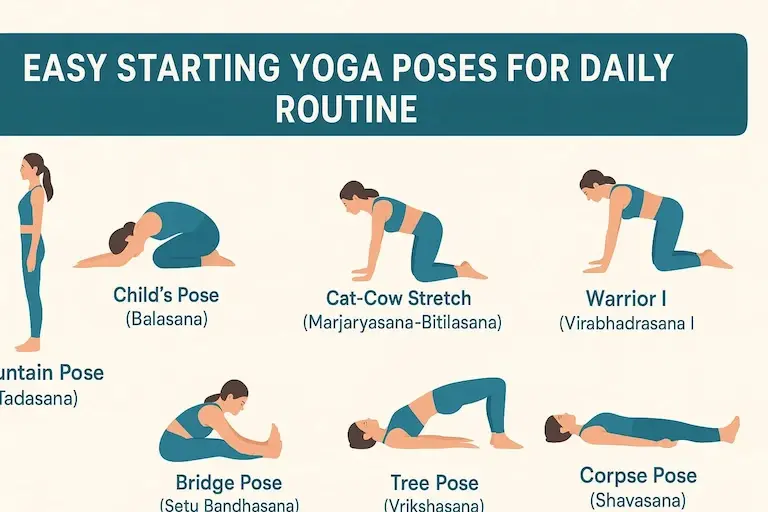
👉 Poses like Child’s Pose (Balasana), Cat-Cow, Seated Forward Fold, and Legs-Up-the-Wall are ideal for calming the nervous system.
7. Practice Mindful Listening
Sound can be a powerful tool in meditation. Use soft instrumental music, nature sounds (like ocean waves or rain), or try sitting in silence. Allow sounds to come and go without judgment—this teaches deep presence.
👉 Try a sound bath or explore singing bowl frequencies for added depth.
8. Let Thoughts Come and Go
One of the most common beginner concerns is: “I can’t stop thinking!”—and that’s okay. Meditation isn't about blocking thoughts but observing them without attachment.
👉 Picture your thoughts as clouds floating by. Let them pass without trying to engage or push them away.
9. Keep a Meditation Journal
Reflecting on your meditation experience can deepen self-awareness. After each session, take a few minutes to write about what you noticed—your thoughts, feelings, challenges, and insights.
👉 This habit helps track your growth and identify patterns in your emotional or mental state.
10. Be Patient and Kind to Yourself
Mindfulness is a lifelong journey, not a quick fix. Some days will feel easier than others. Be gentle with yourself, especially when motivation dips or distractions arise.
👉 Celebrate the simple fact that you showed up. That alone is a victory.
Final Thoughts
Meditation isn’t about doing it “right”—it’s about showing up with an open heart and curious mind. With these 10 beginner-friendly tips, you can create a grounded, mindful meditation practice at home that fits your life and supports your wellbeing.
Over time, even a few minutes a day can lead to more peace, better focus, and a stronger connection to yourself.
Want a printable sequence?
Get one short practice each Sunday — no spam, cancel anytime.
Join the YogaMag newsletterFrequently Asked Questions
Popular posts
- 🧘♂️ 10 Best Free Meditation Apps to Reduce Stress and Anxi...
- 20 notable yogis and spiritual practitioners who lived more...
- Yoga Poses for Flexibility and Strength: Build a Balanced, S...
- Tantra Yoga for Beginners - A Complete Guide
- Beginner Yoga Poses with Pictures and Benefits: A Complete G...
- Easy Starting Yoga Poses for Daily Routine: Beginner-Friendl...
Related posts



No comments yet. Be the first to comment!