

Yoga Poses for Flexibility: 7 Essential Stretches
Looking to boost your flexibility? Yoga offers powerful, low-impact stretches that can improve mobility, reduce tension, and support better posture. This guide highlights 7 essential yoga poses for flexibility, including Downward Dog, Forward Fold, and Low Lunge—each designed to target tight muscles and increase range of motion. Perfect for beginners, these poses are easy to follow and effective when practiced regularly. Backed by expert recommendations like Healthline, incorporating these stretches into your weekly routine can lead to lasting physical benefits. Start your flexibility journey today with these foundational yoga poses.

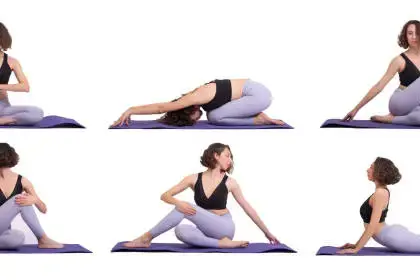
If you’re looking to improve your flexibility, yoga offers one of the most effective and accessible ways to do it. Whether you’re a beginner or a seasoned yogi, incorporating key yoga poses for flexibility into your regular practice can help loosen tight muscles, increase range of motion, and support overall physical wellness.
Why Flexibility Matters
Improved flexibility can:
- Reduce your risk of injury
- Alleviate muscle tension
- Improve posture and alignment
- Support better performance in sports and daily activities
Whether you’re sitting at a desk all day or training for a marathon, adding these best yoga poses for flexibility to your routine can lead to significant physical and mental benefits.
1. Downward-Facing Dog (Adho Mukha Svanasana)
Benefits: Stretches hamstrings, calves, and spine
How-to:
- Start on your hands and knees.
- Lift your hips toward the ceiling, straightening your legs as much as comfortable.
- Keep your heels reaching toward the ground and your head relaxed between your arms.
✅ Best for: full-body flexibility and posture improvement
2. Cat-Cow Stretch (Marjaryasana-Bitilasana)
Benefits: Increases spine flexibility and improves mobility
How-to:
- Begin in tabletop position.
- Inhale: arch your back (Cow Pose), lift your tailbone and head.
- Exhale: round your spine (Cat Pose), drawing your chin to your chest.
✅ Perfect for: beginner yoga stretches and spinal health
3. Standing Forward Fold (Uttanasana)
Benefits: Stretches the hamstrings, calves, and back
How-to:
- Stand with feet hip-width apart.
- Hinge at your hips to fold forward, letting your head and arms hang.
- Bend your knees slightly if needed.
✅ Effective for: relieving lower back tension and increasing hamstring flexibility
4. Seated Forward Bend (Paschimottanasana)
Benefits: Deep hamstring, spine, and shoulder stretch
How-to:
- Sit with legs extended.
- Inhale to lengthen your spine, then exhale to fold forward.
- Reach for your feet, ankles, or shins, maintaining a flat back.
✅ Ideal for: yoga for tight hamstrings and stress relief
5. Low Lunge (Anjaneyasana)
Benefits: Opens hips, stretches thighs and groin
How-to:
- Step one foot forward into a lunge, with your back knee on the ground.
- Sink your hips forward and reach arms overhead for a deeper stretch.
✅ Recommended for: hip flexibility and improving posture
6. Reclining Pigeon Pose (Supta Kapotasana)
Benefits: Releases deep hip tension
How-to:
- Lie on your back and cross one ankle over the opposite thigh.
- Gently pull your supporting leg toward your chest to increase the stretch.
✅ Top pick for: yoga for tight hips and lower back relief
7. Child’s Pose (Balasana)
Benefits: Gently stretches the back, hips, and thighs
How-to:
- Kneel on the mat, sit back on your heels, and stretch your arms forward.
- Rest your forehead on the ground and breathe deeply.
✅ Best used for: relaxation and gentle stretching at the end of a yoga session
Tips for Practicing Yoga for Flexibility
- Warm up first: Gentle movements before deep stretches help prevent injury.
- Breathe deeply: Deep, mindful breathing enhances stretch and relaxation.
- Stay consistent: Aim for at least 2–3 yoga sessions per week for visible progress.
- Honor your body: Never push into pain; flexibility comes with patience.
Final Thoughts
Improving your flexibility doesn’t happen overnight—but with consistent effort and the right approach, yoga for flexibility can transform how your body feels and moves. The poses listed above are beginner-friendly and provide a foundation for deeper stretches and greater mobility over time.
Looking for More?
Join our free weekly Yoga for Flexibility class online or browse our collection of guided videos tailored for yoga beginners, tight muscles, and everyday mobility.
🧘♀️ Start stretching your way to a healthier, more flexible you—one pose at a time.
Frequently Asked Questions
Popular posts
- 🧘♂️ 10 Best Free Meditation Apps to Reduce Stress and Anxi...
- 20 notable yogis and spiritual practitioners who lived more...
- Yoga Poses for Flexibility and Strength: Build a Balanced, S...
- Tantra Yoga for Beginners - A Complete Guide
- Easy Starting Yoga Poses for Daily Routine: Beginner-Friendl...
- Yoga Poses to Prepare Your Body for Stillness in Meditation
Related posts



0 Comments
Subscribe to our mailing list!

No comments yet. Be the first to comment!