

How Yoga Poses Improve Flexibility: A Beginner’s Guide
Flexibility is often seen as a sign of youth, vitality, and physical health. But in today’s sedentary world, tight muscles and stiff joints have become all too common. Whether you're an office worker, athlete, or just someone looking to move better and feel better, improving flexibility can transform your life. And one of the most effective, low-impact ways to do that is through yoga.
In this beginner's guide, we’ll explore how yoga poses improve flexibility, break down some foundational poses, and explain the physiological changes that occur when you commit to a regular practice. Whether you're brand new to yoga or looking to deepen your understanding, this article is for you.
What Is Flexibility and Why Does It Matter?
Flexibility refers to the ability of your muscles and joints to move through a full range of motion. It’s essential for overall mobility, posture, balance, and injury prevention.
When your muscles are tight, they pull on your joints and limit movement. This can lead to poor posture, discomfort, and even long-term damage. Increasing your flexibility can:
- Reduce muscle stiffness and soreness
- Improve posture and alignment
- Enhance athletic performance
- Decrease the risk of injuries
- Support better circulation and relaxation
How Yoga Improves Flexibility
Yoga is more than just stretching. It combines physical postures (asanas) with breathing (pranayama) and mindfulness, which together help lengthen, strengthen, and stabilize the muscles.
1. Gentle Progressive Stretching
Yoga encourages gradual improvement through dynamic and static stretches. Unlike ballistic stretching (which uses bouncing movements), yoga uses slow, controlled motions that help muscles elongate safely over time. This makes it ideal for beginners and those with limited range of motion.
2. Muscle Activation and Engagement
Many yoga poses require you to engage your core and stabilizing muscles, promoting both strength and flexibility. By holding poses like Warrior II or Downward Dog, you're stretching one set of muscles while engaging others to maintain balance.
3. Connective Tissue Health
Yoga affects more than just muscles—it also targets fascia, the connective tissue that wraps around muscles. When fascia becomes tight, it restricts movement. Yoga helps hydrate and loosen this tissue, allowing for greater mobility.
4. Consistency Over Intensity
You don’t need to push your body to the limits. A consistent, gentle yoga practice yields far better flexibility gains than occasional intense sessions. Beginners often see noticeable improvements in just a few weeks of regular practice.
Best Beginner Yoga Poses for Flexibility
Let’s explore some beginner-friendly yoga poses that improve flexibility. These poses target major muscle groups and are accessible to most people with proper alignment and modifications.
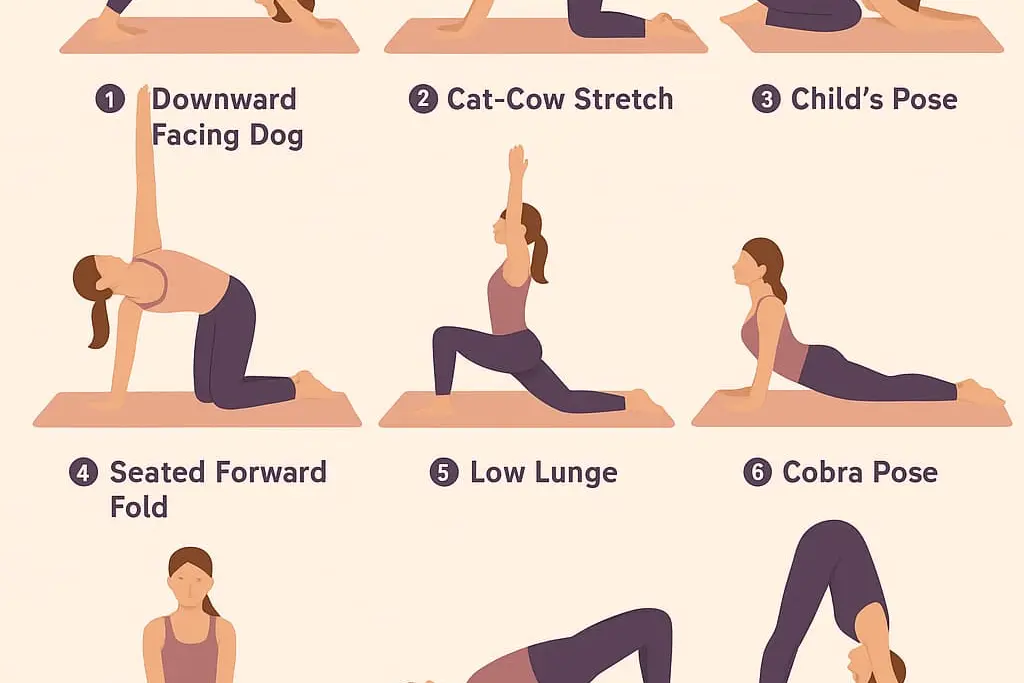
1. Downward-Facing Dog (Adho Mukha Svanasana)
Targets: hamstrings, calves, shoulders, spine
How it helps: This full-body stretch elongates the spine, opens the shoulders, and stretches the back of the legs.
Tip: Bend your knees slightly if your hamstrings are tight. Focus on lengthening your spine rather than having straight legs.
2. Seated Forward Fold (Paschimottanasana)
Targets: hamstrings, calves, lower back
How it helps: Encourages deep release in the back body and promotes relaxation.
Tip: Use a yoga strap or towel around your feet to help you hinge forward without straining.
3. Cat-Cow Pose (Marjaryasana-Bitilasana)
Targets: spine, neck, shoulders
How it helps: Increases spinal flexibility and mobility while warming up the entire back.
Tip: Coordinate movement with breath—inhaling for Cow, exhaling for Cat.
4. Low Lunge (Anjaneyasana)
Targets: hip flexors, quadriceps
How it helps: Counteracts tight hips from sitting and improves lower body mobility.
Tip: Keep your front knee above the ankle, and use blocks if needed to support your hands.
5. Child’s Pose (Balasana)
Targets: hips, lower back, knees
How it helps: A gentle, restorative pose that stretches the hips and spine while promoting relaxation.
Tip: Spread your knees wide and rest your forehead on a cushion for added support.
How Often Should You Practice Yoga to Increase Flexibility?
Consistency is key. For beginners, aim for:
- 3–4 sessions per week of 20–30 minutes
- Daily short stretching routines (5–10 minutes) to reinforce flexibility gains
- Combine yoga with hydration, good posture, and massage for faster results
Remember, every body is different. Flexibility improvements depend on your starting point, age, activity level, and genetics. Avoid comparing your progress to others—celebrate your own milestones.
Tips for Beginners Working on Flexibility
1. Don’t Force the Stretch
You should feel a stretch, not pain. Overstretching can lead to injuries. Use props like blocks and straps to support your practice.
2. Use Breath to Deepen Poses
Breathing deeply and slowly helps muscles relax, making it easier to go deeper into poses over time. Try exhaling as you sink further into a stretch.
3. Warm Up First
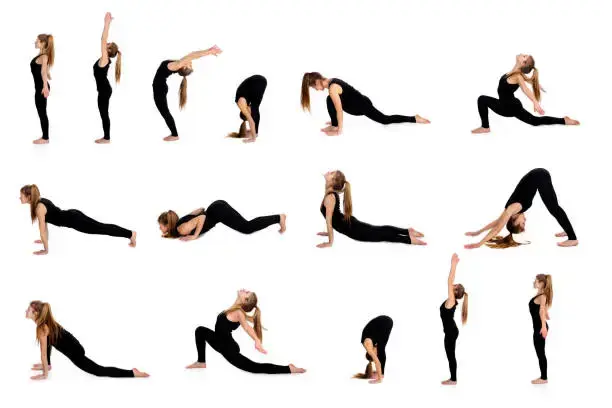
Never jump into deep stretches with cold muscles. Start with gentle movements like Cat-Cow or Sun Salutations to warm up your body.
4. Be Patient and Kind to Yourself
Flexibility is a journey, not a destination. Every time you step on your mat, you’re making progress—even if it’s not visible right away.
The Mind-Body Connection
One of the most powerful benefits of yoga is its ability to calm the mind while stretching the body. Flexibility isn’t just physical—it’s also mental and emotional. As you breathe through discomfort and stillness, you’re training your nervous system to stay calm and focused.
Many people find that as their body becomes more flexible, so does their mindset. You’ll start to move through life with greater ease, patience, and resilience.
Sample Beginner Yoga Routine for Flexibility
Here’s a 15-minute daily routine you can do at home:
- Cat-Cow Pose – 1 minute
- Downward-Facing Dog – 1 minute
- Low Lunge (both sides) – 2 minutes
- Seated Forward Fold – 2 minutes
- Butterfly Stretch (Baddha Konasana) – 2 minutes
- Reclining Spinal Twist – 2 minutes
- Child’s Pose – 2 minutes
- Savasana (Corpse Pose) – 3 minutes
This simple sequence targets the whole body and promotes flexibility, relaxation, and mindfulness.
Final Thoughts: Your Flexibility Journey Starts Now
Yoga is not about touching your toes—it’s about what you learn on the way down. Improving flexibility through yoga isn’t just about achieving deeper splits or backbends; it’s about feeling better, moving better, and living more fully in your body.
If you’re ready to feel more freedom in your movement, fewer aches and pains, and a deeper connection to yourself, start your yoga journey today. Even just a few minutes a day can make a world of difference.
Ready to Begin?
Try a gentle Yoga for Flexibility class on YouTube, join a beginner class at your local studio, or roll out a mat at home and follow this guide. Your body—and your mind—will thank you.
If you enjoyed this guide, share it with a friend or bookmark it for your yoga journey. Namaste!
Keywords: yoga for flexibility, beginner yoga poses, how yoga improves flexibility, yoga stretches for beginners, benefits of yoga for flexibility, flexibility exercises, improve flexibility with yoga, yoga routine for beginners, gentle yoga for beginners, progressive yoga stretches, yoga for fascia release, connective tissue and yoga, beginner downward dog, yoga for hamstrings flexibility, seated forward fold for beginners, yoga to release tight hamstrings, cat cow yoga sequence, spine mobility yoga, best yoga poses for tight muscles, beginner yoga flexibility program, improve flexibility at home with yoga, yoga for core strength and flexibility, strength-building yoga poses, daily yoga for flexibility, short yoga routine, home yoga sequence for beginners, mental flexibility yoga, emotional benefits of yoga, yoga for mindfulness, yoga breathing for flexibility, warm-up yoga for beginners, yoga progress tips, how often to do yoga for flexibility, yoga schedule for beginners, relaxing yoga poses, beginner yoga for back tension, yoga for tight hips, low lunge for hip flexibility.
Want a printable sequence?
Get one short practice each Sunday — no spam, cancel anytime.
Join the YogaMag newsletterFrequently Asked Questions
Popular posts
- 🧘♂️ 10 Best Free Meditation Apps to Reduce Stress and Anxi...
- 20 notable yogis and spiritual practitioners who lived more...
- Yoga Poses for Flexibility and Strength: Build a Balanced, S...
- Tantra Yoga for Beginners - A Complete Guide
- Beginner Yoga Poses with Pictures and Benefits: A Complete G...
- Easy Starting Yoga Poses for Daily Routine: Beginner-Friendl...
Related posts



No comments yet. Be the first to comment!